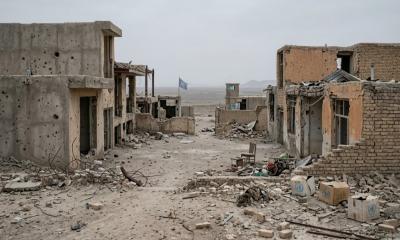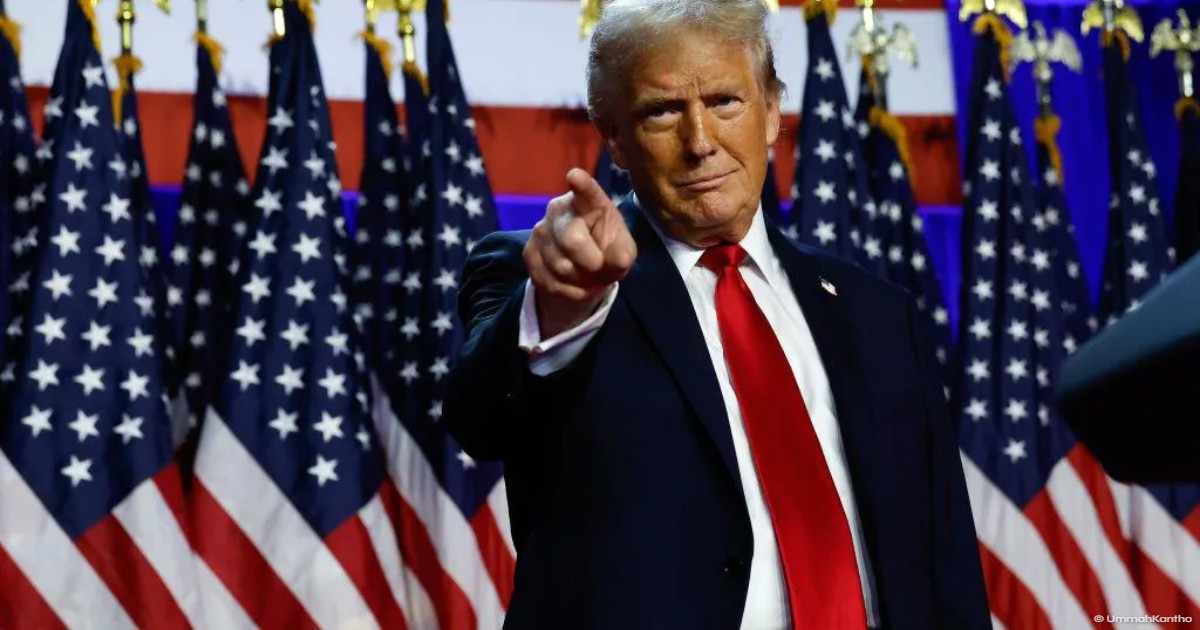
The American economic landscape currently presents a striking paradox as the nation moves toward the 2026 midterm elections. While official figures released this week show the economy grew by an annualized rate of 2% in the first quarter, the underlying reality for millions of voters is defined by the spiraling costs of living. The ongoing conflict between the United States and Iran, now entering its third month, has triggered an energy shock reminiscent of the 1970s, putting immense pressure on President Donald Trump’s administration.
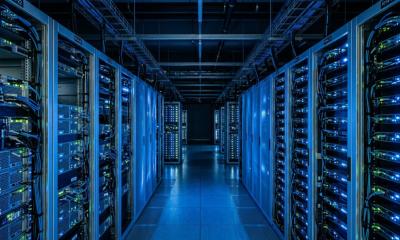
Despite the shadow of war, the GDP figures offered a surprising boost to the White House. This growth follows a notable slowdown at the end of 2025 and comes in the face of aggressive tariffs and geopolitical instability. However, economists are quick to point out that this "motoring" economy is not being driven by traditional consumer spending. Instead, it is the massive capital flight into artificial intelligence and high-tech infrastructure by Silicon Valley giants that is keeping the numbers in the green. James Knightley, chief international economist at ING, noted that while consumer consumption grew by only 1.6%, tech-linked investment has become the primary engine of American growth.
The political stakes of these numbers cannot be overstated. Trump has already begun using the 2% growth figure to validate his economic doctrine, but the average voter is focused on a different set of numbers: the price of a gallon of gas and the cost of groceries. The conflict in the Middle East led to the closure of the Strait of Hormuz, a critical artery for global oil. Consequently, Brent crude spiked to a four-year high of $126 per barrel before retreating slightly to $111. Before the war began in late February, oil was trading at approximately $73. This nearly 50% increase has trickled down into every sector of the domestic economy.
For the Republican party, the old adage "it`s the economy, stupid" remains the guiding principle for the upcoming November elections. While the macro-level data suggests resilience, the micro-level experience of the American public is one of frustration. High fuel prices are historically a major deterrent for incumbent parties, and if the war in Iran continues without a clear resolution, the inflationary pressure could negate any political goodwill generated by the GDP report. The administration is essentially racing against time to stabilize energy markets before voters head to the polls.
As it stands, the US economy is walking a tightrope. The surge in AI investment provides a structural floor that prevents a total recession, yet it does little to alleviate the immediate pain of inflation for the working class. With no sign of the war ending and the global energy market remaining volatile, the next few months will determine if Trump’s 2% growth is a genuine success story or merely a statistical outlier in a year of mounting crisis. The disconnect between boardroom prosperity and kitchen-table reality remains the most significant hurdle for the current administration.