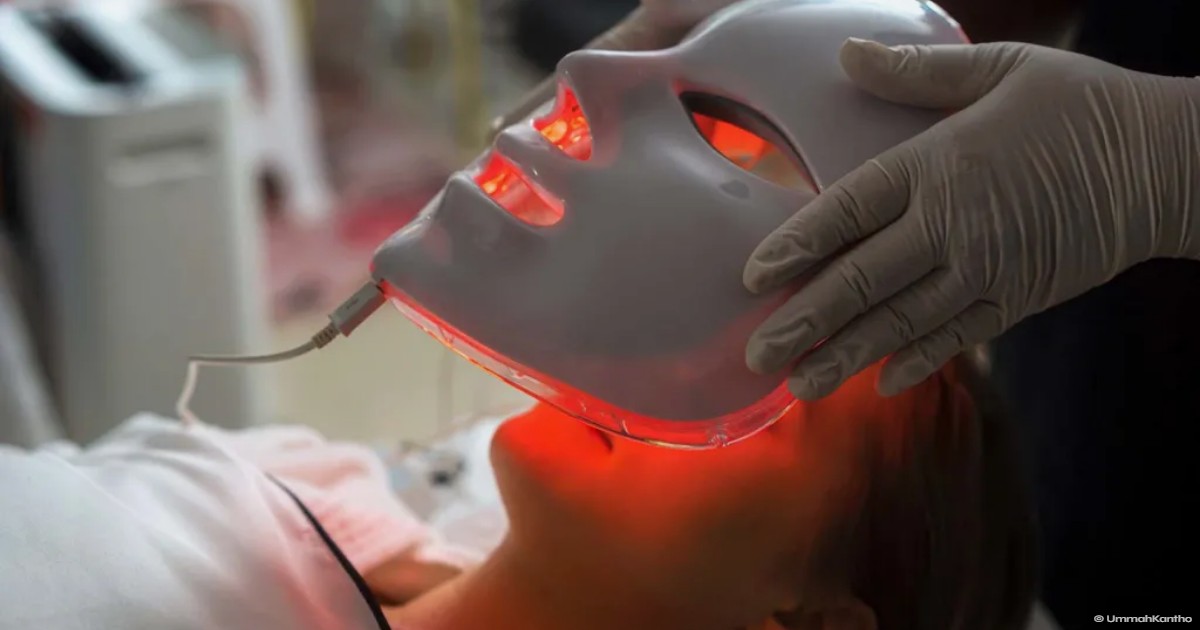
Stepping into the serene, crimson-hued atmosphere of a wellness suite in Manchester feels less like a medical appointment and more like a scene from a high-budget science fiction film. The centerpiece of this experience at Thriyv is a red light therapy bed, a device that, at first glance, bears a striking resemblance to the tanning beds that were popular decades ago. However, the purpose of this technology is fundamentally different. Instead of damaging the skin to achieve a temporary aesthetic change, red light therapy is designed to penetrate the cellular level to trigger repair and regeneration. Dr. Cal Shields, an expert in the field, emphasizes that the goal is not to "fry" the cells but to provide them with the energy they need to heal. A session lasting just fifteen minutes is often enough to stimulate these biological processes.
The wellness industry has undergone a radical transformation over the past year, turning increasingly toward light-based therapies. The promises are grand: younger-looking skin, improved muscle recovery, enhanced mood, and even longevity. This has led to a market flooded with consumer products ranging from wearable LED masks and therapy mats to specialized sauna sleeping bags. While the aesthetic appeal of these devices is undeniable, the question remains whether the warm scarlet glow provides tangible health benefits or if it is simply a well-marketed trend. Understanding the mechanism behind red light therapy requires a dive into the physics of light and its interaction with human biology.
Red light therapy works by utilizing specific wavelengths of light, typically measured in nanometers. Visible red light falls between 630 and 660 nanometers, while near-infrared light, which is invisible to the human eye, uses longer wavelengths. The principle is straightforward: the longer the wavelength, the deeper the light can penetrate the body’s tissues. While shorter wavelengths are effective for treating superficial skin conditions like acne or fine lines, longer wavelengths reach the muscle tissues and bones, aiding in systemic recovery and inflammation reduction. These light particles, or photons, act as a stimulus for the mitochondria, the energy-producing centers of our cells.
According to research from the Cleveland Clinic, the primary benefit of this stimulation is an increase in the production of adenosine triphosphate (ATP). ATP is the molecular currency of energy within the body. When cells have more energy, they can perform their natural repair functions more efficiently. This cellular boost is what many athletes and individuals recovering from injuries are seeking. A prime example is Kate McLelland, a 32-year-old fitness enthusiast who turned to red light therapy after a severe neck injury sustained during CrossFit training. By combining traditional physiotherapy with regular red light sessions, she experienced a recovery speed that allowed her to return to competitive training far sooner than expected.
The origins of this technology are deeply rooted in space exploration. In the 1990s, NASA began researching light-emitting diodes (LEDs) as a way to grow plants in space. During these experiments, researchers noticed that the intense red light also seemed to promote the healing of minor skin abrasions on the hands of the scientists. This led to further investigations into how LED light could counteract the muscle and bone atrophy experienced by astronauts in zero-gravity environments. Today, what was once a specialized tool for space missions has become a cornerstone of the global biohacking movement. The transition from clinical research to household availability has been rapid, driven by a growing public interest in non-invasive health solutions.
Despite the enthusiasm, the medical community maintains a level of cautious optimism. While red light therapy is generally considered safe, the efficacy of home-use devices can vary significantly depending on their irradiance or light intensity. Professional-grade equipment found in clinics provides a concentrated dose of light that most consumer-grade masks cannot replicate. Dermatologists often point out that while a home mask might help with skin radiance, it is unlikely to provide the deep-tissue benefits of a full-body bed. Furthermore, the timing and consistency of the treatment are crucial. Scientific studies suggest a "biphasic dose-response," meaning that too little light has no effect, while too much can actually hinder the healing process.
The scope of red light therapy is expanding beyond physical health and into the realm of mental well-being and neurology. Emerging studies are looking into whether specific light frequencies can help manage seasonal affective disorder (SAD) or even mitigate the symptoms of neurodegenerative diseases like Alzheimer’s. While these applications are still in the experimental stages, the potential for light to influence brain chemistry is a major focus of current medical research. The psychological aspect of sitting in a warm, red environment also cannot be ignored; many users report a significant reduction in stress and a sense of meditative calm following a session.
As we look toward the future of the wellness industry, red light therapy appears to be more than a passing phase. It represents a shift in how we perceive healthcare—moving away from reactive medicine and toward proactive cellular maintenance. The surge in "red light lounges" in major metropolitan areas suggests that this technology is becoming a standard part of the urban self-care routine. Whether it is a busy professional seeking a quick energy boost during a lunch break or an aging individual looking to maintain skin elasticity, the appeal of a fifteen-minute light bath is universal. As long as the science continues to back its benefits, the scarlet glow of red light therapy is likely to remain a permanent fixture in the modern health landscape. For the people of the world seeking a balance between technological advancement and biological health, this crimson light offers a promising path forward.