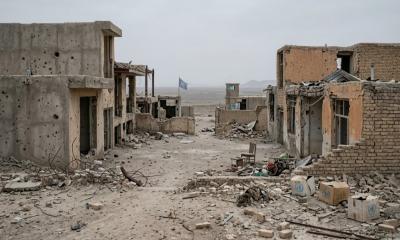
Iran has been plunged into a state of digital darkness following a near-total internet blackout that began on February 28, 2026. This disruption, triggered shortly after joint U.S. and Israeli airstrikes targeted military and government infrastructure, has become one of the longest state-enforced shutdowns ever recorded globally. Yet, in the shadows of this blackout, a clandestine network is operating a high-stakes smuggling operation to bring satellite internet technology into the country.
At the heart of this resistance are individuals like Sahand, an Iranian man currently operating outside the country. Speaking to news outlets with visible anxiety, Sahand described a complex operation designed to sneak Starlink terminals across heavily guarded borders. For Sahand and his colleagues, this is not just about technology; it is about providing a lifeline to a population silenced by its own government. He noted that even if a single terminal helps one extra person reach the outside world, the immense risk is worth the effort.
The context of this digital siege is rooted in a broader human rights crisis. According to data from the Human Rights Activists News Agency (HRANA), over 6,500 protesters were killed and more than 53,000 arrested during a brutal crackdown on nationwide demonstrations earlier this year. The Iranian authorities have historically utilized internet shutdowns as a tool to obscure the scale of state violence and prevent the documentation of human rights abuses. By cutting off access to platforms like Instagram, Telegram, and WhatsApp, the regime aims to control the narrative both domestically and internationally.
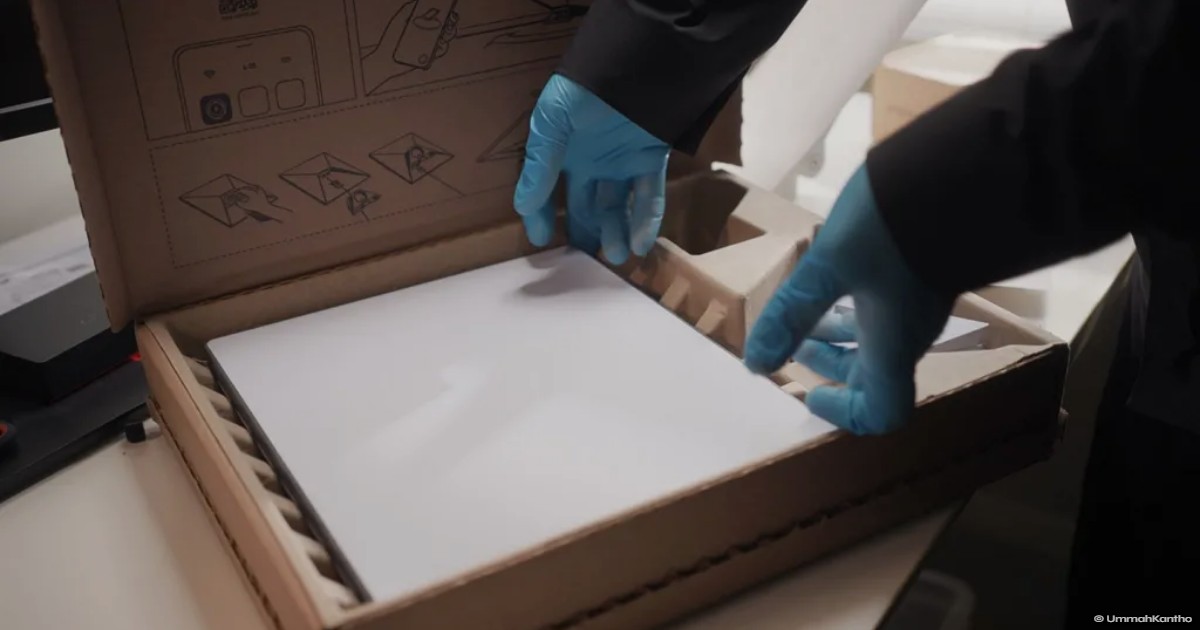
Starlink, owned by Elon Musk’s SpaceX, has emerged as the most reliable way to bypass these restrictions. The white, flat terminals connect directly to a low-earth orbit satellite constellation, entirely circumventing Iran’s state-controlled gateways. Sahand revealed that he has successfully sent a dozen terminals into Iran since January, utilizing "very complex" routes to avoid detection. However, the costs are high. In 2025, the Iranian government passed legislation making the possession or sale of Starlink devices punishable by up to two years in prison. For those caught importing more than ten devices, the sentence can jump to ten years.
The Iranian internet system is often described as a "tiered" or "whitelist" model. While the general public remains disconnected or restricted to a domestic network—where only state-approved banking and media services function—a privileged class of officials and state-aligned journalists enjoy unfettered access. These individuals utilize what are known as "white SIM cards," exposing a deep digital divide between the ruling establishment and the citizens they govern.
Despite the threat of imprisonment or worse, the demand for Starlink continues to grow. Activists estimate that there are now over 50,000 terminals operating within Iran, though the real number may be significantly higher. These devices were instrumental during the January protests, allowing footage of extrajudicial killings and mass arrests to trickle out to international monitors. Without this technology, the world might remain entirely blind to the events unfolding on the streets of Tehran and Mashhad.
The smuggling network often relies on encrypted platforms like Telegram to facilitate sales and distribution. One channel, NasNet, reportedly sold approximately 5,000 terminals over the past two years. To stay ahead of state surveillance, users are advised to combine Starlink with high-end VPNs to remain incognito. However, for many Iranians struggling with a collapsing economy and skyrocketing inflation, the initial cost of the hardware and the ongoing subscription fees remain a significant barrier.
As the blackout enters its second consecutive month, the tension between state control and technological defiance reaches a breaking point. The smugglers know they are being hunted. State media has already reported the arrests of several individuals accused of "possessing illegal weapons and sending information to the enemy" alongside their Starlink kits. Nevertheless, as long as the digital darkness persists, the clandestine shipments of white satellite dishes will remain a vital symbol of resistance for the people of Iran.