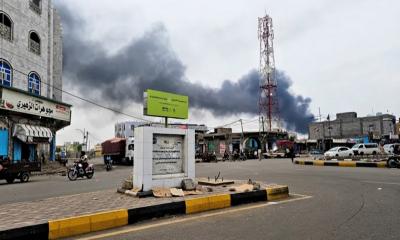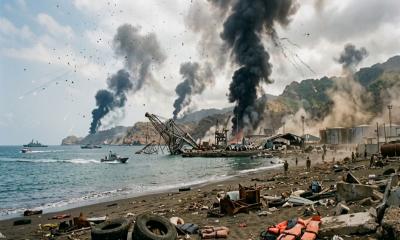
The world is standing on the precipice of an unprecedented hunger catastrophe, according to a dire warning from the United Nations. The military aggression against Iran led by Israel and the United States has transcended regional boundaries and is now threatening the global digestive system. The closure of the Strait of Hormuz, a critical maritime artery, has effectively paralyzed the global fertilizer supply chain. With shipments grounded, experts predict a staggering 30 percent decline in global crop yields, a figure that could trigger widespread famine across multiple continents by early 2027.
The Strait of Hormuz is widely recognized as a chokepoint for crude oil, but its role in the fertilizer industry is equally vital. It serves as a primary route for the raw materials required for synthetic fertilizers and the distribution of finished products from major Middle Eastern producers. Since the escalation of hostilities, commercial shipping through the strait has come to a near-complete halt. This disruption has sent fertilizer prices soaring to levels that are unsustainable for the majority of the world`s farmers, creating a deficit that currently has no viable alternative source.
Maximo Torero, the Chief Economist of the UN Food and Agriculture Organization (FAO), expressed his alarm during a briefing with Al Jazeera. He emphasized that the global community is engaged in a losing race against the agricultural calendar. Farming is inherently tied to the seasons; once a planting window is missed, it cannot be recovered. In several Asian countries, the primary seeding seasons have already passed without adequate fertilizer application. Farmers are facing a grim choice: plant crops that will inevitably fail or leave their fields fallow, both of which lead to a massive reduction in the global food supply.
The impact of this crisis is forcing a radical shift in agricultural strategies among the world’s leading exporters, including the United States and Brazil. To cope with the nitrogen fertilizer shortage, these nations are moving away from nitrogen-heavy crops like wheat and corn. Instead, large-scale industrial farms are shifting toward soybeans, a legume capable of fixing its own nitrogen from the atmosphere. While this is a logical survival strategy for individual farms, the macro-consequences are devastating. A global reduction in wheat and corn production will lead to immediate price spikes for bread, livestock feed, and basic staples, hitting the world’s poorest populations the hardest.
Adding to the complexity is the volatile price of crude oil. Synthetic fertilizer production is an energy-intensive process, primarily utilizing natural gas. With energy costs skyrocketing due to the conflict, the cost of manufacturing fertilizer has doubled in some regions. This economic pressure is driving some farmers toward the production of biofuels rather than food crops. This creates a tragic paradox: while millions face the prospect of starvation, fertile land is being used to grow fuel for machinery in wealthier nations. Torero warned that the price of wheat and soybeans is already on an upward trajectory, with a massive inflationary surge expected in the second half of 2026.
By 2027, the world could see a level of food inflation that surpasses any historical precedent. The food we consume is not just a raw commodity; its final price reflects the costs of processing, packaging, and high-stakes transportation. With the Strait of Hormuz closed, shipping costs have multiplied, and the added expense will be passed directly to the consumer. For low-income nations, this translates to social and political instability, as the cost of a basic meal moves beyond the reach of the average citizen.
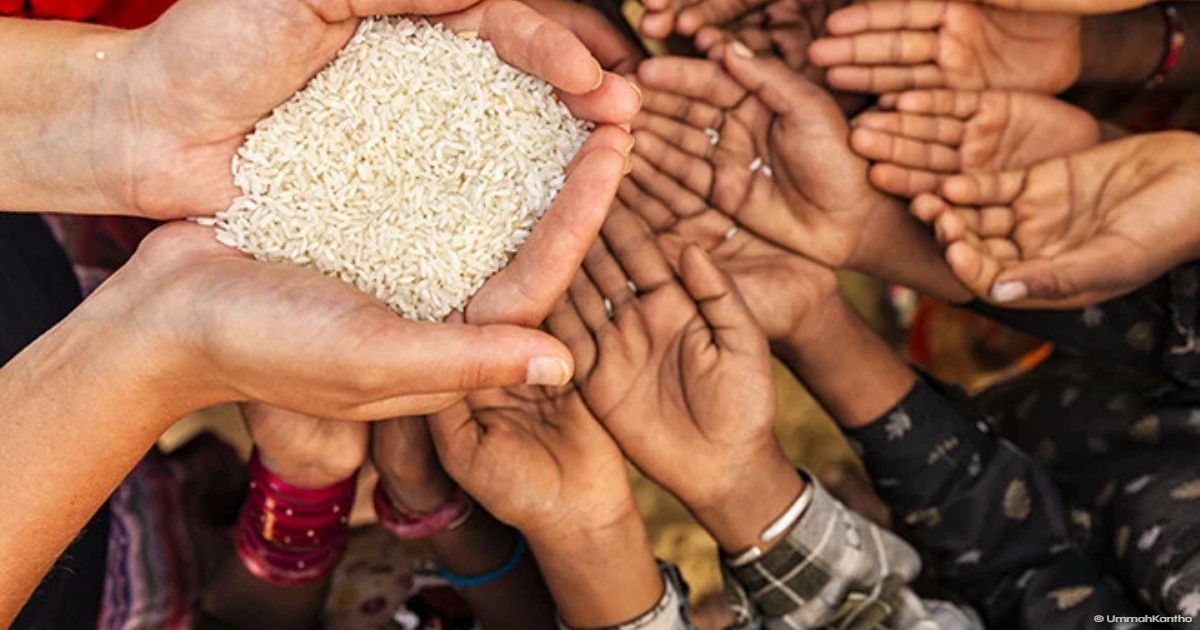
South Asia and Africa are particularly vulnerable to this looming disaster. Countries like Bangladesh, which depend heavily on intensive fertilization to maintain rice yields for their dense populations, face a direct threat to their national security. A 30 percent drop in domestic production would force these nations to import food at exorbitant prices, draining their foreign reserves and potentially leading to a total economic collapse. The humanitarian dimension of this crisis cannot be overstated; we are looking at a scenario where the lack of fertilizer becomes as lethal as a frontline missile.
The UN’s message is clear: the clock is ticking, and every day the blockade remains in place, the closer we move toward a global catastrophe. The closure of the Strait of Hormuz is not just a tactical military maneuver; it is a chokehold on the survival of billions. Unless international leaders prioritize a diplomatic resolution that keeps agricultural supply lines open, the death toll from the resulting famine could far exceed the casualties of the military conflict itself.
Ultimately, the dark clouds of this global disaster are only thickening. The combined impact of high fertilizer costs, reduced yields, and the crop shifts of major exporters is leading the world into a precarious future. This UN warning is a desperate call for immediate action on global food security. 2027 risks becoming one of the most tragic years in human history—a year where, amidst global technological advancement, millions perish simply because the politics of war were prioritized over the necessity of bread. The agricultural cycle waits for no one, and once the chain of production is broken, the struggle to restore it will be a long and agonizing journey