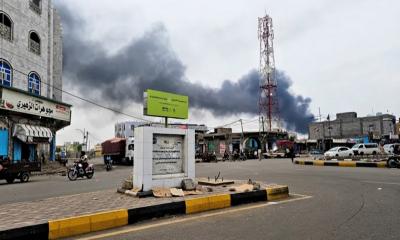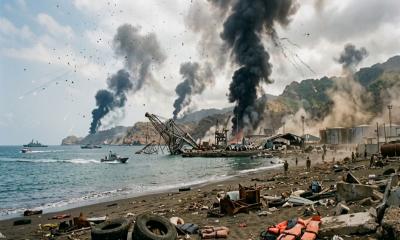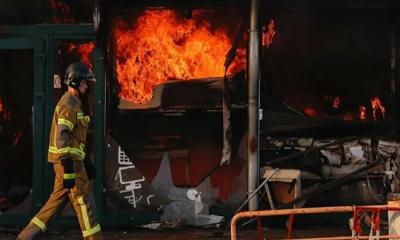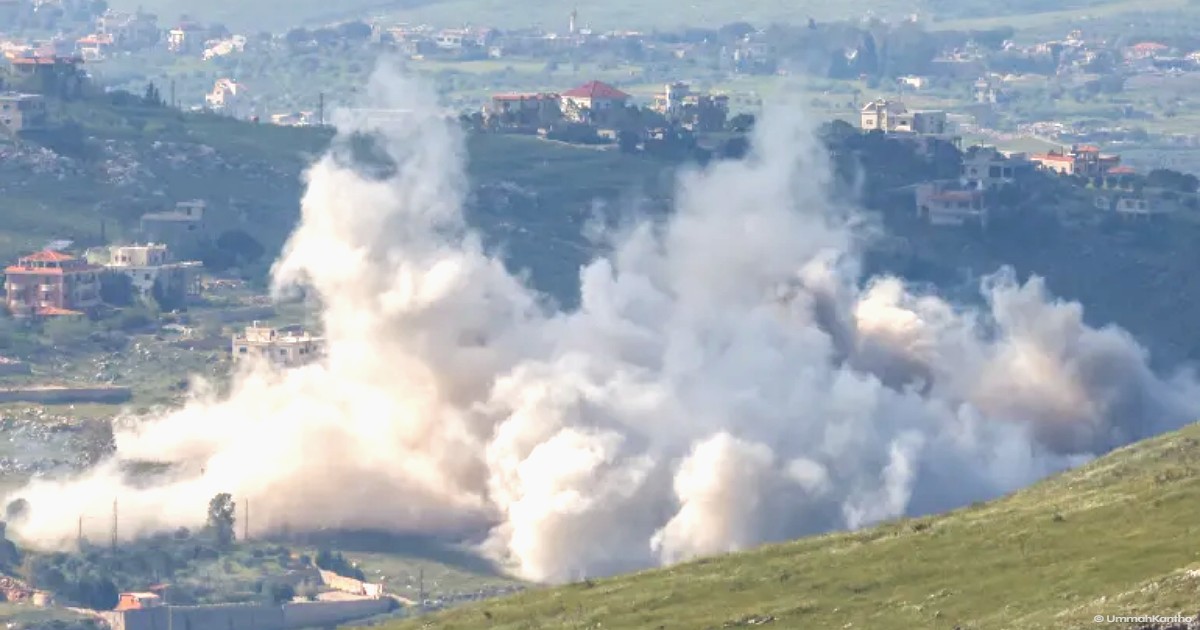
Israeli military operations in southern Lebanon have resulted in the deaths of at least 14 people on Thursday, April 30, 2026, marking a significant escalation in hostilities despite the ongoing United States-mediated ceasefire. Reports from Lebanon’s National News Agency (NNA) indicate that the strikes targeted several municipalities, leveling residential buildings and causing widespread civilian casualties. The recent surge in violence has called into question the stability of the fragile truce, with the Lebanese government formally accusing Israel of systematic violations of the agreed-upon cessation of hostilities.
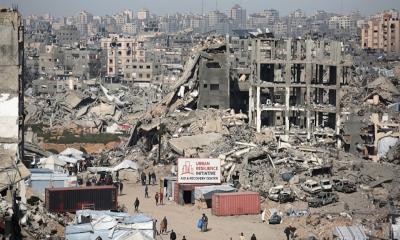
The most lethal incident occurred in the municipality of Jebchit, where an Israeli airstrike destroyed a multi-story residential building. Local authorities confirmed that three people were killed and seven others wounded in the blast. Nearby, in the town of Toul, a separate attack wiped out an entire family, including a young child, claiming four lives in total. A subsequent strike in the same area later on Thursday killed one more individual and left two others with severe injuries. The repeated targeting of specific neighborhoods suggests an intensification of the Israeli air campaign in the southern border regions.
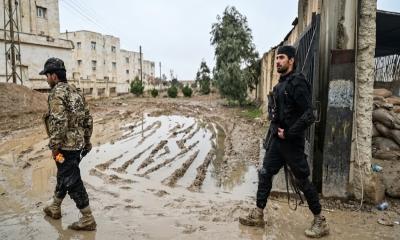
Further casualties were reported in Harouf, where two people were killed as their home was demolished by Israeli missiles. Beyond the airstrikes, Israeli artillery units have been active in towns such as Zawtar al-Sharqiyah, Yohmor al-Shaqif, and Bayt al-Sayyad. The sheer scale of the bombardment over the last 24 hours has been devastating; more than 20 people have died in total across various sectors of southern Lebanon. This death toll includes at least two Lebanese army soldiers and three paramedics who were reportedly targeted while performing emergency rescue duties.
The targeting of medical personnel has drawn sharp condemnation from the Lebanese Prime Minister, who termed the actions as "war crimes." The Lebanese Ministry of Health reported that more than 70 people, many of them children, have been injured in the latest wave of attacks. Human rights observers have noted that the destruction of residential infrastructure is creating a massive humanitarian vacuum, as displaced families find themselves with fewer places to seek shelter. The incident comes amid reports that Hezbollah has been testing Israeli radar systems with advanced drones, though the majority of the confirmed casualties on Thursday were non-combatants.
What this really means is that the diplomatic efforts led by the United States are currently failing to hold on the ground. While the ceasefire was intended to provide a window for long-term negotiations, the continuous military pressure from the Israeli side is pushing Lebanon toward a total collapse of the diplomatic process. According to international analysts, the systematic demolition of homes in towns like Bint Jbeil appears to be part of a broader strategy to create a depopulated "buffer zone," regardless of the ceasefire’s legal standing. The picture remains incomplete regarding the full extent of the damage in remote villages where communications remain severed.
The humanitarian situation is deteriorating rapidly as winter conditions persist. With paramedics under fire and residential areas being turned into active combat zones, the ability of international aid agencies to operate in southern Lebanon is being severely restricted. The United States has yet to issue a definitive statement on the recent violations, but the growing death toll is putting immense pressure on regional stakeholders to intervene. As the conflict drags into late April 2026, the prospect of a lasting peace seems further away than ever, with the residents of southern Lebanon caught in the crossfire of an unyielding regional struggle.