Europe remains the premier summer destination for travelers worldwide, but the landscape for 2026 has become increasingly complex. Between the ongoing challenges of overtourism and significantly higher airfares, travelers are facing new economic pressures. A critical factor this season is the impact of the Middle East conflict, specifically the Iran war, which has driven up global fuel costs and, consequently, travel expenses. Additionally, the implementation of the new EES system is contributing to long queues at major European hubs. Data shows that July flights from the United States to traditional hotspots like Paris, Rome, and Dublin have dropped by over 11% compared to last year, as reported by BBC Travel.
Despite these hurdles, the desire for European experiences remains strong. However, travelers are becoming far more selective, prioritizing value and ease of movement over name recognition. According to Rome2Rio’s 2026 Travel & Mobility Trends Report, searches for smaller, less-known cities have surged by 35% globally. The European Travel Commission has also noted a marked increase in interest for "depth over distance," where tourists prefer to immerse themselves in one region rather than attempting whirlwind multi-country tours that maximize transit costs and fatigue.
The current shift favors countries that offer the "classic European feeling" without the associated crowds and high costs. Bryce Collins, founder of INTRO Travel, points out that destinations like Croatia’s Korčula serve as an excellent alternative to the now-overwhelmed Dubrovnik. Korčula provides the same Venetian-inspired architecture and stunning Adriatic coastline but at a significantly slower pace. This trend of seeking quieter, more authentic local experiences is defining the 2026 summer season, as people look for familiar aesthetics without the hectic atmosphere of major capitals.
Affordability remains a major driver for this change. While Western European heavyweights continue to see price increases, Eastern and Central European nations maintain competitive rates. Data from PriceLabs indicates that average short-term rentals in Albania, Latvia, and Lithuania still often fall below €100 ($107) per night. These regions also offer lower costs for dining, museum entries, and local transportation. Bryan Lewis, CEO of Tenon Tours, noted that travelers are moving away from multi-stop trips and toward itineraries that minimize transit time, allowing for a more immersive and cost-effective vacation.
Slovenia has emerged as perhaps the standout example of value-driven travel this summer. Despite its compact size, it offers a diverse range of experiences—from alpine lakes to Mediterranean-style river towns. Travel experts emphasize that Slovenia’s scenery rivals that of Switzerland or Northern Italy but at a fraction of the cost. The Unforgettable Travel Company reported a 286% year-on-year rise in bookings to the country. Slovenia is currently estimated to be 15% more affordable than Austria and 25% more affordable than Switzerland, making it an ideal choice for families seeking safety and accessibility.
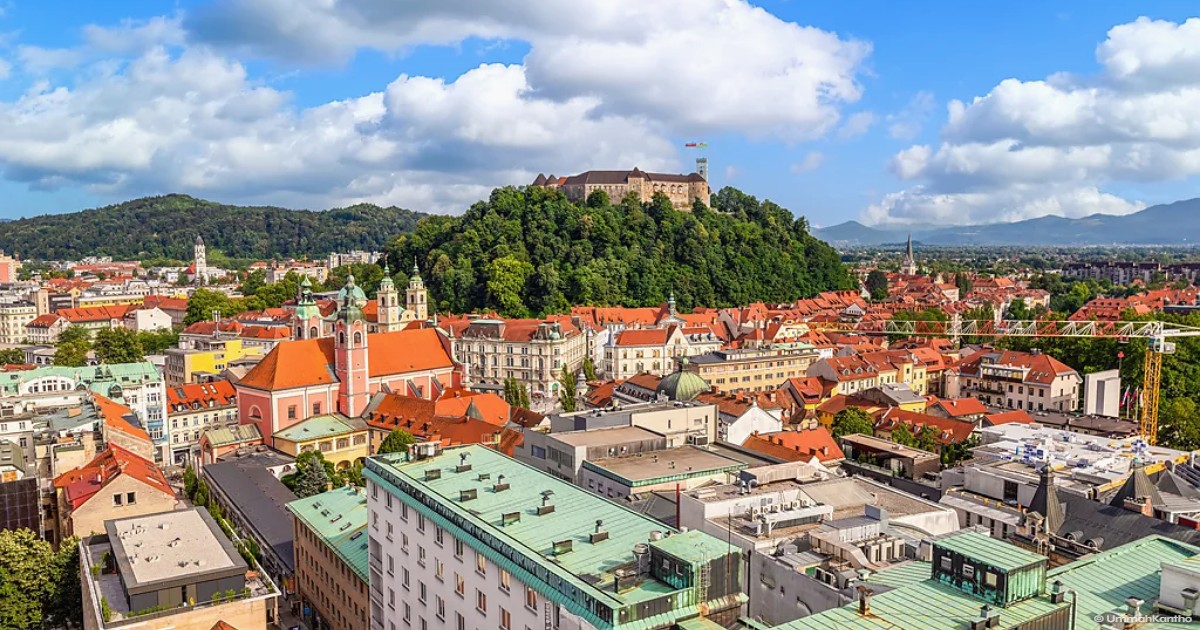
The capital, Ljubljana, is being highlighted as a peaceful alternative to Venice, characterized by its river-lined old town and vibrant cafe culture. For those seeking nature, the alpine serenity of Lake Bohinj and the Soča Valley offers a quieter experience than Italy’s Lake Como. Monya Mandich, Vice President of Marketing at Rome2Rio, highlighted that Slovenia’s connectivity by bus and train to nearby hubs like Zagreb and Vienna makes it both accessible and affordable. For the savvy traveler of 2026, the key to a successful European summer lies in exploring these hidden gems that deliver high value without the high-season stress.