Friday, 24 Apr, 2026
Published: April 24, 2026, 12:33 AM
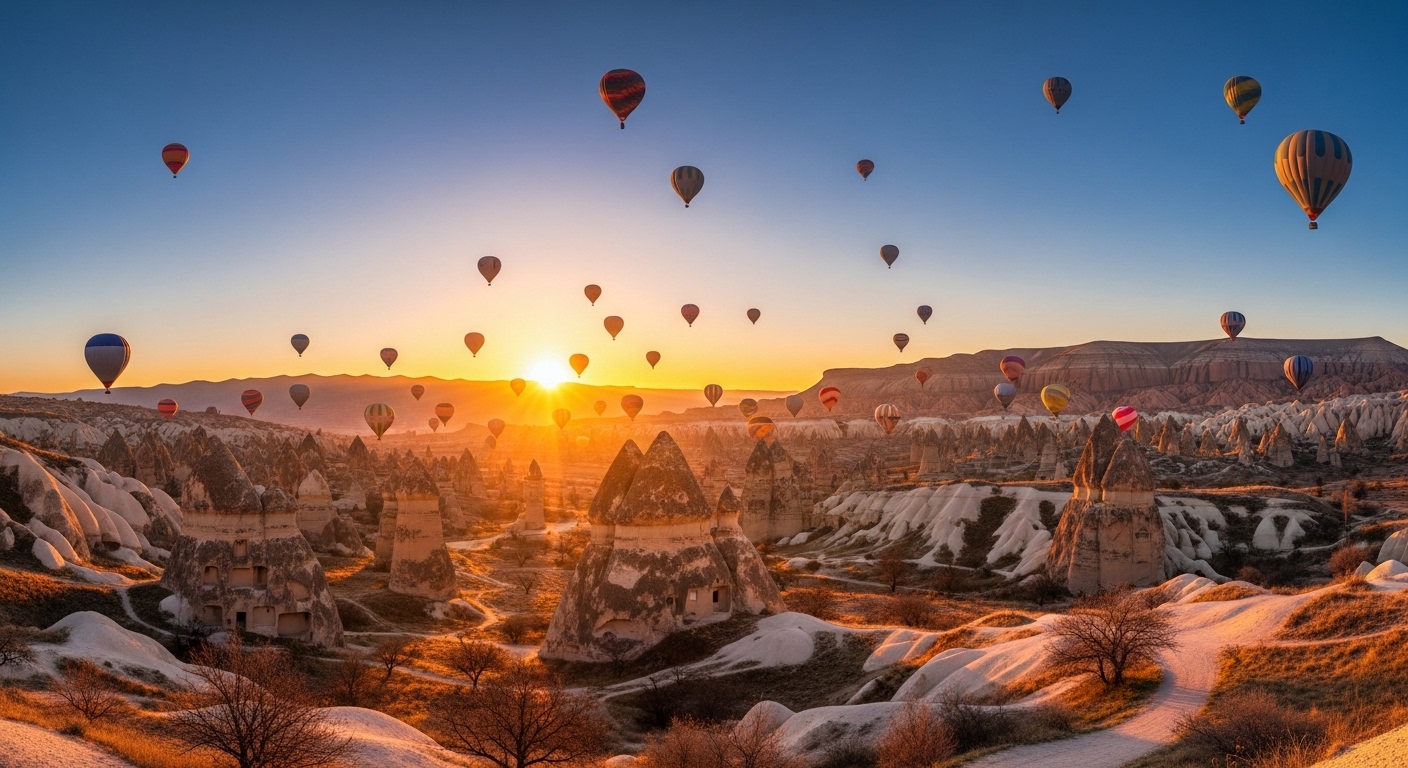
Nestled in the heart of central Anatolia, Cappadocia serves as a profound testament to the intersection of geological wonder and human perseverance. Historically recognized as a pivotal crossroads on the ancient Silk Road, this Turkish region continues to captivate millions of travelers from across the globe. According to a recent feature by Al Jazeera in their "Traces of Silk" series, Cappadocia is not merely a tourist destination but a living museum where the legacies of ancient trade routes and natural forces collide. Each year, nearly four million visitors descend upon this unique landscape to witness a history that spans millennia.
The Silk Road was once the world`s most significant artery for commerce and cultural exchange, stretching from the edges of China to the Mediterranean. Cappadocia, located strategically in the middle of Turkiye, provided a vital sanctuary for merchants navigating these arduous paths. Caravans laden with silk, spices, and exotic goods found refuge in the region’s unique cave dwellings and subterranean complexes. These structures, carved directly into the soft volcanic "tuff" rock, offered protection against both the harsh Anatolian climate and the threat of bandits. This historical footprint remains etched into the very stones of the region, visible in the labyrinthine underground cities that once housed thousands of people.
The surreal landscape of Cappadocia is the result of volcanic eruptions that occurred millions of years ago, covering the plateau with thick layers of ash. Over eons, wind and water erosion sculpted these deposits into the iconic conical shapes known today as "fairy chimneys." These geological formations are more than just a visual marvel; they were the foundation of a sophisticated troglodyte civilization. As highlighted by Al Jazeera, ancient inhabitants found the soft rock easy to hollow out, creating elaborate homes, stables, and even intricate churches with stunning frescoes. The Goreme Open Air Museum, a UNESCO World Heritage site, stands as a prime example of this architectural ingenuity, preserving religious art and monastic life from the Byzantine era.
For many modern travelers, the quintessential Cappadocia experience is defined by the sight of hundreds of hot air balloons drifting over the valleys at dawn. This activity has become a symbol of Turkish tourism, offering a bird’s-eye view of the rippling rock formations and hidden orchards below. Reports from Daily Sabah indicate that the tourism sector in Cappadocia has reached record-breaking numbers, serving as a vital economic engine for the region. The blend of adventure tourism and historical exploration has positioned Cappadocia as a top-tier global destination, balancing modern hospitality with the preservation of its ancient soul.
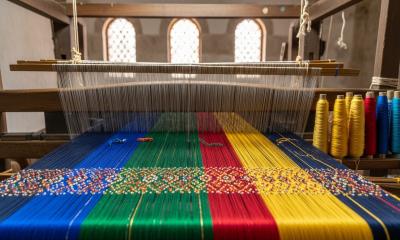
The legacy of the Silk Road is also preserved in the tangible traditions of the local people. Hand-woven carpets and intricate pottery remain central to Cappadocia’s cultural identity. These crafts were once the primary commodities traded by the merchants who stopped in the local caravanserais. Today, artisans continue to use techniques passed down through generations, ensuring that the spirit of the ancient trade route survives in every knot of a rug and every stroke on a ceramic plate. This continuity of culture is what distinguishes Cappadocia from other historical sites; it is a place where the past is not just remembered but actively lived.
The development of "cave hotels" has allowed visitors to immerse themselves in this history without sacrificing modern comforts. Staying in a room carved into the rock provides a direct connection to the way of life that defined this region for centuries. However, despite the influx of tourism, the essence of Cappadocia remains one of quiet resilience. The landscape tells a story of how humanity can adapt to and harmonize with even the most unusual environments. As Al Jazeera notes, understanding the history of Turkiye requires a deep dive into Cappadocia, for it represents the enduring link between East and West.
In conclusion, Cappadocia stands as a monumental reminder of the Silk Road’s impact on human civilization. It was a place where different languages, religions, and ideas met and mingled, creating a rich tapestry of cultural heritage. Whether through the lens of a camera during a sunrise balloon flight or the exploration of a deep underground city, the magic of Cappadocia lies in its ability to bridge the gap between the ancient and the contemporary. It remains a timeless crossroads where nature and history continue to inspire wonder in all who visit.
















Design & Developed by