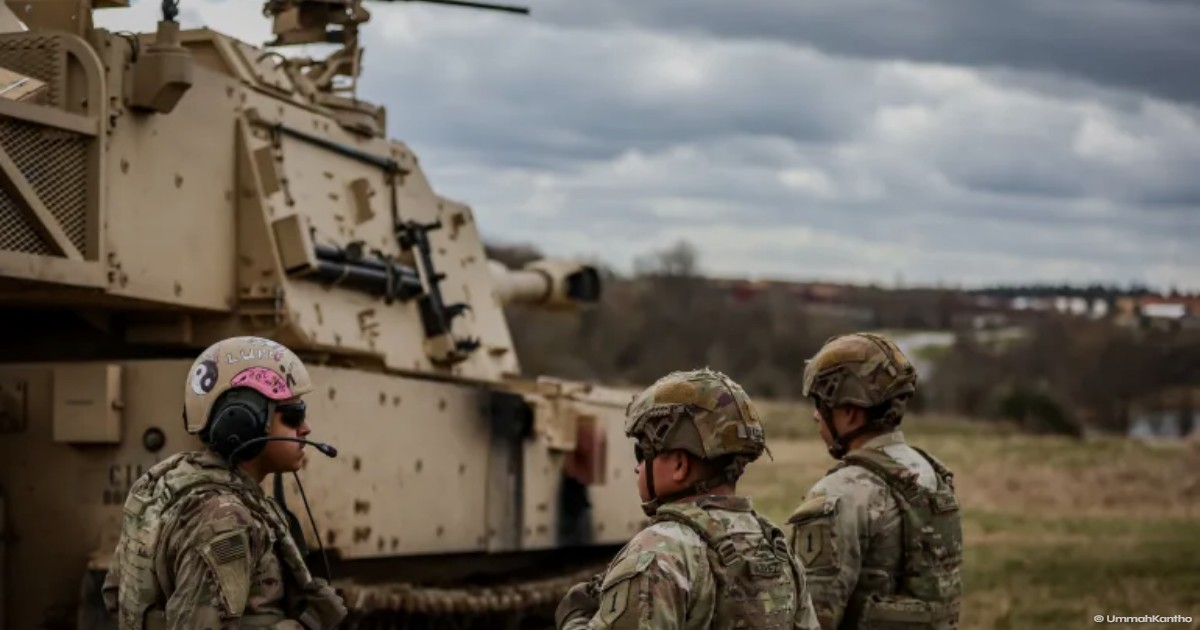
The North Atlantic Treaty Organization (NATO) says it is currently assessing the details of a significant United States decision to withdraw approximately 5,000 troops from Germany. This planned reduction in forces, confirmed by the Pentagon, comes amid escalating tensions between Washington and its European allies over the ongoing war against Iran and the broader issues of military burden-sharing.
In a statement released on Saturday, NATO spokesperson Allison Hart confirmed that the alliance is working closely with the US to "understand the details of their decision on force posture in Germany." According to the Pentagon’s timeline, the process of repositioning or bringing home these personnel is expected to take place over the next six to 12 months.
The move is widely seen as a direct consequence of the public friction between US President Donald Trump and German Chancellor Friedrich Merz. The rift intensified after Chancellor Merz recently suggested that the United States was being "humiliated" by the Iranian leadership during the current conflict. Trump responded with uncharacteristic sharp rhetoric, urging Merz to focus on "fixing his broken country" instead of criticizing US strategy. The president has repeatedly labeled NATO a "paper tiger" and expressed frustration that wealthy European nations are not doing enough to support the US-led war efforts in the Middle East.
Pentagon spokesperson Sean Parnell noted that this decision follows a "thorough review" of US force posture in Europe. While Germany currently hosts roughly 36,400 American troops—the largest US military presence on the continent—the withdrawal of 5,000 personnel represents a notable shift. Experts like former US diplomat Donald Jensen suggest this might signal a longer-term strategic pivot. Jensen told Al Jazeera that the reduction portends a "permanent change" in the European security architecture, suggesting that Washington may be shifting its focus toward China, which it considers a more significant long-term challenge.
The German government, however, has maintained a composed stance. Defense Minister Boris Pistorius stated that Berlin had anticipated a reduction in US forces and argued that Europeans must now take greater responsibility for their own collective defense. This follows the 2025 NATO summit in The Hague, where member states agreed to a revised defense spending target of 5% of their respective GDPs—a significant jump from the previous 2% floor. Germany has already pledged hundreds of billions of euros to modernize its Bundeswehr and infrastructure.
Despite the German government`s outward calm, the move has triggered concerns among defense analysts and opposition lawmakers in both Washington and Berlin. Critics argue that weakening the military footprint in Europe while regional instability persists could be viewed as a strategic win for adversaries like Russia. Within the US, some members of Congress have previously attempted to pass legislation to prevent the president from drastically reducing troop levels in Europe below certain thresholds, highlighting the deep domestic divide over Trump`s transactional foreign policy.
Germany remains home to vital American military infrastructure, including Ramstein Air Base and the Landstuhl Regional Medical Center. These installations serve as essential hubs for missions across Europe, Africa, and the Middle East. Whether the withdrawal of these 5,000 troops is a temporary maneuver or the beginning of a larger American exit remains unclear, but the shift undeniably signals a new, more uncertain chapter for the transatlantic alliance.