China has officially launched a sweeping zero-tariff policy for 53 African nations, effective Friday, May 1, 2026. This unilateral trade liberalization move covers nearly the entire continent, with the notable exception of Eswatini, formerly known as Swaziland. The exclusion of Eswatini is rooted in geopolitical tensions, as the country continues to maintain diplomatic ties with Taiwan rather than Beijing. This expansion of duty-free access marks a significant escalation in China`s economic engagement with Africa, aiming to reshape trade dynamics over the next two years.
Previously, as of December 2024, Beijing had implemented duty-free status for only 33 of Africa`s least-developed nations. The new policy, which is scheduled to remain in effect until April 30, 2028, positions China as the first major global economy to offer such comprehensive unilateral zero-tariff treatment to the continent. While Beijing frames the move as a generous economic partnership, international analysts view it as a strategic exercise in soft power designed to counter the trade influence of the United States.
Lauren Johnston, a senior research fellow at the AustChina Institute, noted that Beijing is intentionally positioning itself as a "trade liberalizer" in sharp contrast to the protectionist measures often seen in Western politics. This comes in the wake of the US imposing significant tariffs on several African nations last year. By removing these financial barriers, China is opening its massive domestic market to African exporters, particularly those in the agricultural sector, which could lead to increased rural incomes and poverty reduction across the continent.
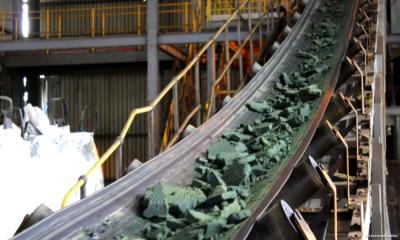
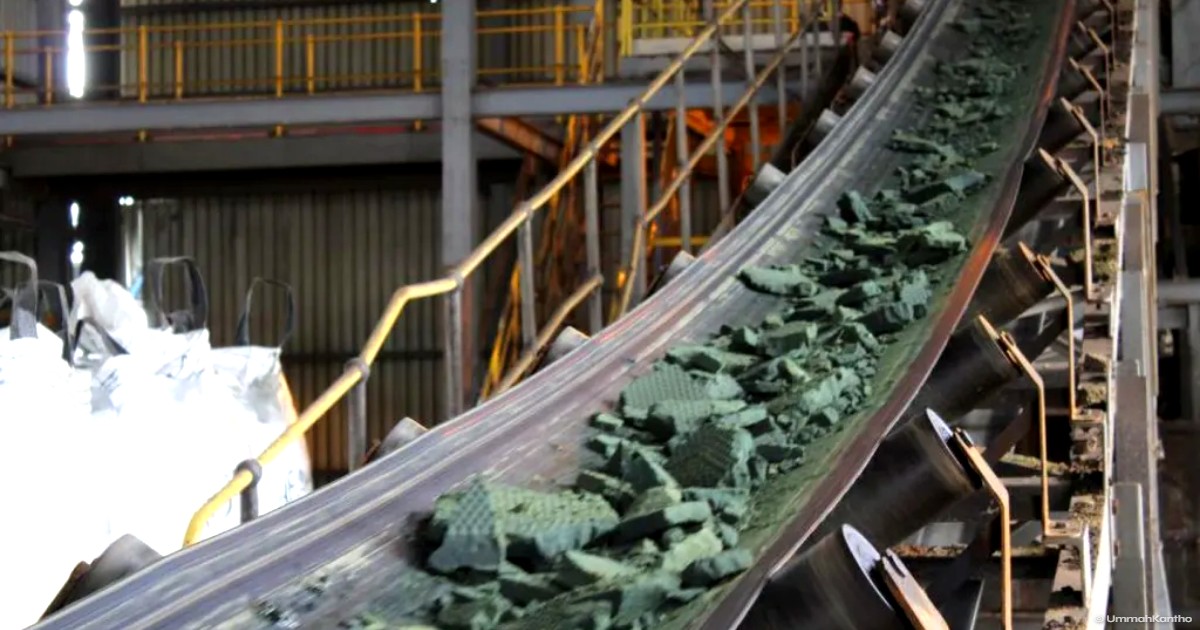
The reality of Sino-African trade, however, is complicated by a massive and growing imbalance. Last year, Africa’s trade deficit with China surged by 65 percent, reaching a staggering $102 billion. Historically, African exports to China have been dominated by raw materials and minerals, such as crude oil from Angola and cobalt from the Democratic Republic of Congo. The new tariff-free regime is seen as a way to diversify these exports, allowing countries like Kenya to ramp up shipments of avocados, tea, and macadamia nuts to satisfy changing Chinese consumer tastes.
Despite the optimism, experts warn that structural constraints remain a major hurdle. Jervin Naidoo, a political analyst at Oxford Economics Africa, emphasized that tariff reductions alone cannot solve the issues of limited industrial capacity and weak logistics that plague many African economies. Developed nations like South Africa and Morocco are far better positioned to take immediate advantage of the zero-tariff status, while less industrialized countries may struggle with the infrastructural demands of large-scale international trade.
Alfred Schipke, director of the East Asian Institute in Singapore, suggested that while the short-term economic gains might be concentrated in nations with existing export capacity, the long-term potential is more meaningful. If African nations can successfully move up the value chain and diversify their production, this policy could serve as a catalyst for a more balanced economic relationship. For now, the move remains a powerful diplomatic signal from Beijing, illustrating its commitment to the "Global South" as it navigates a complex international trade landscape.