Nine weeks into the devastating conflict between the United States, Israel, and Iran, the Strait of Hormuz—the world’s most critical maritime chokepoint—remains paralyzed. On this day, April 28, 2026, the tremors of this closure are being felt globally, pushing the international community toward the brink of a severe recession.
During peacetime, nearly 20 percent of the world’s oil and liquefied natural gas (LNG) flows through this narrow artery. Following the February 28 strikes that killed Supreme Leader Ayatollah Ali Khamenei and the subsequent ascension of his son, Mojtaba Khamenei, the waterway has transformed from a trade route into a heavily mined military zone.
The current situation is unprecedented. According to the International Energy Agency (IEA), the halt in traffic represents the largest oil supply disruption in global history, surpassing even the historic oil shocks of the 1970s.
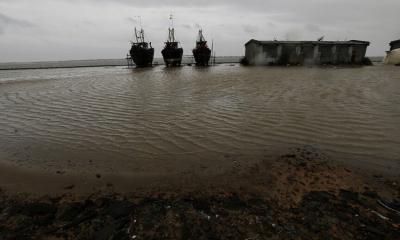
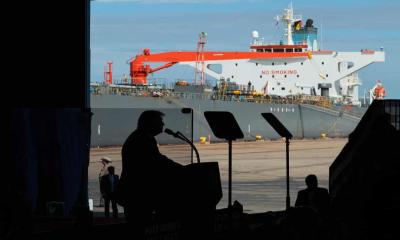
Approximately 2,000 commercial vessels remain stranded in the Gulf, unable to transit the strait. While the physical reopening of the passage is a primary goal, the hidden dangers beneath the surface present a much more complicated timeline. Pentagon officials informed the House Armed Services Committee on April 21 that fully clearing the mines suspected to have been deployed by the Iranian military could take at least six months.
The U.S. military initiated mine-clearing operations on April 11, deploying two guided-missile destroyers, the USS Frank E. Peterson and the USS Michael Murphy. These efforts have since been bolstered by specialized underwater drones designed to detect and neutralize maritime explosives. However, President Donald Trump has demanded even more aggressive action.
In a recent post on his Truth Social platform, Trump ordered the military to "shoot and kill" any Iranian vessels attempting to lay mines and commanded that mine-sweeping activities be "tripled up" immediately. This aggressive stance underscores the administration`s desperation to restore global energy flows, yet it also heightens the risk of further naval skirmishes.
Even if the military succeeds in clearing the mines within the six-month window, a secondary and perhaps more difficult hurdle remains: maritime insurance.
In March, major global insurers canceled "war risk" coverage for tankers transiting the strait. Speaking to Al Jazeera, shipping insurers noted that premiums have skyrocketed from a pre-war rate of 0.25 percent of a ship’s hull value to as high as 5 percent today. For a modern supertanker, this cost is prohibitive. Insurers are notoriously risk-averse; they require not just the word of a navy that the waters are clear, but a sustained period of incident-free passage before they will consider the route "safe" for commercial underwriting.
The geopolitical stalemate continues to exacerbate the crisis. After the failure of mediated talks in Islamabad on April 11, the U.S. imposed a full naval blockade on Iranian ports.
While Tehran was previously allowing "friendly" nations—such as India, Turkiye, and China—to pass through the strait in exchange for tolls, the blockade has prompted Iran to close the passage to all foreign-flagged ships. Tehran has even released a map showing mined areas and proposing an alternative route closer to the Iranian coast, a move Washington has denounced as a form of "piracy" and "high-seas robbery."
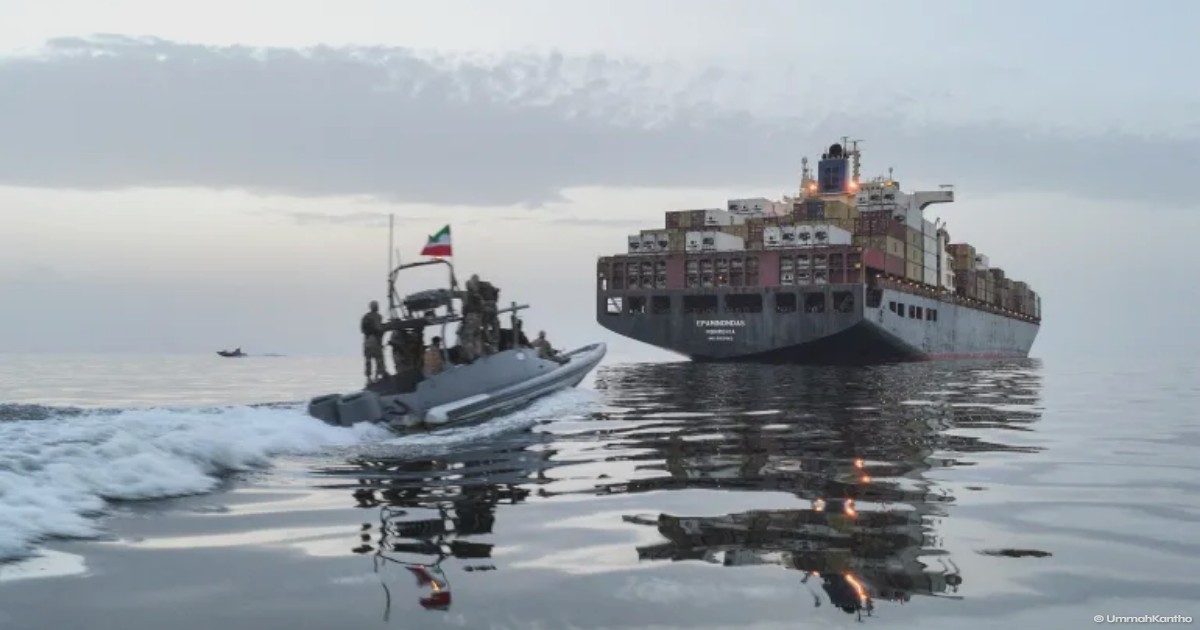
The seizure of vessels like the Epaminondas and the MSC Francesca by the Islamic Revolutionary Guard Corps (IRGC) has only served to solidify the perception of the strait as a high-risk zone.
For the 2,000 ships currently waiting in the Gulf, the wait is likely to be long. Even with the "triple-speed" mine-clearing efforts ordered by the White House, the combined reality of physical danger and financial liability means that the Strait of Hormuz is unlikely to be considered safe for commercial shipping until late 2026.
Until then, the global economy must navigate the turbulent waters of a supply chain in crisis, with energy costs continuing to fuel inflation and instability across the globe.