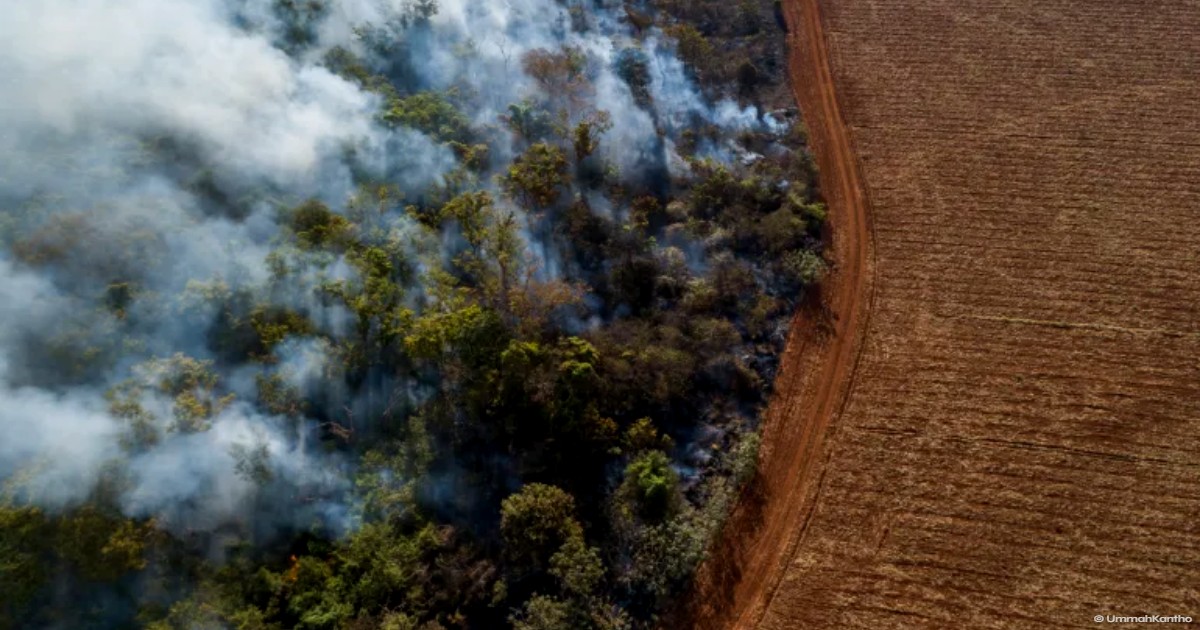
The pace of global tropical rainforest destruction witnessed a significant decline in 2025 following a record-breaking year of loss. According to a new study released on Wednesday by the World Resources Institute (WRI) and the University of Maryland, the world lost 4.3 million hectares of primary tropical rainforest last year.
This represents a substantial 36 percent drop from the previous year’s figures. Researchers have praised decisive government actions, particularly in South America, for this encouraging trend while simultaneously warning that climate-driven wildfires are creating a dangerous new normal for global ecosystems.
Much of this progress is attributed to the environmental policies implemented by Brazilian President Luiz Inacio Lula da Silva. Since taking office in 2023, Lula has prioritized the protection of the Amazon, the world’s largest rainforest. By relaunching anti-deforestation action plans and imposing stricter penalties for environmental crimes, Brazil saw a 41 percent reduction in forest loss—excluding fire-related damage—marking its lowest rate on record.
Elizabeth Goldman, co-director of WRI’s Global Forest Watch, noted that these declines demonstrate what can be achieved when governments take firm, verifiable action against illegal logging and land clearing.
While Brazil leads the way, neighboring Colombia also reported significant improvements. Forest loss in Colombia fell by 17 percent, achieving its second-lowest level since 2016. These gains are linked to government negotiations and agreements that have successfully limited forest clearing in sensitive regions. However, the report highlights a contrasting reality in other parts of the world.
In the Democratic Republic of the Congo and Cameroon, tropical forest loss remains at alarmingly high levels, suggesting that the drive toward preservation is not yet a universal trend.
Despite the localized successes, the global community remains far from meeting the 2030 target of halting and reversing forest loss. The current rate of destruction is still 70 percent above what is required to reach that international milestone. Researchers are also deeply concerned about the intensifying role of wildfires.
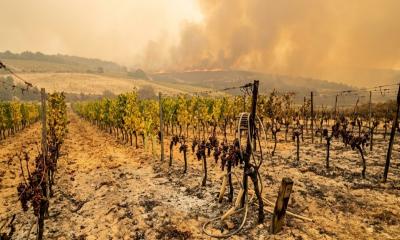
In 2025, fires accounted for 42 percent of tropical forest destruction worldwide. While human activity causes the majority of fires in the tropics, climate change is supercharging natural fire cycles in northern regions. Canada, for instance, experienced its second-worst fire year on record in 2025, with 5.3 million hectares of forest lost to blazes.
The situation is further complicated by the expected return of the El Niño weather phenomenon later this year. Experts predict that El Niño will bring heatwaves and prolonged droughts, potentially reversing the recent gains made by government interventions.
Rod Taylor, WRI’s global director for forests, warned that as the planet warms, forests that traditionally acted as carbon sinks are increasingly at risk of becoming sources of greenhouse gas emissions.
The long-term survival of these critical ecosystems depends on maintaining the momentum of policy enforcement while rapidly addressing the broader climate crisis. The 2025 data offers a glimmer of hope, but it serves as a reminder that the battle for the world`s rainforests is far from over.