
Wednesday, 29 Apr, 2026
Published: April 29, 2026, 01:08 PM
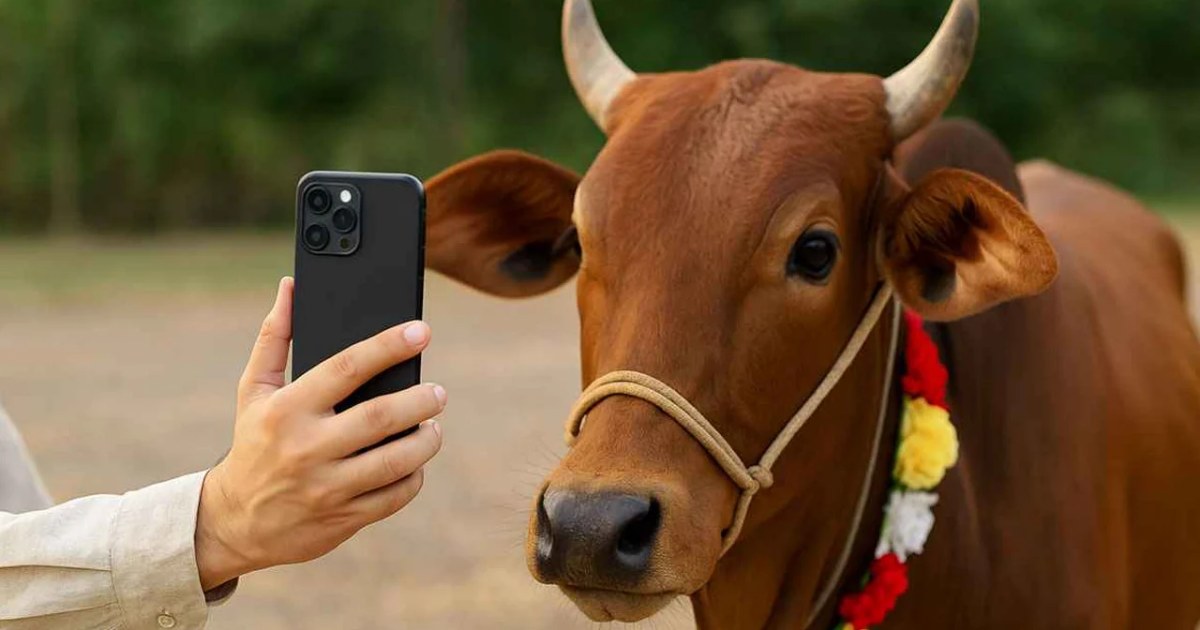
As the sacred days of Dhul-Hijjah approach in 2026, millions of Muslims worldwide are preparing for the profound act of Udhiyah, or Qurbani. This ritual is more than a mere tradition; it is a spiritual reconnection with the legacy of Prophet Ibrahim (as) and a testament to one`s devotion to Allah. The essence of Qurbani lies in Taqwa—the consciousness of God. Since this act is an offering to the Almighty, ensuring that the sacrificial animal meets the highest standards of health and religious compliance is paramount. Selecting the right animal is the first step in ensuring that this significant act of worship is performed correctly and accepted.
Religious jurisprudence (Fiqh) sets clear age requirements for different types of sacrificial animals. For a camel, the animal must be at least five years old. For cows, buffaloes, and bulls, the minimum age is two years. Small livestock, such as goats and sheep, must be at least one year old. However, there is a specific exception for sheep: if a lamb is at least six months old and appears as large and healthy as a one-year-old, it is permissible for sacrifice. The most common way to verify an animal`s age at a market is by checking its teeth. A two-year-old cow or buffalo will typically have two large permanent front teeth, often referred to as "two-teeth" animals by traders. While this is a reliable physical indicator, knowing the actual birth date from a reputable farm is always more certain.
Physical perfection is a central theme in selecting an animal for Allah. The Prophet Muhammad (peace be upon him) explicitly identified four types of defects that render an animal ineligible for Qurbani. First, an animal that is clearly blind in one or both eyes. Second, an animal that is obviously sick, such as one showing signs of fever or infectious diseases. Third, an animal that is visibly lame and unable to walk to the place of slaughter. Fourth, an animal that is so thin and emaciated that there is no marrow left in its bones. Beyond these four major disqualifiers, minor defects should also be avoided to offer the best possible sacrifice. This includes ensuring the animal is not missing a significant portion of its ear or tail, and that its horns are not broken at the root in a way that affects its brain.
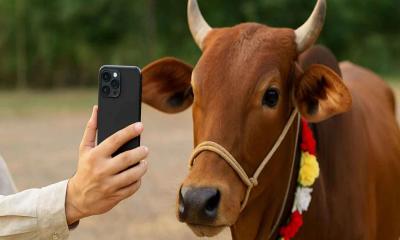
Assessing the health of an animal at a crowded livestock market requires a keen eye. A healthy animal should be alert, active, and responsive to its surroundings. Its eyes should be clear and bright, not dull or tearing. The nose should be moist but free from excessive discharge or crusting. One of the most telling signs of a healthy ruminant is its appetite; a healthy animal will be constantly chewing or looking for food. It is also vital to inspect the skin and coat. A shiny, smooth coat generally indicates good internal health, while a rough, patchy, or dull coat may suggest parasites or malnutrition. Buyers should also check the animal`s hooves for any signs of foot-rot or injury that might cause pain or difficulty in standing.
In recent years, a concerning trend has emerged where some traders use steroids or growth hormones to artificially fatten animals for higher profits. These "injected" animals often look unnaturally bloated and may appear lethargic. To spot an artificially fattened cow, look for excessive swelling in the hindquarters. If you press your finger into the flesh and it leaves a lasting indentation, the animal is likely retaining water due to chemical use. Such animals are not only a poor choice for religious sacrifice but their meat can also pose health risks to consumers. It is always better to choose an animal that has been raised naturally on grass and organic fodder, even if it appears less bulky than the chemically enhanced alternatives.
The ethics of the purchase are just as important as the physical attributes of the animal. Qurbani must be performed using funds obtained through Halal (permissible) means. Using wealth acquired through interest, fraud, or unethical business practices contradicts the very spirit of the sacrifice. Furthermore, the treatment of the animal after purchase is a reflection of a Muslim`s character. Islam teaches us to be merciful to all living beings. The animal should be transported comfortably, provided with clean water and nutritious food, and kept in a stress-free environment until the time of slaughter. This period of care is a beautiful way for a family, especially children, to develop a bond with the animal and understand the weight of the sacrifice being made.
Modern technology has introduced online Qurbani services, which offer convenience for those living in urban areas or abroad. While these services are helpful, they require a high level of trust. If you are purchasing through an online platform, ensure the organization is reputable and provides transparency regarding the animal`s age and health. Requesting live videos or photos of the specific animal being assigned to you can provide peace of mind. Additionally, as we live in a world increasingly conscious of the environment, responsible waste management after the sacrifice is a religious and civic duty. Ensuring the slaughter area is cleaned and waste is disposed of in designated areas is part of the "Ihsan" (excellence) that Islam demands in every action.
Ultimately, selecting a Qurbani animal is an act of love and obedience. It is a process that demands patience, knowledge, and sincerity. By following the religious guidelines and practical health checks, we honor the tradition of the prophets and ensure that our offering is worthy. Whether you are at a bustling market in Dhaka or a farm in Texas, the goal remains the same: to offer the best of what we have to the One who gave us everything. May Allah accept the efforts and sacrifices of the Ummah and grant us a blessed and meaningful Eid-ul-Adha.




















Design & Developed by 