The reign of Umar ibn al-Khattab (RA), the second Caliph of Islam, is widely regarded as the golden age of justice and administration. Ruling over a vast empire that stretched from the borders of China to the shores of Tripoli, Umar (RA) demonstrated that true leadership is rooted in accountability, humility, and an unwavering commitment to the welfare of the people. His style of governance was not characterized by the grandeur of palaces but by his presence in the dusty streets of Medina, where he acted more as a guardian than a monarch. To Umar (RA), political power was a sacred trust from Allah, and he lived in constant fear of failing to provide justice to even the lowliest citizen.
A hallmark of Umar’s (RA) administration was his practice of `night patrols.` Disguising himself as a commoner, he would roam the streets of Medina under the cover of darkness to observe the condition of his subjects firsthand. In one famous incident, he discovered a woman in a tent boiling stones in a pot to pacify her hungry, crying children. When Umar (RA) inquired about her situation, she complained about the Caliph`s unawareness of her plight, not knowing she was speaking to the Caliph himself. Heartbroken, Umar (RA) rushed to the Bait-ul-Mal (State Treasury), filled a sack with flour and oil, and insisted on carrying it on his own back. When his servant offered to help, Umar (RA) famously replied, "Will you carry my burden of sins on the Day of Judgment?" This incident solidified the Faruqi principle that the ruler is directly responsible for every hungry stomach in the land.
Justice under Umar (RA) was absolute and blind to status or lineage. He enforced a strict code of conduct for his provincial governors, ensuring they remained accessible to the public. He would often audit their wealth before and after their appointments to prevent corruption. In one historic case of judicial equality, a common Egyptian citizen complained that the son of the powerful governor, Amr ibn al-Aas, had struck him during a race. Umar (RA) summoned the governor and his son to Medina and allowed the commoner to strike the governor`s son in return. Turning to the governor, Umar (RA) uttered the immortal words, "Since when have you turned people into slaves when their mothers gave birth to them as free men?"
Beyond individual justice, Umar (RA) was a visionary administrator who institutionalized social welfare. He established the first state-run social security system in history, providing stipends for widows, orphans, and the elderly regardless of their religion. He once saw an old Jewish man begging and immediately ordered that he be given a pension from the state treasury, arguing that it was unjust to take taxes from a man in his youth and abandon him in his old age. He also standardized the military, established new cities like Kufa and Basra, and created the Islamic Hijri calendar, providing the state with the structural integrity it needed to manage its rapid expansion.
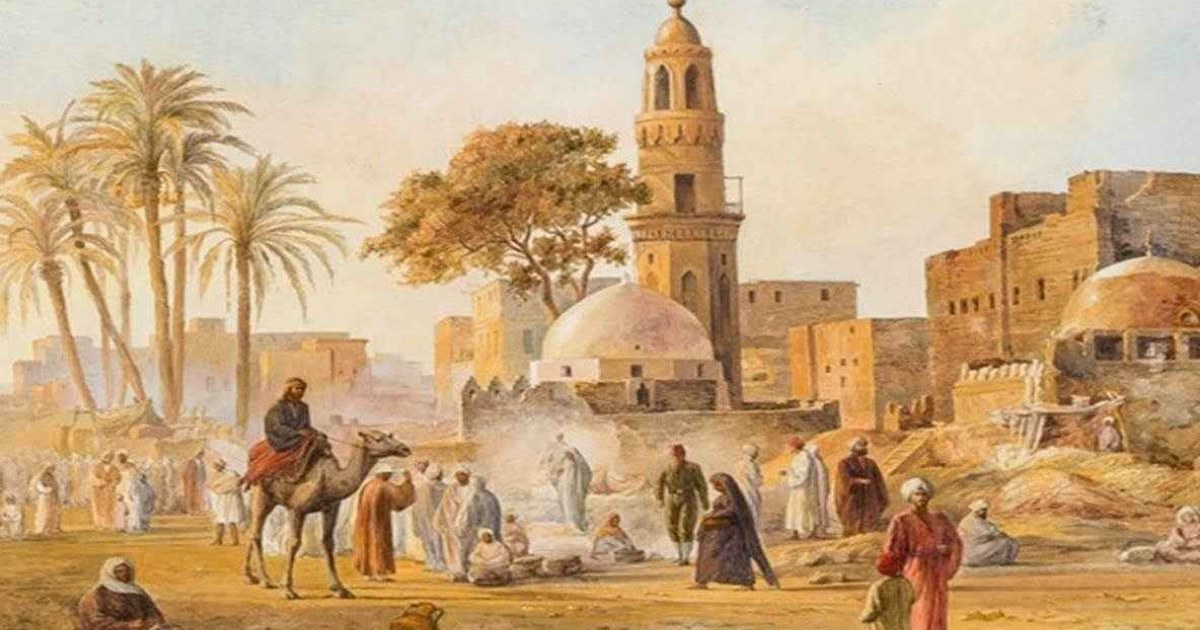
Despite his immense authority, Umar (RA) led a life of extreme simplicity. It was common to see him wearing clothes with multiple patches, sitting on the bare ground, or sleeping under a tree. When he traveled to Jerusalem to accept its surrender, he shared his camel with his servant, taking turns to ride. As they entered the city, it was the servant’s turn to ride, and the world-conquering Caliph walked alongside, holding the reins. This sight moved the locals and showed the world that in Islam, the ruler is the servant of the people. His famous philosophy, "If a dog dies hungry on the banks of the Euphrates, I fear Allah will hold Umar accountable," remains the highest standard of leadership ever set in human history. His legacy as `Al-Faruq` continues to inspire a vision of a world where justice is the only law.