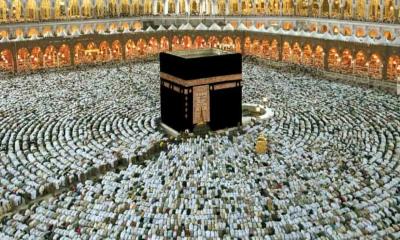
Al-Aqsa Mosque, also known as Bait al-Maqdis, is much more than a place of worship for the world`s 1.9 billion Muslims; it is a symbol of faith, heritage, and the shared history of the monotheistic world. Located in the heart of the Old City of Jerusalem, it stands as the third holiest site in Islam after the Masjid al-Haram in Makkah and Masjid an-Nabawi in Madinah. The sanctity of this site is mentioned directly in the Holy Quran, where Allah describes its surroundings as "blessed" in the opening verse of Surah Al-Isra: "Exalted is He who took His Servant by night from al-Masjid al-Haram to al-Masjid al-Aqsa, whose surroundings We have blessed..." (Quran, 17:1).
In the early years of Islam, Al-Aqsa Mosque held the supreme position of being the first Qibla—the direction toward which Muslims turned during their five daily prayers. For approximately seventeen months following the Hijrah (migration) to Madinah, the Prophet Muhammad (PBUH) and his companions faced Jerusalem until a divine revelation commanded the change of the Qibla toward the Kaaba in Makkah. Furthermore, Al-Aqsa is the site of the miraculous Night Journey and Ascension (Al-Isra wal Mi`raj). It was here that the Prophet (PBUH) led all previous prophets in prayer before ascending through the seven heavens to meet the Almighty.
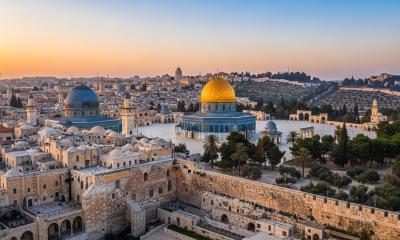
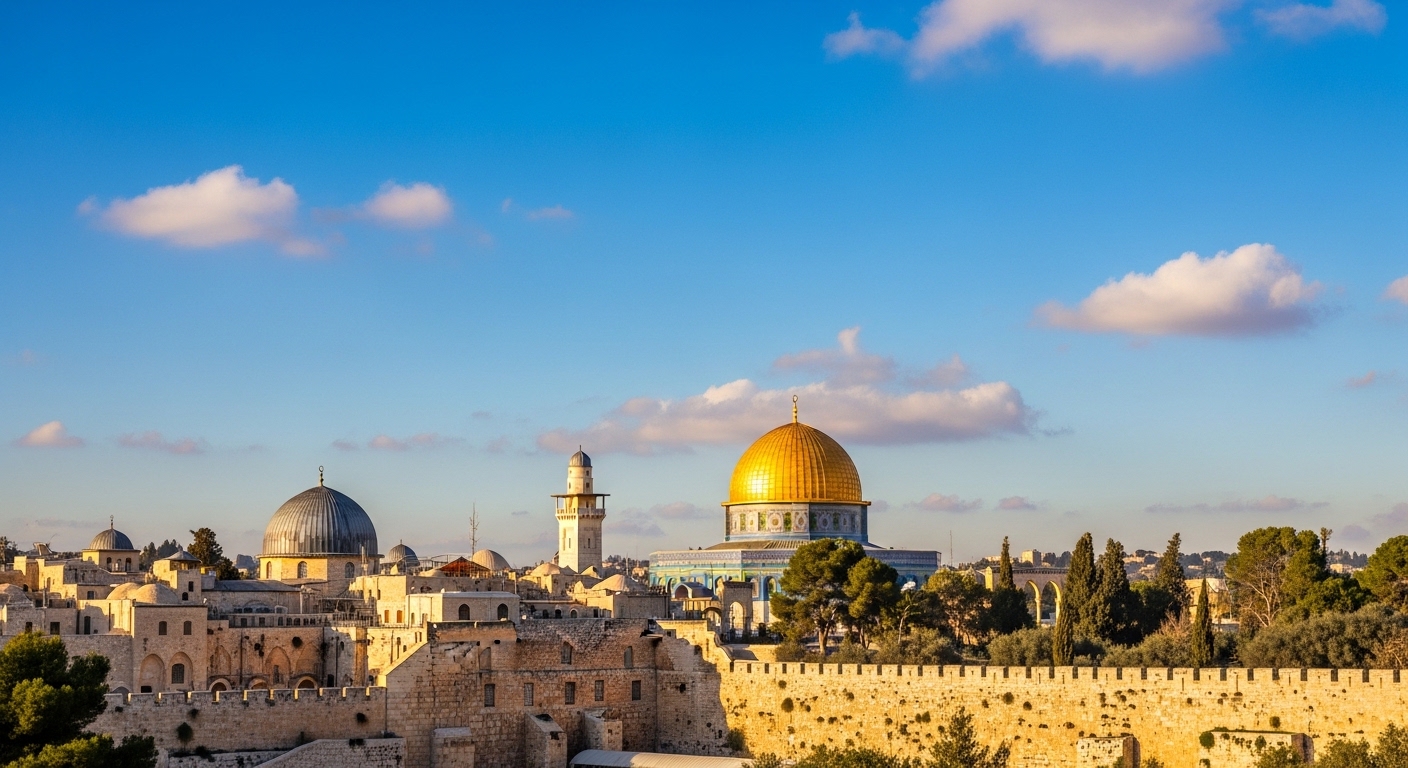
Architecturally, the Al-Aqsa compound, referred to as Al-Haram al-Sharif (The Noble Sanctuary), spans about 144,000 square meters. It is important to distinguish between the various structures within the compound. While the golden-domed "Dome of the Rock" is the most recognizable landmark, the silver-domed "Qibly Mosque" at the southern end is the primary congregational building for prayer. The current structures largely date back to the Umayyad period, commissioned by Caliph Abd al-Malik and his son Al-Walid I in the early 8th century. Over the centuries, it has undergone numerous renovations by the Abbasid, Fatimid, and Ottoman dynasties to preserve its integrity.
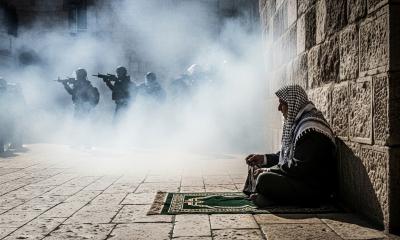
In modern times, Al-Aqsa has become a focal point of geopolitical tension and Palestinian identity. Since the 1967 war, the site has been under Israeli occupation, leading to frequent clashes and restrictions on Muslim worshippers. According to reports from Al Jazeera, the sanctity of the mosque is often challenged by incursions from security forces and settlers, which sparks global condemnation. Despite these challenges, Al-Aqsa remains a beacon of hope and resilience for the Muslim Ummah.
The historical and cultural significance of the site was recognized by UNESCO in 1981 when it was designated as a World Heritage site. For Muslims, visiting Al-Aqsa is a spiritual goal deeply rooted in the Prophetic tradition. The Prophet Muhammad (PBUH) stated, "Do not prepare yourself for a journey except to three Mosques, i.e., Al-Masjid al-Haram, the Mosque of Aqsa (Jerusalem) and my Mosque" (Sahih al-Bukhari, 1189). This hadith cements the eternal bond between the Muslim believer and this blessed sanctuary, ensuring that Al-Aqsa will always remain central to the Islamic world.