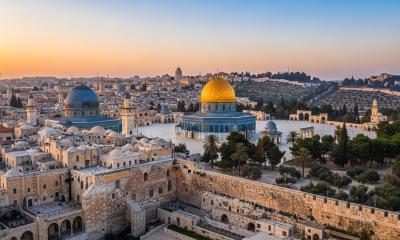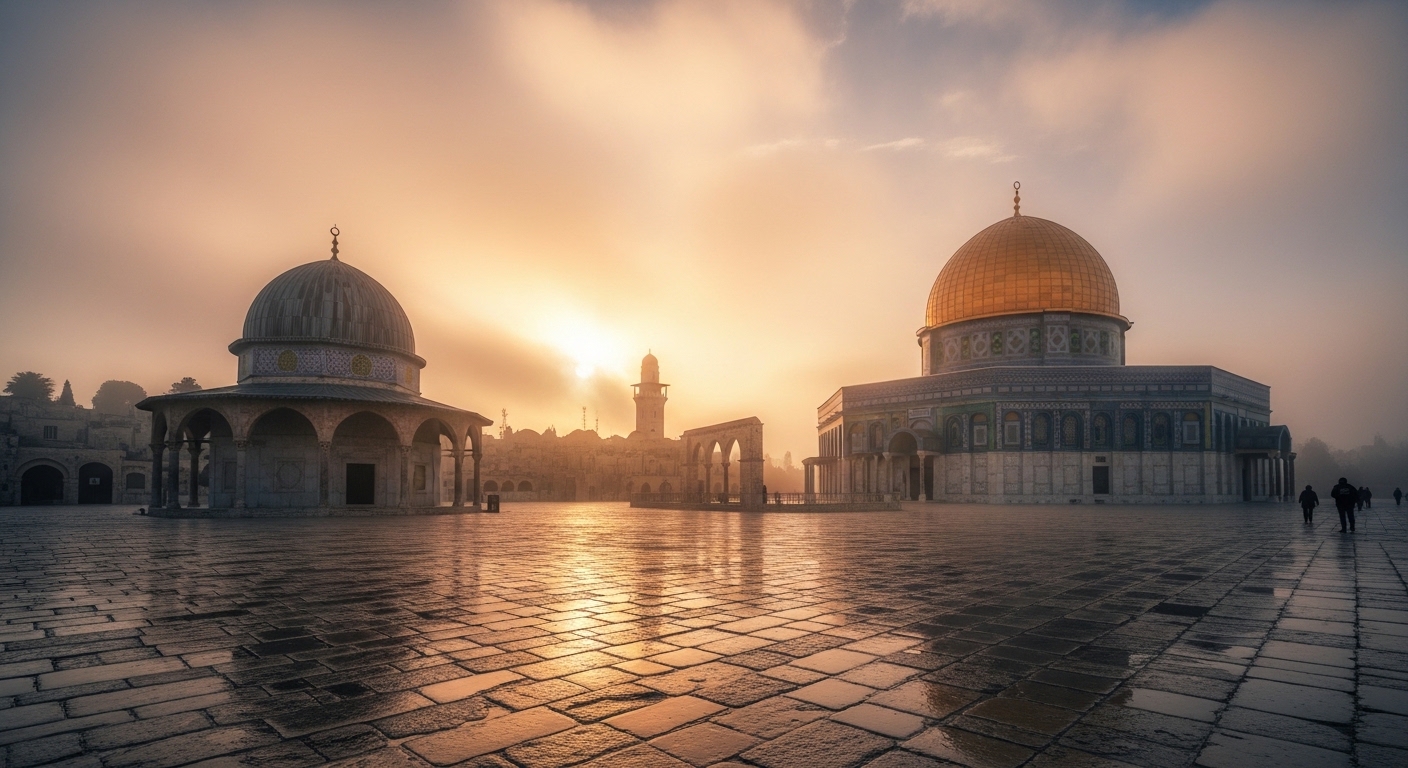
In the vast and illustrious history of Islam, few places are as deeply intertwined with the faith and existence of Muslims as the holy Al-Aqsa Mosque. Located in the heart of Jerusalem`s Old City within the `Haram al-Sharif` compound, this mosque is far more than a physical structure; it is a blessed territory graced by the presence of numerous prophets. As the third holiest site in Islam after the Grand Mosque in Makkah and the Prophet’s Mosque in Madinah, Al-Aqsa holds a unique spiritual weight. According to Britannica and Al Jazeera, the entire 144,000-square-meter area is considered sacred, with every inch reflecting the early history of Islamic civilization.
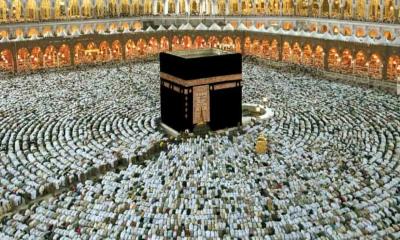
The paramount religious importance of Al-Aqsa is established by its status as the "First Qibla." After the Prophet Muhammad (PBUH) migrated to Madinah, he and his companions faced Al-Aqsa for nearly 16 to 17 months during their prayers. This orientation served as a divine directive until the command to face the Kaaba in Makkah was revealed. As mentioned in the Quran: "We have certainly seen the turning of your face,
, toward the heaven, and We will surely turn you to a qibla with which you will be pleased." (Surah Al-Baqarah, 2:144). This shift in direction created an eternal spiritual and historical bond between Muslims and Al-Aqsa.The sacred site is also the terminal of one of the most miraculous events in the life of Prophet Muhammad (PBUH)—the Al-Isra` wal-Mi`raj (Night Journey and Ascension). In Surah Al-Isra, Allah declares: "Exalted is He who took His Servant by night from al-Masjid al-Haram to al-Masjid al-Aqsa, whose surroundings We have blessed." (Surah Al-Isra, 17:1). On that miraculous night, the Prophet (PBUH) traveled on the Buraq to Al-Aqsa, where he led all previous prophets in prayer before ascending through the seven heavens to meet the Almighty. This profound connection is why, every year during the night of Mi`raj, the hearts of millions of Muslims turn toward Jerusalem in reflection.
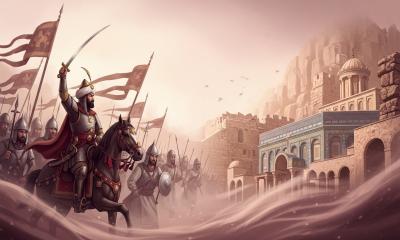
Al-Aqsa is not merely a place of worship but a land declared blessed by the Creator. Authentic traditions note that Al-Aqsa was the second mosque built on earth, forty years after the Kaaba. (Sahih al-Bukhari, 3366). Following the bloodless conquest of Jerusalem by Caliph Umar ibn al-Khattab (RA) in 638 CE, the site was restored and established as a major center for Islamic life. Over centuries, from the Umayyad to the Ottoman eras, Muslim rulers preserved and beautified the compound. The silver-domed Al-Qibly Mosque and the golden-domed Dome of the Rock remain masterpieces of Islamic architecture and symbols of spiritual endurance.
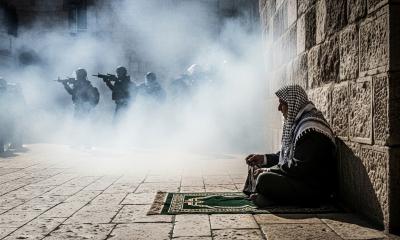
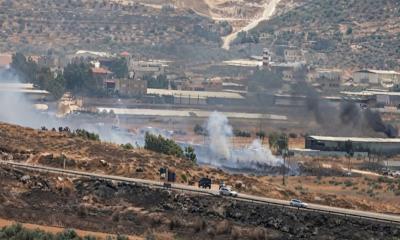
In the modern era, this holy land faces immense challenges due to decades of occupation. Despite restrictions on their right to worship, the Palestinian people view Al-Aqsa as the ultimate symbol of their faith and identity. They believe that Al-Aqsa is not just a Palestinian concern but a trust for the entire Muslim Ummah. Al Jazeera reports show that despite sound grenades and military barriers, the call to prayer continues to resonate from its minarets, fueled by the unwavering devotion of those who guard its gates.
Ultimately, Al-Aqsa Mosque remains our first Qibla, the dwelling place of prophets, and the gateway to the heavens. To love and honor this site is an essential part of a believer`s faith. It is not just an ancient monument; it is an eternal symbol of truth and resilience. Until the end of time, this blessed land will continue to be a source of inspiration and spiritual strength for the entire world.