The escalating military conflict involving Iran, Israel, and the United States has pushed global food security to the brink of a systemic collapse, according to the leadership of one of the world`s largest fertilizer producers. Svein Tore Holsether, chief executive of Yara International, told the BBC that the disruption of key agricultural inputs could result in the loss of up to 10 billion meals per week globally.
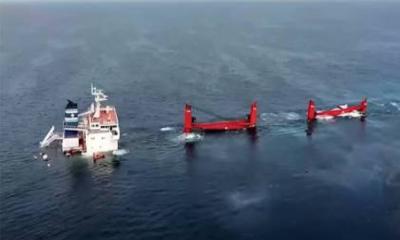
The primary driver of this looming catastrophe is the effective blockade of the Strait of Hormuz, a critical maritime artery through which approximately one-third of the world’s seaborne fertilizer trade passes. Hostilities in the Gulf have choked off the supply of urea, potash, and ammonia—the lifeblood of modern large-scale farming. Holsether confirmed that the world is already seeing a shortfall of half a million tons of nitrogen fertilizer production due to the current situation.
The implications for crop yields are stark. Without the application of nitrogen-based fertilizers, yields for some essential crops could plummet by as much as 50 percent in the very first season. While the UK is currently in its peak planting season, farmers in Asia are just beginning their work. Analysts suggest that the full impact of these shortages will not be felt immediately at the grocery store but will manifest toward the end of the year when harvests are significantly smaller than projected.
Economic indicators already reflect the severity of the shock. According to the World Bank, fertilizer prices have surged by 80 percent since the start of the conflict in February 2026. Urea prices have hit $700 per ton, the highest level in four years. This price spike is forcing a "bidding war" for food, where wealthy European nations use their buying power to secure supplies, inadvertently outpricing the world`s most vulnerable populations in developing nations.
Professor Paul Teng, a food security specialist in Singapore, noted that while some Asian countries have sufficient stockpiles for the immediate planting season, a prolonged conflict would be devastating for rice production later this year. The crisis is compounded by rising energy costs, as diesel prices for farm machinery have also skyrocketed alongside natural gas—a key component in ammonia production.
Holsether warned that the global community must recognize the magnitude of this threat before it translates into widespread hunger and political instability. In the UK, the Food and Drink Federation has already adjusted its forecasts, predicting that food inflation could reach 10 percent by December. The reality on the ground suggests that the "dual blockade" of the Gulf is no longer just a regional military concern but a direct threat to the survival of millions who rely on affordable global food trade.