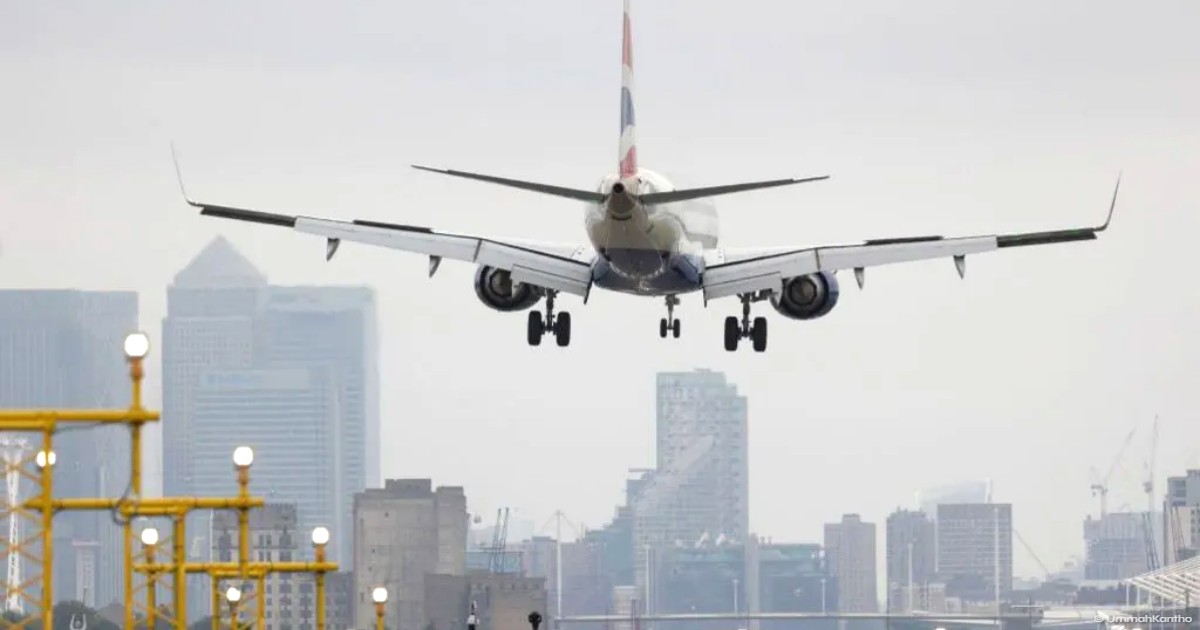
The UK government has introduced new contingency measures that could significantly alter summer travel plans for millions of passengers. As the conflict in Iran continues to destabilize global energy markets, airlines will now be permitted to cancel flights weeks in advance without the risk of losing their highly coveted takeoff and landing slots at major hubs like London Heathrow and Gatwick. This proactive approach aims to prevent the chaotic last-minute cancellations that often leave travelers stranded in airport terminals.
Under normal regulations, specifically the Airports Slot Allocation Regulations 2025, airlines are bound by an "80:20 rule." This requires them to utilize at least 80% of their allocated slots to maintain their rights for the following year. This rule has historically led to "ghost flights"—empty or near-empty aircraft flying simply to preserve slot ownership. The new government proposals allow for a temporary relaxation of these rules, enabling carriers to merge flights on high-frequency routes to conserve jet fuel as the geopolitical situation evolves.
Transport Secretary Heidi Alexander stated that while the government remains confident in the overall summer schedule, the evolving nature of the Iran war necessitates these emergency preparations. The closure of the Strait of Hormuz has created a significant bottleneck for fuel deliveries. Given that the UK imports roughly 65% of its jet fuel, much of which typically originates from the Middle East, the International Energy Agency (IEA) has warned that Europe could face acute shortages as early as June unless alternative supplies are secured rapidly.
The practical application of these plans would see airlines prioritizing long-haul holiday destinations over frequent short-haul business routes. For instance, an airline operating ten daily flights between London and a European business hub might consolidate those into seven or eight flights, moving passengers to similar departure times. This strategy is designed to ensure that families heading to holiday spots with less frequent service can still reach their destinations. Travel experts suggest that this "trimming" of schedules is a necessary trade-off to maintain the integrity of the broader aviation network.
In response to the looming crisis, the UK is increasing its imports from the United States and West Africa, while domestic refineries have been instructed to maximize production. While the government maintains that there is currently no immediate disruption to the supply of jet fuel, the situation remains precarious. For travelers, the message is clear: while most flights will proceed as planned, a higher degree of flexibility will be required this summer as the aviation industry grapples with the fallout of international conflict. The success of the season now rests on the efficiency of these new contingency rules and the stability of global supply chains.