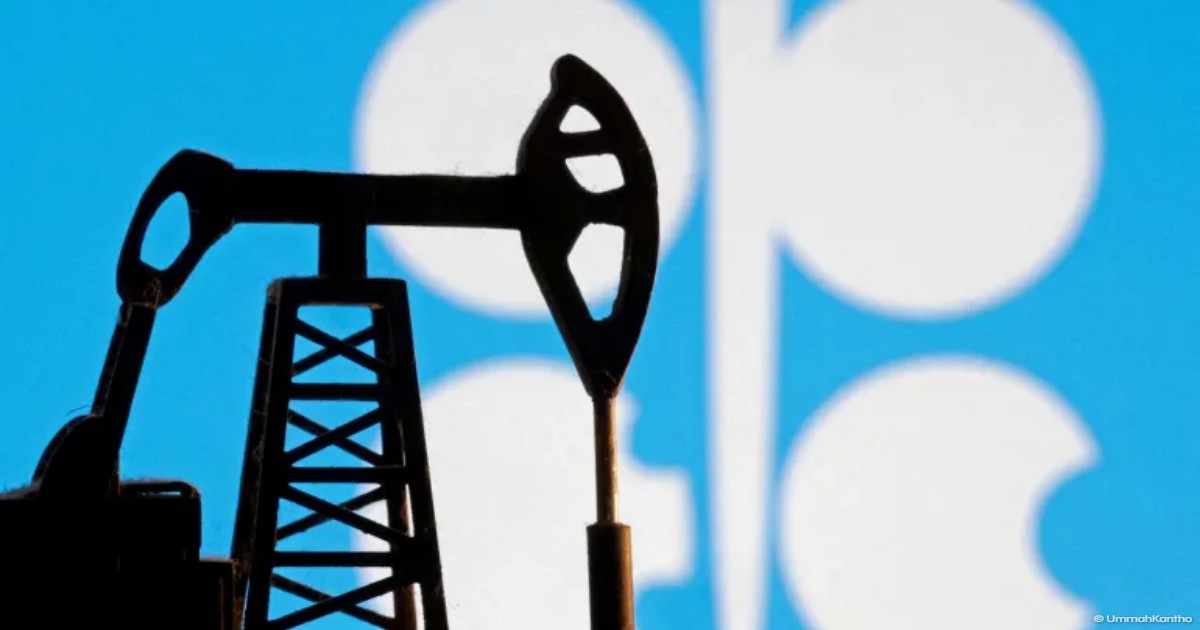
The global energy landscape faced a significant strategic maneuver on Sunday as seven major oil-producing nations, operating under the OPEC+ umbrella, agreed to a modest production increase for June. This decision comes as the ongoing military conflict between the United States, Israel, and Iran continues to paralyze critical supply routes in the Persian Gulf. According to an official statement, the participating countries, including Saudi Arabia and Russia, will adjust their total production quota upward by 188,000 barrels per day. The move is widely interpreted as a signal of commitment to market stability during a period of unprecedented geopolitical volatility.
However, industry experts describe this production hike as largely symbolic due to the continued closure of the Strait of Hormuz. The blockade, a direct result of the war that began on February 28, has effectively throttled the export capabilities of the region`s largest producers. Saudi Arabia, Iraq, and Kuwait are currently facing severe logistical constraints that make any actual increase in market supply nearly impossible in the short term. Even if maritime passage were to be restored tomorrow, global traders warn that it would take several months for the flow of crude oil to normalize and reach international refineries.
The meeting also served as a moment of consolidation for the group following the departure of the United Arab Emirates. While the UAE officially withdrew from the organization on Friday after disputes over production limits, Sunday’s collective statement notably avoided any mention of the exit. This "business-as-usual" approach, as described by sources close to the organization, suggests that the remaining members are determined to maintain the group`s relevance. Saudi Arabia’s specific quota will rise to over 10 million barrels per day for June, a figure that stands in sharp contrast to its actual production of 7.76 million barrels reported in March.
The economic fallout of the regional conflict is already being felt globally. Brent crude oil prices have surged past $125 per barrel, hitting a four-year high as the market reacts to the supply vacuum. Analysts from major financial institutions are now projecting a potential spike in global inflation and a widespread shortage of jet fuel within the next 60 days. The disruption has already caused a massive drop in output; OPEC`s latest reports indicate that total production from the group fell by 7.7 million barrels per day in March compared to the previous month, with Iraq and Saudi Arabia bearing the brunt of the cuts.
Ultimately, the OPEC+ announcement functions more as a diplomatic gesture than a physical remedy for the energy crisis. It indicates that the producers are ready to flood the market once the conflict subsides, yet it does little to alleviate current price pressures at the pump or in industrial sectors. As the siege of Iranian ports continues and maritime insurance rates skyrocket, the global community remains in a state of high alert. The effectiveness of any future output adjustments will remain entirely dependent on the reopening of the world`s most critical energy chokepoint and a de-escalation of the regional war.