Nearly two months into the escalating war involving Iran, Israel, and the United States, the global economic fallout is shifting from energy markets to the kitchen tables of the most vulnerable populations. While fuel and fertilizer prices have surged since late February, economists warn that the true impact on food costs has yet to fully manifest. The delay, experts suggest, is due to the natural lag between agricultural input spikes and retail price adjustments. The primary concern remains the prolonged closure of the Strait of Hormuz, a critical chokepoint that facilitates a third of global seaborne fertilizer and a quarter of the world`s oil supply.
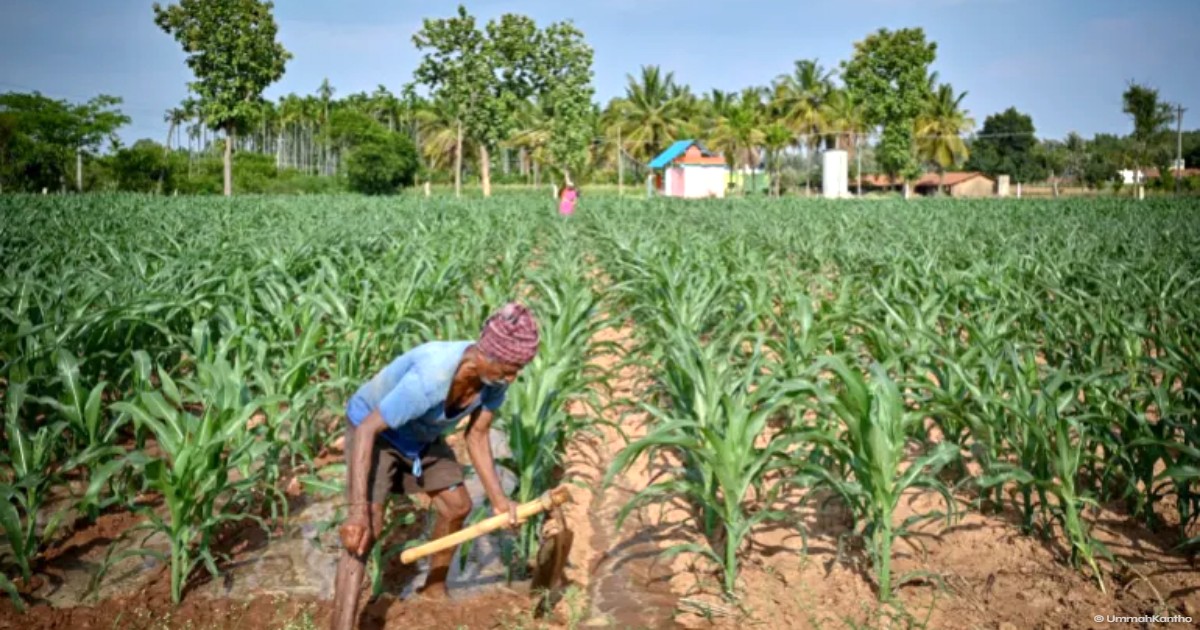
Matin Qaim, executive director of the Center for Development Research at the University of Bonn, told Al Jazeera that a significant rise in food prices is inevitable in the coming months. He emphasized that the Global South, particularly nations in Africa and Asia, will bear the brunt of this crisis as households there spend a disproportionate share of their income on basic staples. The consequence, according to Qaim, will be a sharp rise in hunger and undernutrition. This grim outlook aligns with religious warnings regarding trials of fear and hunger that test the resilience of humanity. (Surah Al-Baqarah, 2:155)
The Food and Agriculture Organization (FAO) recently issued a dire warning, suggesting that a continued blockade of the strait could lead to a global food "catastrophe." Countries like Bangladesh, India, Egypt, and Tanzania are identified as being at high risk. Furthermore, the World Food Programme (WFP) estimates that an additional 45 million people could face acute food shortages if the conflict persists past the middle of 2026 and crude oil prices remain sustained above the $100 mark. The disruption in fertilizer flows is particularly troubling for major producers like India and Pakistan, who rely on Middle Eastern urea and phosphates.
Current data shows a modest 2.4 percent rise in the global food price index for March, a figure that has surprised some observers given the intensity of the regional war. However, Sandro Steinbach of North Dakota State University cautions against complacency. He noted that while cereal stocks are at a record 951.5 million tonnes, the repricing of shipping and fertilizer markets happens in days, whereas biological harvest cycles take months. The immediate concern is the passthrough effect in low-income countries where transport costs, driven by fuel spikes, directly inflate the retail price of food in cities like Dhaka and Lagos.
The historical context of the 2007-08 food crisis offers some perspective, though experts note key differences. Unlike that period, major producers have not yet rushed to impose export bans on staples like wheat and rice. Elizabeth Robinson of the London School of Economics pointed out that grain markets have not been fundamentally broken yet, and the world is currently better positioned regarding inventory. However, the political landscape remains volatile. US President Donald Trump signaled on Monday that a two-week ceasefire with Iran is unlikely to be extended, stating he would not be rushed into a "bad deal." This lack of diplomatic de-escalation suggests that the "Hormuz effect" will continue to squeeze global supply chains, potentially turning a manageable shock into a generational health crisis for children in impoverished regions.