As the 2026 FIFA Men`s World Cup approaches, the Confederation of African Football (CAF) finds itself under intense scrutiny for its perceived failure to protect the interests of African fans. Recent geopolitical developments, including the reinstatement of travel bans and stringent visa requirements by the United States administration, have raised significant barriers for fans from several African nations that have qualified for the tournament. According to reports from Al Jazeera and Reuters, the institutional silence of CAF and FIFA regarding these discriminatory policies is being viewed as a betrayal of the principles upon which African football governance was founded.
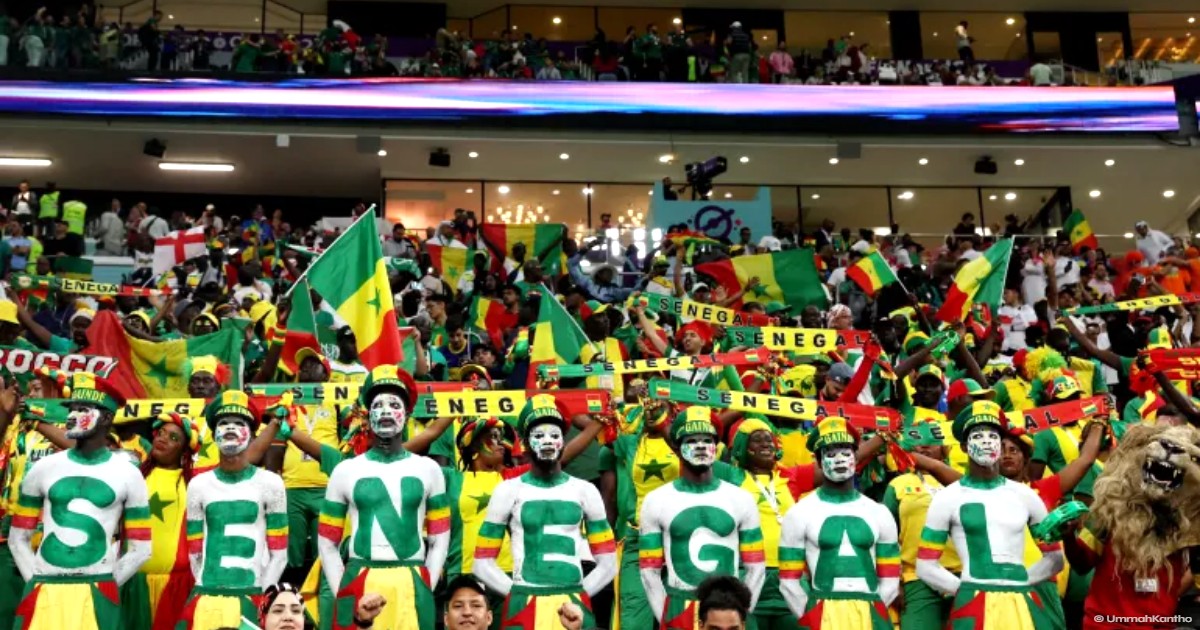
The core of the controversy lies in the "Travel Ban" policies targeting nations like Senegal and Ivory Coast. While athletes and coaching staff are formally exempt from these restrictions, the general populace—the fans who bring the vibrant energy to World Cup stadiums—faces nearly insurmountable obstacles to travel. Furthermore, nations such as Algeria, Tunisia, and Cabo Verde are subjected to a "visa bond program," which requires applicants to post a refundable bond of up to $15,000 before a visa is issued. For a fan in Tunisia, where the gross disposable income per capita is just over $500, this requirement represents thirty times their annual income, making attendance a financial impossibility despite possessing a match ticket.
Historically, CAF was a bastion of resistance against global inequality in football. In 1964, Ohene Djan of Ghana led a total boycott of the 1966 World Cup after FIFA allocated only one slot for the entirety of Africa, Asia, and Oceania. This courageous stance eventually forced FIFA to grant Africa guaranteed representation. Similarly, CAF was the first major sports body to expel South Africa during the apartheid era, long before FIFA followed suit. However, critics argue that the modern incarnation of CAF, now deeply integrated into FIFA’s multi-billion dollar revenue and governance architecture, has traded its political backbone for institutional survival and funding.
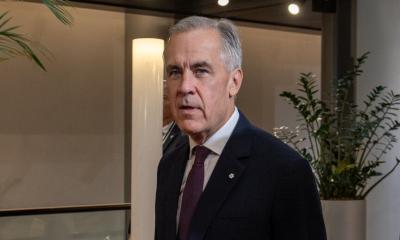
The picture remains incomplete without addressing the relationship between FIFA President Gianni Infantino and the current US administration. In December, Infantino presented the inaugural FIFA Peace Prize to President Donald Trump, citing him as a leader who "cares about the people." This move has been met with shock by African football stakeholders, especially given the administration`s historical rhetoric regarding the continent. Despite these provocations, CAF President Patrice Motsepe, who also serves as a FIFA Vice President, has issued no formal statement. This silence is seen by many as an indictment of a leadership that prioritizes political neutrality over the equitable treatment of its constituents.
Potential solutions are available if CAF chooses to act. The confederation could demand that host nations issue conventional visas rather than "priority appointments" that do not waive the bond requirement. There are also calls for CAF to demand that matches involving teams from travel-banned nations be relocated to Canada or Mexico, where vetting processes are strict but blanket bans are not in place. Additionally, joining the FairSquare ethics complaint against Infantino for breaches of political neutrality could be a significant step. Without such measures, the 2026 World Cup risks becoming an exclusive event that systematically marginalizes the very fans who have made the sport a global phenomenon. The legacy of African football’s founding fathers now rests on whether today’s leaders have the courage to speak up against injustice or continue their submissive silence.