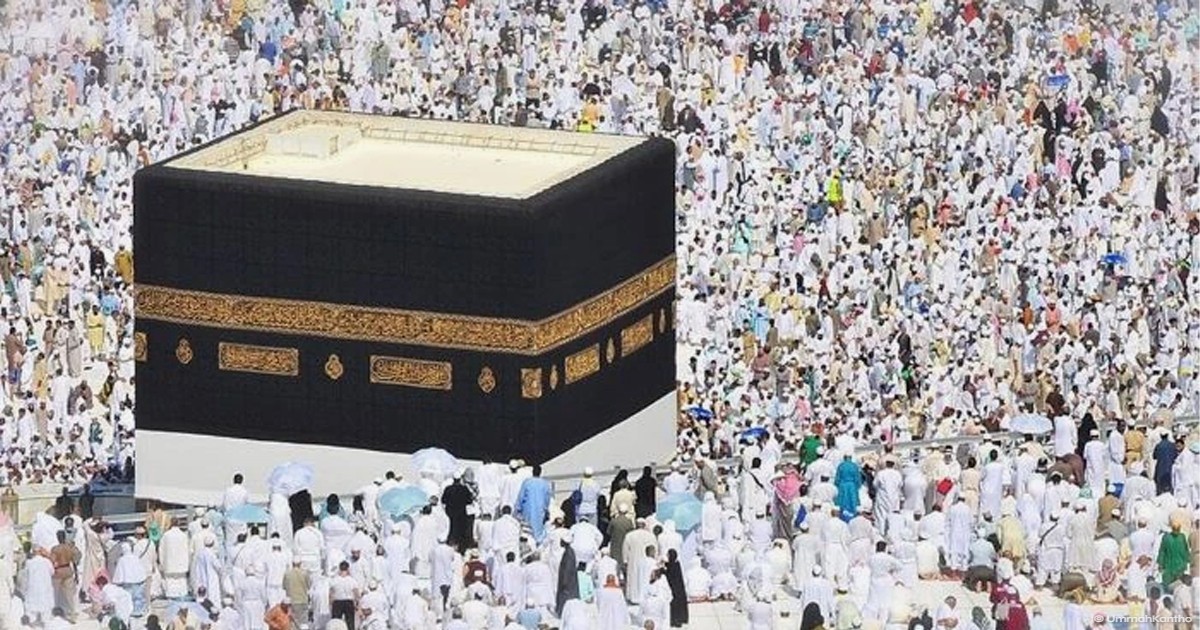
The Saudi Food and Drug Authority (SFDA) has announced a set of rigorous new regulations for pilgrims planning to carry controlled medications during the Hajj 2026 season. These measures are designed to safeguard public health and ensure that narcotic or psychotropic substances entering the Kingdom are strictly for personal medical use. Under the new guidelines, pilgrims who require specific medications must obtain a formal clearance permit through an electronic system before their arrival. According to reports from the Saudi Gazette and Gulf News, this digital transformation in health oversight is part of a broader strategy to streamline the entry process for millions of worshippers while maintaining high safety standards.
Pilgrims are now required to utilize the Electronic Controlled Drugs System (CDS) to apply for these permits. The first step involves creating a personal traveler account on the official SFDA portal. Applicants must then upload several essential documents for verification, including a clear copy of their passport and a valid medical prescription or report. This medical documentation must have been issued by a licensed healthcare provider within the last six months to be considered valid. Furthermore, the authority requires high-resolution images of the medication and its original outer packaging to cross-reference the active ingredients and dosages.
A key highlight of the new regulation is the limitation on the quantity of medication allowed. The SFDA has specified that pilgrims may only carry enough medicine for the duration of their stay, with a strict maximum cap of 30 days. For instance, if a pilgrim’s itinerary spans only 20 days, they are prohibited from bringing a 30-day supply. This rule is intended to prevent the oversupply of controlled substances within the holy sites. Applicants are also required to sign an electronic declaration within the CDS system, pledging that the medications are solely for personal use and will not be redistributed or sold.
These medication protocols coincide with updated general health requirements for Hajj 2026. Saudi health officials have already mandated the meningococcal meningitis vaccine for all attendees, which must be administered at least 10 days prior to departure. Additionally, the Ministry of Health has advised that individuals with severe chronic conditions, such as advanced kidney failure or serious heart diseases, should consult with medical experts as their eligibility for Hajj permits may be restricted due to physical demands. These comprehensive health measures reflect Saudi Arabia’s commitment to preventing localized outbreaks and managing the well-being of a diverse global population.
Prospective pilgrims are strongly advised to complete their CDS applications at least three weeks before their scheduled flight to allow sufficient time for processing and potential queries. Once the clearance permit is granted, it is recommended to carry a printed copy alongside the medication in its original packaging at all times. This proactive approach will help avoid unnecessary delays or confiscations at Saudi ports of entry. As the Hajj season approaches, these regulatory updates serve as a reminder for all guests of Allah to prioritize administrative compliance to ensure a peaceful and spiritually focused pilgrimage experience