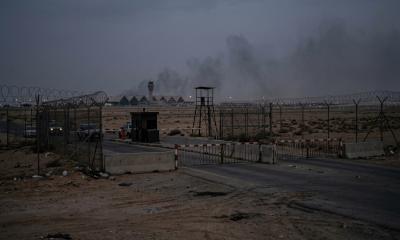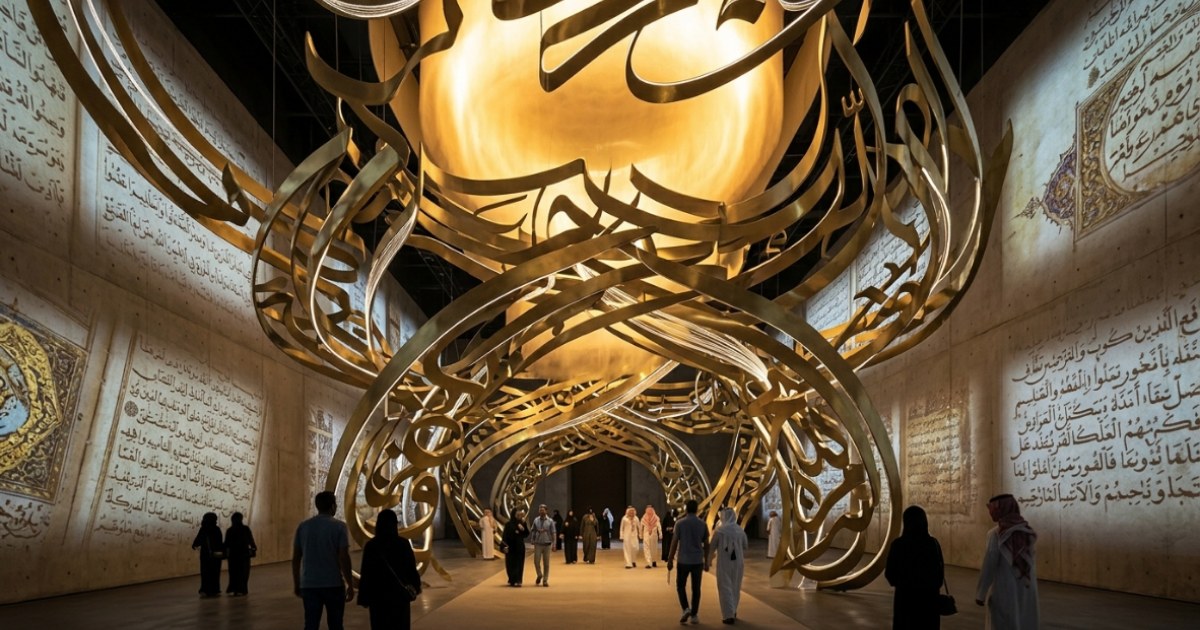
The historic Hajj Terminal at King Abdulaziz International Airport in Jeddah transformed into a vibrant cultural hub on Thursday as the second edition of the Islamic Arts Biennale 2026 officially opened its doors. This global event brings together a diverse array of contemporary works by Muslim artists and centuries-old historical artifacts under one roof. This year`s theme, "Awwal Bait" (The First House), serves as a spiritual reference to the Holy Kaaba and the central role it plays in the lives of Muslims worldwide. According to reports from Al Jazeera, the exhibition features several rare manuscripts and archaeological finds from Makkah and Madinah that have never been publicly displayed before.
The curators of the Biennale confirmed that over 300 artworks are on display, sourced from prestigious institutions such as the Qatar Museums, Kuwait’s Dar al-Athar al-Islamiyyah, and Greece’s Benaki Museum. Alongside ancient calligraphy and historic carpets, young artists from Turkey, Indonesia, and Iran are presenting digital art and large-scale sculptures. Arab News reported that this gathering is not merely an art show but a living testament to the diversity and unity of Islamic civilization. At the opening ceremony, the Saudi Minister of Culture noted that the event is a significant pillar of the Vision 2030 initiative, aiming to establish Jeddah as a premier destination for global fine arts.
A dedicated section of the exhibition showcases older pieces of the Kiswa (the cloth covering the Kaaba) and detailed photographs documenting the various historical stages of Makkah’s expansion. Visitors have the opportunity to witness the evolution of Arabic calligraphy and the intricate geometric patterns of Islamic architecture. The organizers anticipate that the three-month-long event will draw approximately 10,000 visitors daily. Advanced technology, including virtual reality experiences, allows attendees to virtually step back in time and experience the atmosphere of ancient Makkah, a feature that has particularly captivated younger audiences.
Art critics suggest that the 2026 Biennale is poised to redefine the global perception of Islamic art. By merging spiritual themes with modern canvas techniques, the event demonstrates how faith can be expressed through contemporary aesthetic movements. One participating artist from Egypt remarked that the Biennale provides a world-class stage for heritage that is often overlooked in mainstream Western art circles. As international tourists begin to arrive in Jeddah, local authorities have increased security and logistics around the airport district. For art enthusiasts and cultural historians alike, the 2026 Islamic Arts Biennale stands as a landmark event in the global arts calendar.