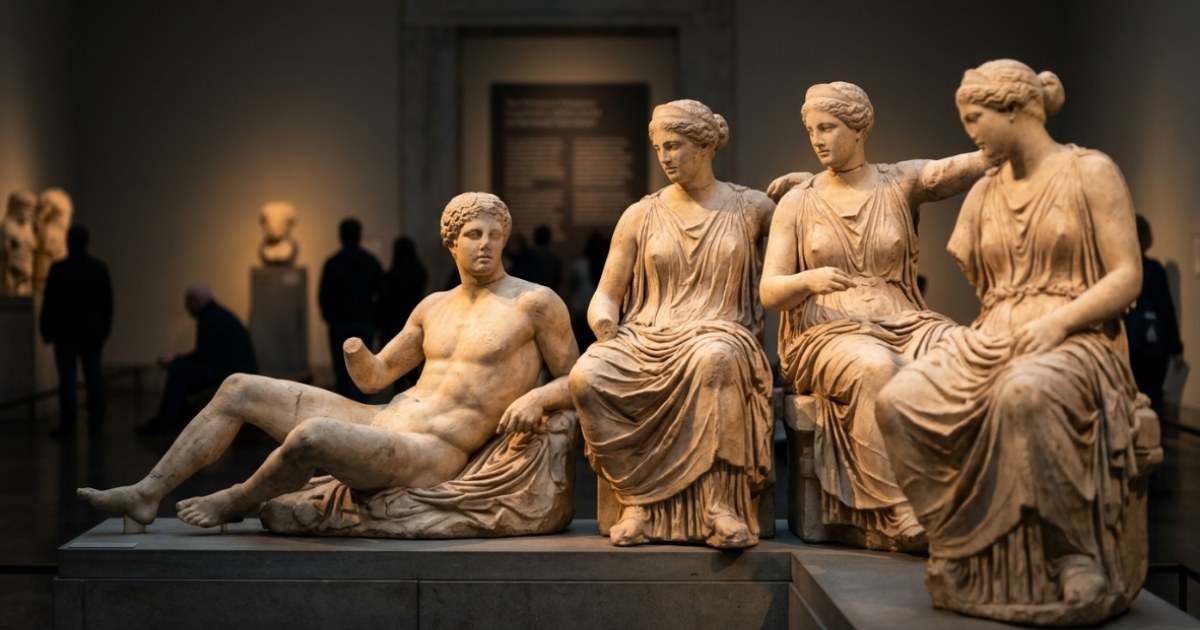
The long-standing cultural deadlock between the British Museum and Greece over the Parthenon Marbles may finally be approaching a resolution. Reports from Reuters and BBC News suggest that both parties are engaged in advanced discussions to establish a cultural partnership that could see the 2,500-year-old sculptures return to Athens after more than two centuries in London. This potential breakthrough marks a significant shift in one of the most high-profile museum disputes in history.
The Parthenon Marbles, also known as the Elgin Marbles, comprise about half of the surviving sculptures from the Parthenon temple in Athens. They were removed in the early 19th century by Lord Elgin, a British diplomat, and subsequently sold to the British government. While the British Museum has long maintained that the acquisition was legal under the Ottoman authorities of the time, Greece has consistently argued that the artifacts were looted and should be repatriated as a matter of national identity.
George Osborne, the chairman of the British Museum and former UK finance minister, has been at the forefront of the recent negotiations with Greek Prime Minister Kyriakos Mitsotakis. The proposed framework involves a long-term loan agreement rather than a permanent transfer of ownership. Under this arrangement, some of the sculptures would be sent to the Acropolis Museum in Athens in exchange for other rare Greek artifacts being loaned to London for temporary exhibitions.
Despite the optimistic tone of the talks, significant legal and political hurdles remain. The British Museum Act of 1963 currently prohibits the institution from permanently deaccessioning objects from its collection. Any deal would likely require a creative legal workaround that satisfies Greek demands for the sculptures` presence in Athens without forcing the British government to amend existing laws. The Greek government, however, has stated that while it is open to cooperation, its ultimate goal remains the full and permanent reunification of the marbles.
The outcome of these negotiations is being closely watched by the global arts community. A successful agreement over the Parthenon Marbles could set a massive precedent for other Western museums holding colonial-era artifacts. In recent years, institutions across Europe have faced increasing pressure to return items such as the Benin Bronzes to their countries of origin. The return of the marbles would symbolize a new era of cultural diplomacy and the recognition of indigenous rights to historical heritage.
In Athens, the Acropolis Museum has a dedicated gallery specifically designed to house the entire frieze, with the missing sections currently represented by plaster casts. The return of the originals would complete the artistic narrative of the Parthenon temple within its original geographic context. Greek officials have expressed cautious optimism, noting that while the road to a final agreement is complex, the current momentum is unprecedented.
The British Museum has characterized the ongoing discussions as constructive, aiming to find a way for the sculptures to be enjoyed in both Athens and London. Critics of the potential deal worry about the loss of one of London’s greatest treasures, while supporters argue that it is time to rectify historical grievances. As the dialogue continues, the world awaits a formal announcement that could redefine the relationship between ancient heritage and modern museum practices.