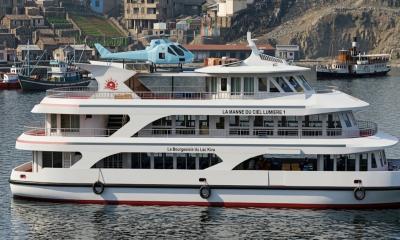
The World Health Organization (WHO) has stepped forward to address rising global concerns regarding a localized outbreak of Hantavirus on a cruise ship. On Friday, May 8, 2026, the international health body confirmed that six individuals have tested positive for the virus following an incident on a vessel traveling near South America. Among those infected, three fatalities have been reported. Despite the gravity of these deaths, the WHO was quick to reassure the public that this event does not signal the start of a new global pandemic similar to COVID-19, emphasizing that the risk remains localized and manageable.
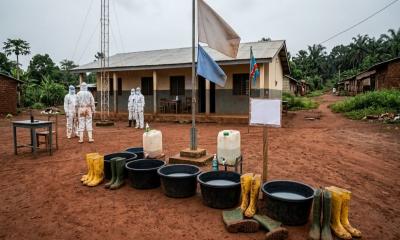
According to the official statement, the laboratory-confirmed cases involve a specific strain known as the Andes virus. The outbreak is currently confined to a single cruise ship named "MV Hondius." In response to the cluster of cases, authorities have implemented strict health protocols on board, including a mandatory mask mandate for all passengers and crew. Healthcare workers and staff members who come into direct contact with suspected patients have been advised to use high-grade personal protective equipment (PPE) to prevent further transmission within the vessel`s confined environment.
Maria Van Kerkhove, a prominent infectious disease expert at the WHO, explained during a press briefing that the transmission dynamics of Hantavirus differ significantly from respiratory viruses like COVID-19 or influenza. She noted that Hantavirus does not spread easily through the air over long distances; instead, it typically requires very close personal contact with an infected individual or exposure to the excreta of infected rodents. Van Kerkhove emphasized that the current situation is not a repeat of the global health crises seen in previous years, but rather a contained public health event linked to a specific travel itinerary.
Preliminary investigations suggest that the source of the infection may be linked to land-based activities. A couple among the infected individuals had recently participated in a bird-watching excursion in rural areas of Argentina, Chile, and Uruguay. Health officials believe they may have visited locations where specific rodent species known to carry Hantavirus are prevalent. WHO Director-General Tedros Ghebreyesus confirmed that the organization is working in close coordination with Argentine health authorities to conduct a thorough epidemiological investigation to trace the exact movements of the passengers and the timeline of the infection.
While experts acknowledge that additional cases may emerge as monitoring continues among the passengers of the MV Hondius, they maintain that the overall public health risk to the general population is low. Hantavirus outbreaks are historically sporadic and do not possess the biological characteristics required to cause rapid, large-scale community transmission in urban settings. Nevertheless, the WHO has advised travelers to exercise caution when visiting rural or forested areas in South America, particularly by avoiding contact with rodents and ensuring proper hygiene. The ship remains under specialized observation as medical teams continue to prioritize the safety of those on board.