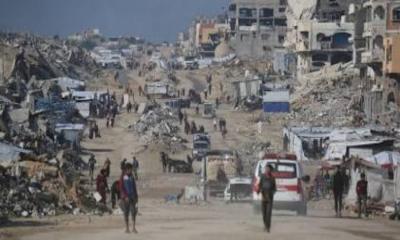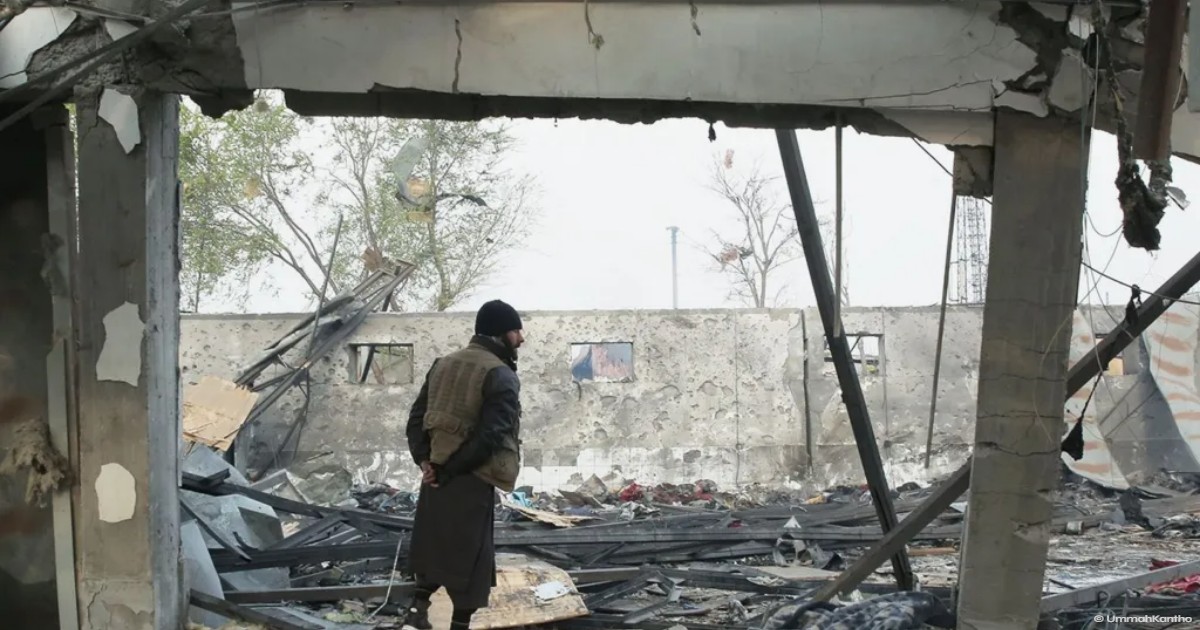
On a cold and rainy morning in Kabul, the silence of a hillside cemetery is broken only by the quiet sobs of Masooda, a 27-year-old woman searching for her brother`s resting place. Her younger brother, Mirwais, was one of the at least 269 victims of a devastating Pakistani airstrike that targeted the Omid Drug Rehabilitation Hospital on March 16, 2026. A United Nations report released on Tuesday has confirmed the staggering death toll, making it the deadliest attack in Afghanistan`s recent memory. The scale of the tragedy is so profound that many bodies were reduced to dismembered parts or burned beyond recognition, forcing families to bury their loved ones in a mass grave marked by simple granite slabs and white stones.
Masooda’s story is a harrowing testament to the human cost of the escalating tensions between Pakistan and Afghanistan. Mirwais, who was studying to be a pharmacist before falling into addiction to a synthetic drug known as `Tablet-K`, had only been at the center for ten days when the bombs fell. Masooda identifies her brother`s torso through a birthmark, as there was barely anything left of him to retrieve. While Pakistan claims it was targeting "terrorist infrastructure," families of more than 30 victims, including patients and hospital staff, vehemently reject these claims. They describe the site as a place of healing, not a military camp, where sons and brothers were admitted to recover and return to their families.
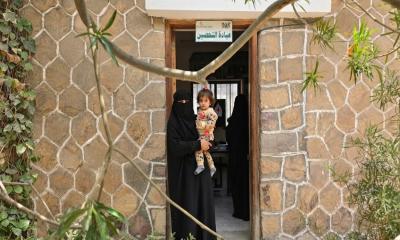
The Omid Drug Rehabilitation Center was located within the former military compound known as Camp Phoenix, once used by US and NATO forces. However, the facility has operated as a civilian drug treatment center since 2016 and was well-known to both domestic and international media. Fiona Frazer, the UN representative for Human Rights in Afghanistan, noted that the hospital was located just one kilometer away from the main UN offices and received humanitarian support from various agencies. The systematic nature of the strike, which involved three bombs hitting hangar-like structures and administrative offices, suggests a deliberate targeting of the facility despite its recognized civilian status.
According to a doctor who survived the night of the attack, the first bomb struck at approximately 20:50 local time, hitting the housing for newly admitted patients. The subsequent two bombs targeted shipping containers and wooden blocks that served as patient quarters and staff offices. The resulting fire, fueled by the wooden structures, was catastrophic. The UN report highlights that the leading cause of death was shrapnel wounds and severe burns. Human Rights Watch has officially labeled the incident an "unlawful attack and a possible war crime," urging an international investigation into the conduct of the Pakistani military operations within Afghan sovereign territory.
The broader geopolitical context involves a months-long conflict between Islamabad and the Taliban government. Pakistan accuses the Taliban of providing sanctuary to militants who carry out cross-border attacks, a charge that Kabul denies. This cycle of violence has claimed hundreds of lives this year, but the massacre at the Omid rehab center stands out for its unprecedented civilian toll. For the people of Kabul, the irony is bitter: a generation of young men trying to escape the grip of drug addiction has been wiped out by a regional power struggle. The tragedy has shocked a nation already deeply familiar with decades of war, raising urgent questions about the lack of civilian protection.
As Masooda stands before the mass grave, her anger is directed at the lies she believes are being told about her brother’s death. Mirwais was not a combatant; he was a simple boy who had made a mistake and was seeking a second chance. The death of Mohammad Anwar Walizada, another patient admitted just four days before the strike, mirrors this tragedy. These were individuals caught in the crossfire of a political deadlock that shows no sign of easing. The international community is now being called upon to hold the perpetrators accountable, as the Omid hospital massacre leaves a permanent scar on the landscape of Kabul and the hearts of its people.