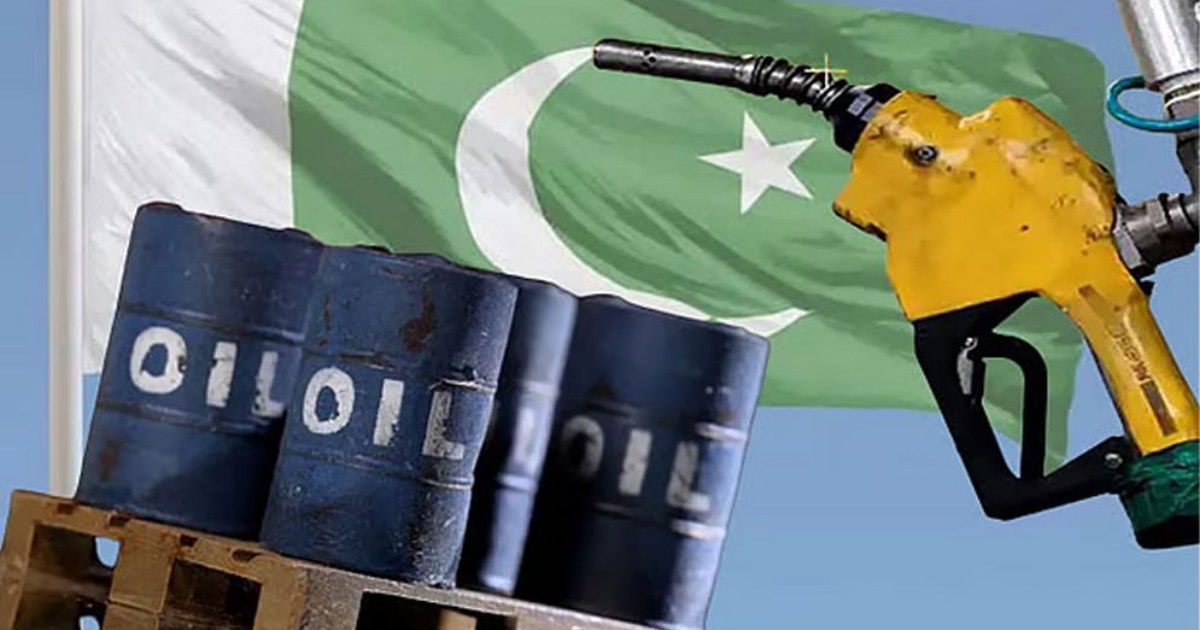
The government of Pakistan has dealt another heavy blow to its citizens by significantly increasing fuel prices amid a deepening economic crisis. Effective from Saturday, May 9, 2026, the prices of petrol and diesel have been raised by up to 15 PKR per liter. According to a report by Samaa TV, the Petroleum Division issued a notification late Friday night, formalizing the price hike. This decision is expected to place immense pressure on the common man, who is already struggling with unprecedented levels of inflation and a rising cost of living.
Under the new notification, the price of petrol has been increased by 14.92 PKR per liter, bringing the new rate to 414.78 PKR. High-speed diesel, which is essential for the country’s transport and agricultural sectors, saw an even larger hike of 15 PKR, now costing 414.58 PKR per liter. This marks the second time within just ten days that the government has adjusted fuel prices upward, reflecting the severe volatility in the international oil market and the fragile state of Pakistan’s domestic economy.
The previous price adjustment occurred on April 30, where petrol was increased by 6.51 PKR and high-speed diesel by 19.39 PKR. The cumulative effect of these rapid increases is likely to trigger a ripple effect across all sectors of the economy. Economic analysts warn that such frequent adjustments will further escalate the inflation rate, which is already among the highest in the region. The skyrocketing cost of fuel directly impacts transportation charges, which in turn leads to a surge in the prices of essential commodities like food and medicine.
Pakistan’s agricultural industry is particularly vulnerable to the hike in high-speed diesel prices. Many farmers rely on diesel-powered machinery for irrigation and harvesting. As operational costs rise, the price of agricultural produce is expected to follow suit, further straining the budgets of average households. Moreover, the public transport sector is likely to see another round of fare increases, making daily commuting more difficult for students and low-wage workers. The government’s move is seen as a necessary but painful step to meet international financial obligations and reduce the fiscal deficit.
Currently, the Pakistani administration is navigating a difficult path to satisfy the conditions laid out by the International Monetary Fund (IMF) while trying to maintain social stability. The devaluation of the Pakistani Rupee against the US Dollar and high global oil prices remain the primary drivers of these frequent price revisions. While the government maintains that these measures are essential for the country’s long-term economic recovery, the short-term impact on the general populace is becoming increasingly difficult to bear. As global tensions continue to affect energy supplies, the future of fuel pricing in Pakistan remains highly uncertain.