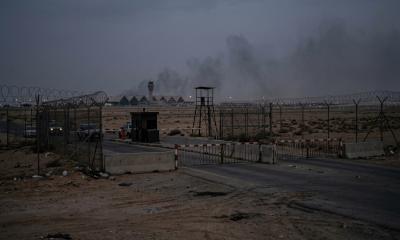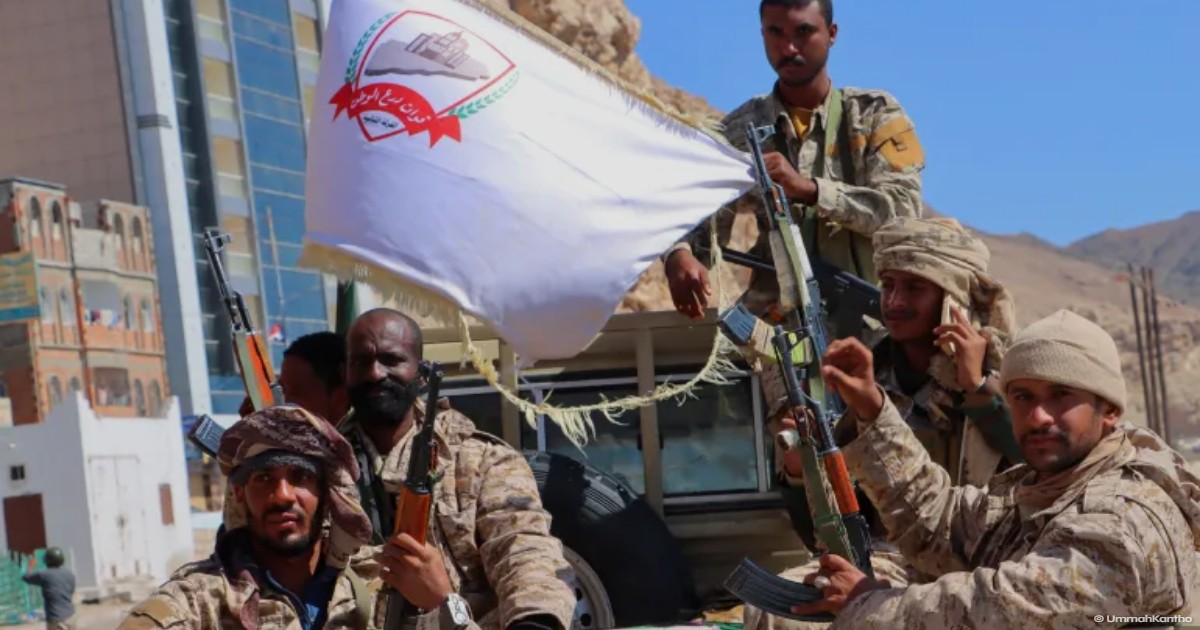
Deep inside a military facility on the outskirts of Marib, Suleiman al-Hajj sits with his comrades in a room that serves as their temporary home. Instead of discussing battlefield tactics his attention is glued to his mobile phone. He is sending a flurry of messages in search of a loan as yet another salary payment from the Yemeni army is delayed. This scene has become a recurring nightmare for the personnel of Yemen’s internationally recognized government forces where the stresses of war are compounded by the crushing weight of financial insecurity.
The numbers reveal a stark reality for the defenders of the state. Regular Yemeni army personnel earn between 60,000 to 180,000 Yemeni riyals per month—a sum that translates to a meager $38 to $116 according to current exchange rates. According to military sources cited by Al Jazeera the regular army consists of approximately 180,000 to 220,000 personnel. However only about 30 to 40 percent of these forces are deployed on the actual front lines while the remainder handle support and guard duties. Despite the critical nature of their mission the value of their compensation is being eroded by a plummeting national currency.
The administrative burden is equally heavy. The government allocates a monthly budget of roughly 36 billion riyals ($23.2 million) for the army with a significant portion dedicated to the Fourth Military Region in Aden. Yet for the soldiers on the ground this budget remains a distant statistic. One officer recently noted that his troops have not received their salaries since December. While the government has hinted that arrears might be cleared by late May—ahead of the Eid al-Adha holiday—the lack of certainty has left many families in a state of desperation.
The roots of this crisis lie in the prolonged conflict with Houthi rebels which began in 2014. As the war transitioned into an economic struggle both sides have targeted vital revenue streams leaving the government strapped for cash and struggling to maintain basic services. This liquidity shortage has directly impacted the Defense Ministry’s ability to distribute wages consistently. Officials often cite these financial constraints and declining resources as the primary reason for the delays but promises of improvement have yet to manifest in the soldiers’ pockets.
A growing concern among military analysts like Iyad al-Masqari is the disparity between the regular army and non-regular military formations. Units such as the Security Belts and Giants Brigades often receive higher and more consistent pay with some fighters earning up to $320 per month. This pay gap threatens to drain the national army of its most experienced fighters as soldiers may feel compelled to join irregular units simply to feed their families. The potential loss of discipline and morale within the national ranks is a strategic risk the government can ill afford.
Economic experts also warn of the ripple effect on local economies. In front-line cities like Marib and Taiz traders rely heavily on the spending power of soldiers. When salaries are delayed economic activity slows to a crawl impacting small businesses and civilian life. For soldiers like Suleiman al-Hajj the struggle is no longer just against an armed insurgency. It is a battle against the rising cost of living and a government system that struggles to provide for its most essential protectors. Until the wage crisis is resolved the Yemeni army remains vulnerable to a collapse from within fueled by poverty and neglect.