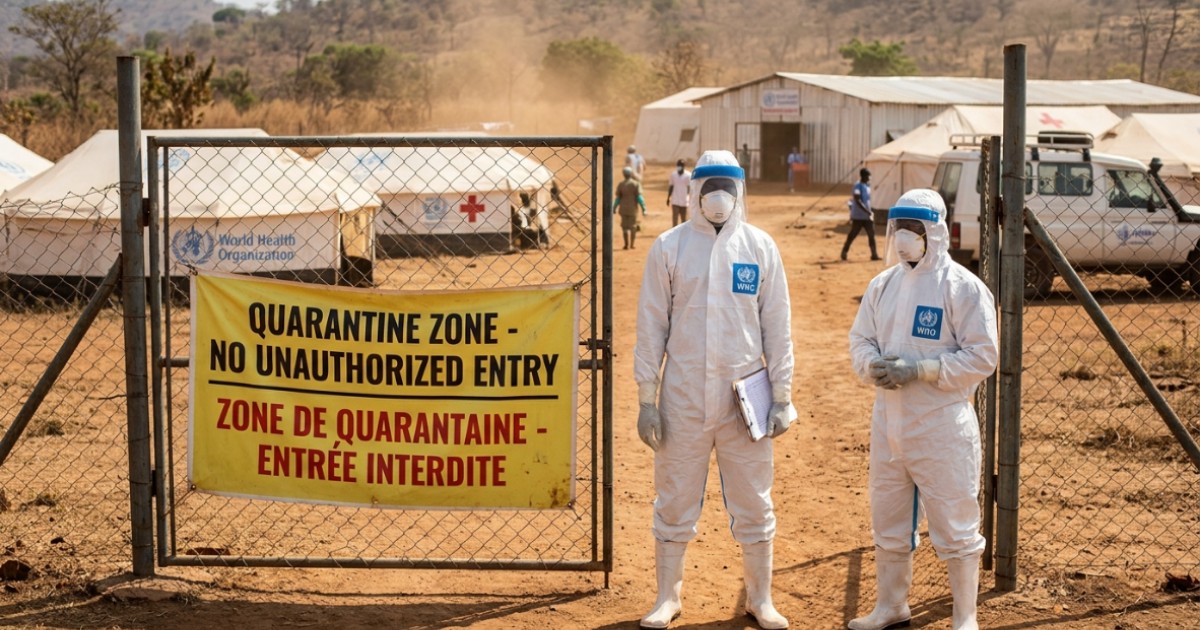
Medical scientists and international health experts are actively utilizing critical strategies from the historic West African epidemic to manage the rapidly expanding Ebola outbreak response in the Democratic Republic of Congo. While this marks the 17th documented occurrence of the virus inside the country since its initial discovery half a century ago in 1976, it represents only the third global surge of the incredibly rare Bundibugyo species. The escalating health crisis in eastern DR Congo vividly revives haunting memories of the catastrophic devastation witnessed a decade ago across Guinea, Liberia, and Sierra Leone, where over 11,000 lives were lost within two years.
According to the latest official situation reports provided by the World Health Organization, more than 170 fatalities have already been confirmed in the current outbreak.The management of this specific emergency is uniquely challenging because the rare Bundibugyo species possesses absolutely no approved vaccine or validated medical treatment.
Patrick Faley, a prominent Ebola survivor from Liberia, recently shared his deeply harrowing personal testimony regarding the grim realities of the historic West African crisis. Faley was originally recruited as a dedicated community healthcare volunteer by the Liberian Ministry of Health to spread vital awareness across remote rural settlements. He traveled from village to village educating local populations on how the virus spreads via bodily fluids, while simultaneously advising them to suspend traditional mourning practices like washing the deceased.
However, while attending the emotional funeral of a close professional colleague, Faley momentarily forgot his own safety instructions due to grief and engaged in traditional handshakes and embraces. Within three days of the gathering, he developed severe symptoms, transitioning abruptly from a frontline healthcare worker into a critical patient.
Upon his forced transfer to an overcrowded, overflowing medical ward in the capital city of Monrovia, he witnessed dozens of individuals succumbing to the virus inside incoming ambulances. Although Faley eventually survived the grueling infection, both his wife and his four-year-old son, Momo, subsequently contracted the lethal pathogen. His wife managed to recover after an intense clinical battle, but their young son tragically passed away inside the containment facility.
The traumatic communal lessons extracted from that historic West African tragedy are directly shaping the modern administrative decisions implemented by regional authorities to ban traditional burials for suspected infections.
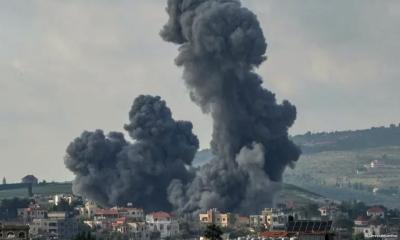
However, these strict administrative prohibitions have sparked severe civil unrest and violent resistance among several local Congolese communities. On Thursday, an angry crowd deliberately set fire to a prominent section of a medical facility near the epidemic epicenter in the city of Bunia after officials refused to release a deceased relative`s body for traditional burial.
Dr. Patrick Otim, the World Health Organization’s area manager for Africa, emphasized that containing lethal epidemics cannot be achieved through isolated clinical interventions alone. He stated that securing community trust, engaging local leadership, and providing dignified substitute burials are just as vital as establishing advanced laboratories or containment wards. Any initial delays in early detection and patient isolation can allow the hidden transmission chains to expand exponentially across the broader geographic territory.
Professor Thomas Geisbert, speaking from his specialized laboratory at the University of Texas Medical Branch, explained that a vaccine`s efficacy against one specific viral strain does not guarantee protection against an alternate species. While highly effective vaccines were successfully deployed to curb previous epidemics caused by the Zaire strain, they offer no defense against the Bundibugyo pathogen.
In the absence of a verified pharmaceutical cure, rapid diagnostic isolation and robust quarantine protocols remain the primary defenses available to healthcare teams. Global health organizations urge for immediate structural collaboration with local religious and tribal authorities to effectively break the ongoing transmission cycle before it reaches urban centers.