As Eid-al-Adha approaches, households across the country are preparing for the Qurbani season. From purchasing livestock to the slaughtering process, every step requires strict adherence to hygiene and scientific guidelines to ensure optimal health and nutrition. Professor Dr. Md. Abul Kalam Azad from the Department of Animal Science at Bangladesh Agricultural University (BAU) recently shared expert insights on selecting and preserving meat.
The process of meat preservation is scientifically complex.
Professor Azad explains that the meat consumed shortly after slaughter is not yet "true meat" in the biological sense; it is merely muscle. Without proper handling and temperature control, the carcass cannot undergo the necessary transformation. Proper processing is essential to convert these fibers into a form that is digestible and nutritionally complete for the human body.The conversion of proteins requires specific timing.
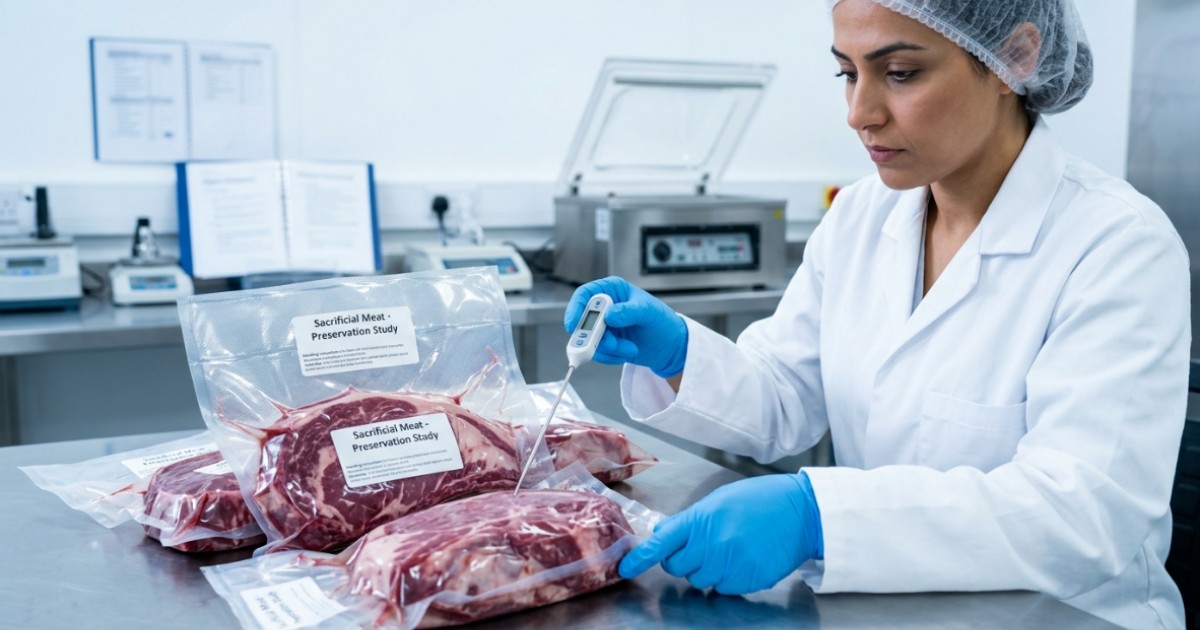
Upon slaughter, the animal`s body temperature is approximately 40°C. Since the human body cannot directly assimilate the raw proteins found in muscle, these must break down into amino acids. Holding the carcass at a controlled temperature of 4°C for 24 hours facilitates this transformation. Skipping this maturation process results in meat that lacks its full potential in flavor and nutritional value.Rapid temperature changes can cause meat to lose its texture.

When the internal temperature of the meat drops too abruptly, the muscle fibers contract, causing moisture to be squeezed out during cooking. This results in tough, dry meat. To ensure tenderness, the meat should be rested at 4°C for several days. This resting period allows moisture to re-absorb into the fibers, significantly improving the final quality of the cooked meat.
Immediate freezing in a deep freezer is often counterproductive.
Professor Azad advises against placing fresh meat directly into an -18°C deep freezer. Instead, meat should first be refrigerated at 4°C for 24 to 48 hours to allow natural biochemical changes to stabilize the quality. Once this stage is completed, the meat can be moved to a deep freezer for long-term storage, lasting up to a year without compromising its structural integrity or nutritional benefits.