Achieving optimal physical health and long-term well-being does not necessarily require intensive, hours-long sessions at a fitness training center. A massive collaborative data analysis involving over one hundred fifty thousand adults across the United States, United Kingdom, and Scandinavia has revealed groundbreaking insights into human longevity. The comprehensive findings indicate that introducing slight modifications to daily routines can yield major survival advantages for the general population.
Incorporating just five minutes of daily exercise can substantially reduce the risk of facing a premature death.
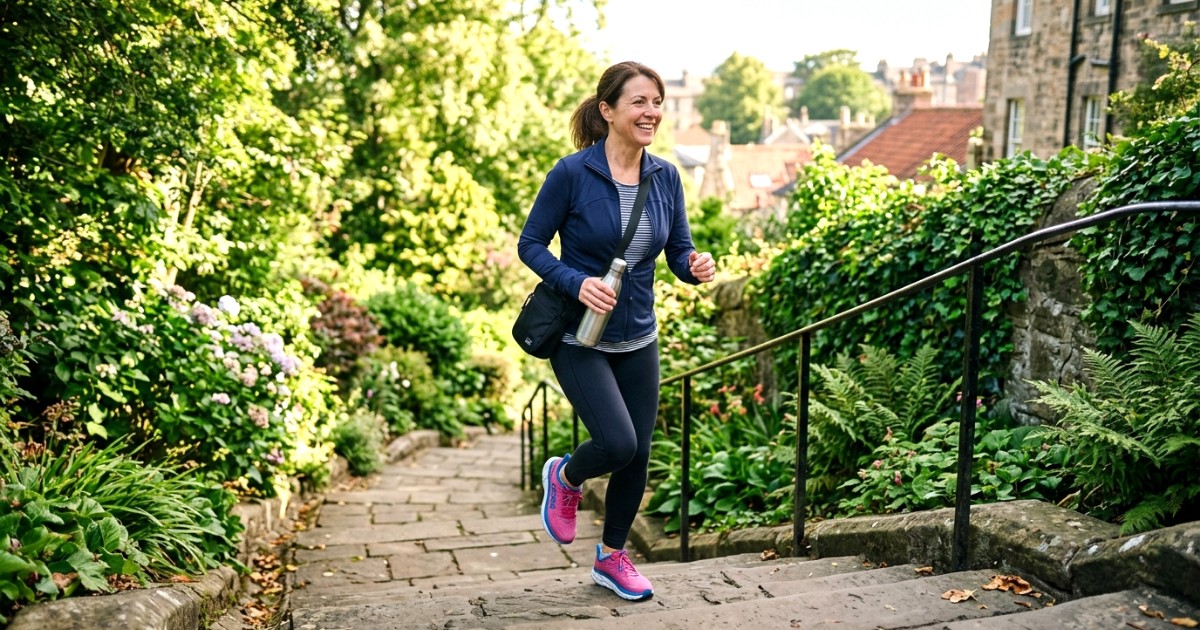
Medical experts noted that brief intervals of moderate physical movement—such as brisk walking, casual cycling, or climbing residential stairs—can actively prevent roughly one in ten early deaths globally. Professor Ulf Ekelund, the lead author of the study from the Norwegian School of Sport, explained that even micro-adjustments in physical movement generate massive public health advantages when observed on a population-wide scale. While this baseline does not imply that a single five-minute session covers all fitness needs, it represents an immense step forward compared to complete physical inactivity.
Public health organizations, including the World Health Organization, continue to urge adults to target at least one hundred fifty minutes of moderate-intensity activity each week. However, for individuals who struggle to maintain traditional gym memberships due to professional or domestic constraints, short bursts of motion provide a highly practical alternative. The study concurrently noted that cutting daily sitting times by just thirty minutes correlates with a seven percent reduction in early mortality rates, addressing a critical factor behind chronic cardiovascular illnesses.
This practical approach to fitness is widely termed "exercise snacking," which involves dispersing brief, manageable bursts of movement throughout the day rather than completing one continuous routine. These activities can easily include intense household vacuuming, active stretching while waiting for meals to cook, or taking the stairs instead of an automated lift. Exercise physiologists state that these short routines are highly effective because they continuously stimulate the human metabolic engine, keeping it running at a slightly faster pace even during recovery windows.
Behavioral medicine specialists at Loughborough University suggest that transforming these micro-activities into subconscious habits is the key to achieving sustainable physical change over time. Simple behavioral prompts, such as parking personal vehicles a short distance from office destinations or choosing the stairs by default, create steady physical benefits. Furthermore, separate tracking data shows that walking fewer steps than the traditional ten thousand benchmark can still lower cardiovascular vulnerabilities. Ultimately, consistency and integration into preexisting daily habits remain far more valuable than sporadic, exhausting workouts.