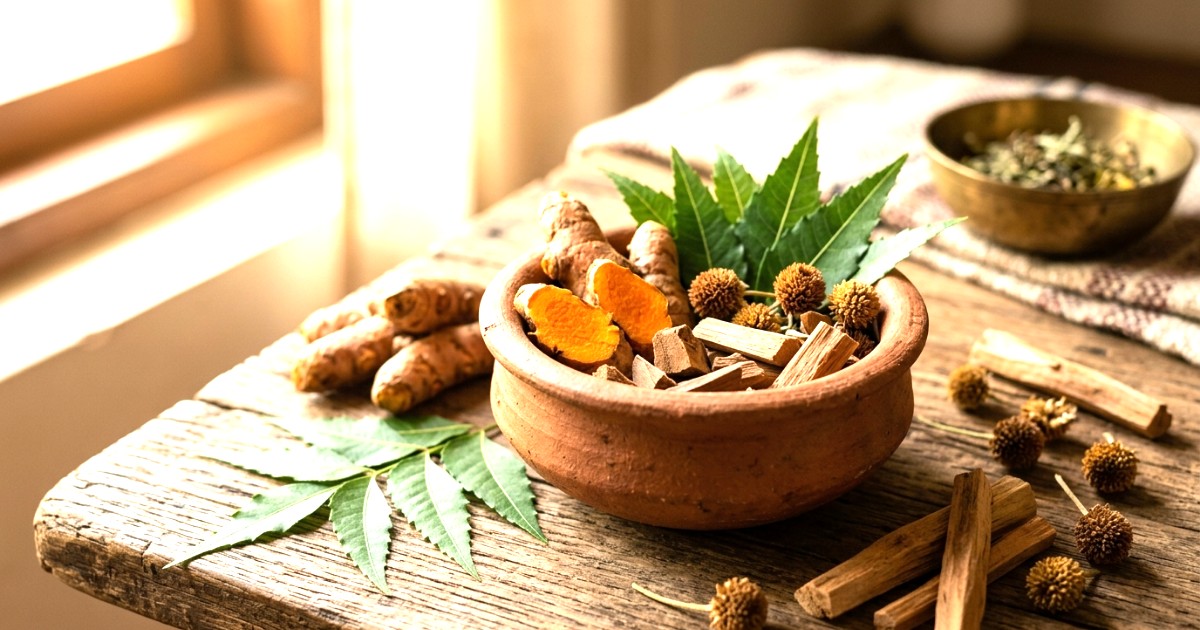
The traditional use of turmeric in culinary spaces, bitter herbal extracts like chirata for digestive regulation, and neem or sandalwood for skin preservation are not merely domestic routines but core elements of ancient medicine. Even amidst the rapid advancements of modern synthetic pharmaceuticals, global interest in traditional Ayurveda treatment is experiencing a significant resurgence among health-conscious demographic sectors. Medical experts emphasize that this natural methodology functions not merely as a temporary cure for diseases, but as a holistic system designed to restore permanent equilibrium between the human body, mind, and daily environmental factors.
This ancient healing system originated within the Indian subcontinent over 5,000 years ago.
The practices remain deeply embedded in the historical and contemporary healthcare traditions of countries like Bangladesh, India, and Pakistan. This organic discipline utilizes specialized medicinal herbs, roots, leaves, flowers, and pristine botanical components to formulate remedies entirely free from toxic synthetic additives. Alongside herbal prescriptions, the system incorporates structured yoga, meditation, and therapeutic oil massages as vital structural components of the healing framework. According to established holistic principles, the primary cornerstone of maintaining optimal human health relies directly upon a balanced daily diet.
Improper dietary habits trigger underlying systemic imbalances, making proper digestion and nutritional intake the primary focus of this holistic discipline. In recent years, an increasing global preference for side-effect-free preventative care has accelerated public trust in plant-based alternatives. This structural shift has led to the establishment of dedicated Ayurvedic medical colleges and institutional healthcare facilities across Bangladesh. However, healthcare practitioners caution that natural remedies are not universally risk-free and require professional supervision before implementation. Expectant mothers, infants, and individuals managing severe chronic health conditions must strictly avoid self-medication with potent herbs to prevent adverse interactions.