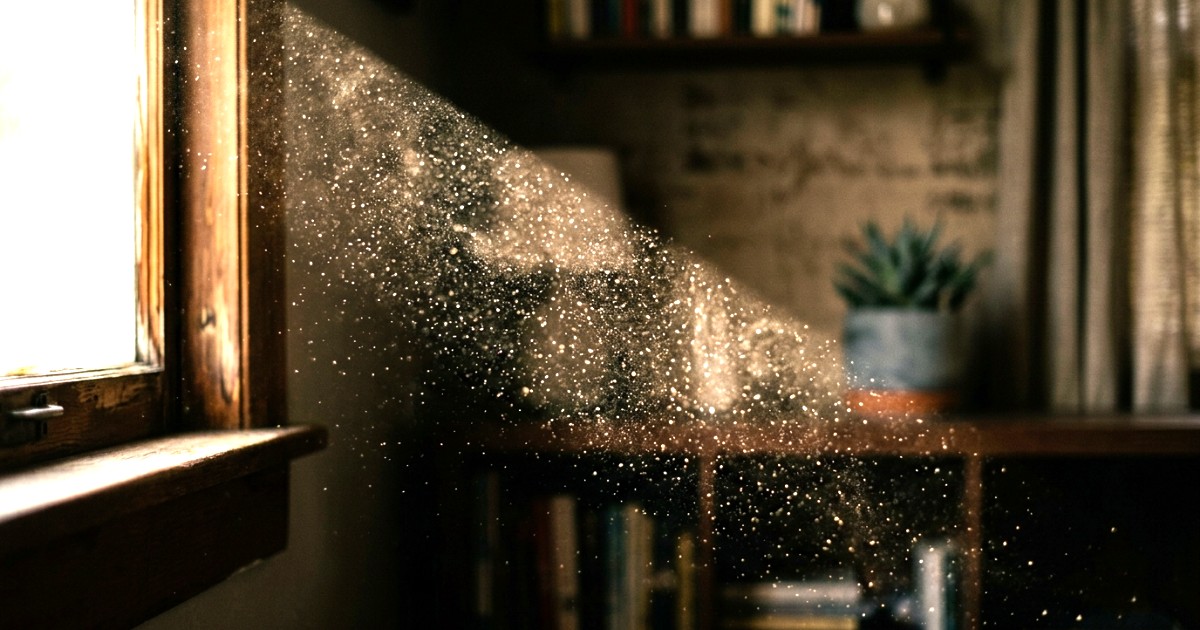
When morning sunlight streams through window gaps, countless floating particles become visible within the immediate household atmosphere. Even when rooms are kept strictly closed with minimal outdoor exposure, layers of grime systematically accumulate on tables, shelves, and electronic devices. While most people assume this residue originates entirely from outdoor pollution, scientific researchers have unveiled a surprising domestic reality. A massive proportion of indoor dust is generated directly from shedding human dead skin cells rather than external soil or debris.
Studies show that a single human body sheds approximately 200 million dead skin cells every hour.
The human integumentary system continuously regenerates itself through a systematic biological cycle. New cells constantly develop within the deeper layers of the epidermis and gradually migrate toward the surface over time. Eventually, older cells expire and naturally separate from the body during standard daily activities such as walking, sleeping, or changing clothes. These microscopic particles aggregate across beds, couches, and carpets, forming the dense accumulation commonly identified as indoor dust. This mechanical shedding process creates a consistent structural baseline for the internal environment of any inhabited building.
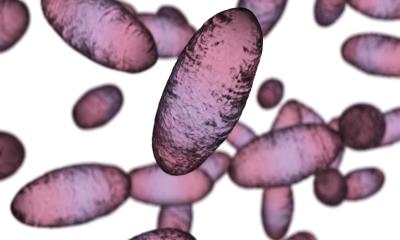
This continuous accumulation of microscopic debris sustains an entire invisible ecosystem within residential homes. Microscopic organisms known as dust mites thrive inside mattresses, pillows, and carpets specifically to consume these discarded skin fragments. While their presence often triggers concern regarding household cleanliness, biologists classify them as natural biological cleaners that actively remove organic waste from the ecosystem. Therefore, their unnoticeable presence performs a critical environmental filtration service that keeps organic debris from piling up indefinitely.
Interestingly, this discarded biological material also performs an active chemical role in purifying indoor air.
Human skin naturally secretes an organic compound known as squalene oil to maintain hydration and protect the external tissue framework. Residual amounts of this specialized oil remain bound to the expired cells even after they separate from the body, allowing them to interact chemically with indoor gases. According to verified data published by the American Chemical Society, this squalene-rich biological debris reduces indoor ozone pollution by up to 15 percent. By absorbing this harmful gas, the shedding cycle indirectly purifies the air and makes the domestic environment safer for human lungs.