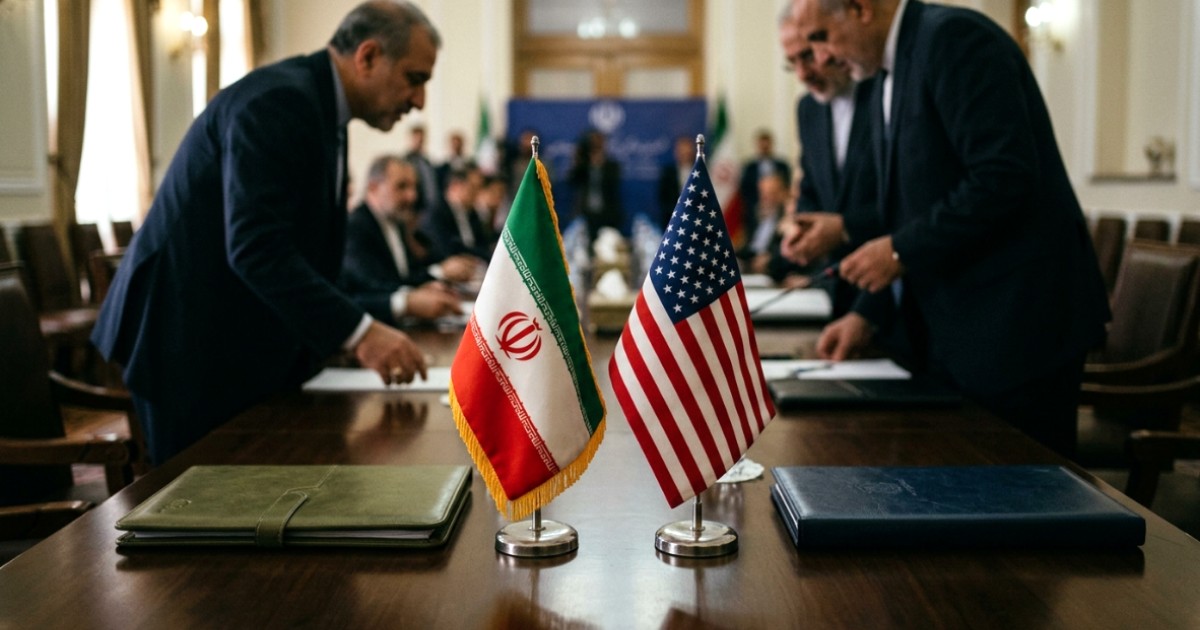
The government of Iran has officially formulated a comprehensive regional peace blueprint, presenting a series of rigorous statutory demands to the United States administration as prerequisites for establishing a structural ceasefire. The unexpected diplomatic framework has introduced a fresh layer of political friction across international defense sectors. Iranian Deputy Foreign Minister Kazem Gharibabadi formalized the publication of the state conditions on Tuesday, initiating an complex baseline that global tracking networks describe as highly sensitive for Washington`s current foreign policy directive.
The newly processed geopolitical demands directly challenge long-standing Western military strategies throughout the Persian Gulf.
According to verified transcripts confirmed by Reuters, the primary clause requires an immediate, synchronized cessation of all active military maneuvers across all active fronts in the Middle East, including localized conflicts in Lebanon. Concurrently, Tehran mandates the absolute withdrawal of all United States military personnel and secondary hardware assemblies from territories encircling the Islamic Republic. The framework further demands that Washington alongside its regional partners distribute comprehensive financial reparations to cover infrastructure destruction accumulated throughout the conflict cycle. Furthermore, the incoming mandate dictates the immediate termination of all unilateral economic sanctions paired with the total release of Iranian sovereign financial assets frozen across international banking registries.
Defense administrators in Tehran specified that any eventual bilateral accord remains strictly contingent upon the removal of the active United States naval blockade restricting commercial transit pathways throughout the Persian Gulf. International relations experts note that accepting such structural provisions remains politically unviable for US President Donald Trump, who recently designated a previous Iranian ceasefire draft as completely unworkable. The current documentation verifies that the Iranian ministry has sustained an unyielding position, introducing no major concessions relative to prior sovereign frameworks.
The current diplomatic escalation materializes short intervals after Trump asserted via his proprietary Truth Social network that a major offensive air operation against Iranian infrastructure targets had been finalized. The US commander-in-chief claimed that the tactical deployment was suspended at the final moment following direct requests from regional Gulf allies including Saudi Arabia, Qatar, and the United Arab Emirates. While Trump hinted that subsequent diplomatic communications might yield an alternative regulatory pact, the rigidity of the latest announcements from the side of the Iranian ministry complicates immediate de-escalation models.
The current institutional standoff places the bilateral relationship in an unstable position where background diplomatic channels remain vulnerable to sudden kinetic escalations on the ground. Pentagon defense teams continue to evaluate the evolving regional posturing, which retains the capacity to fundamentally alter maritime insurance indexes and global energy security matrices. Because neither capital indicates a willingness to compromise on baseline sovereignty claims, the eventual survival of the peace initiative remains deeply dependent on moving military variables.