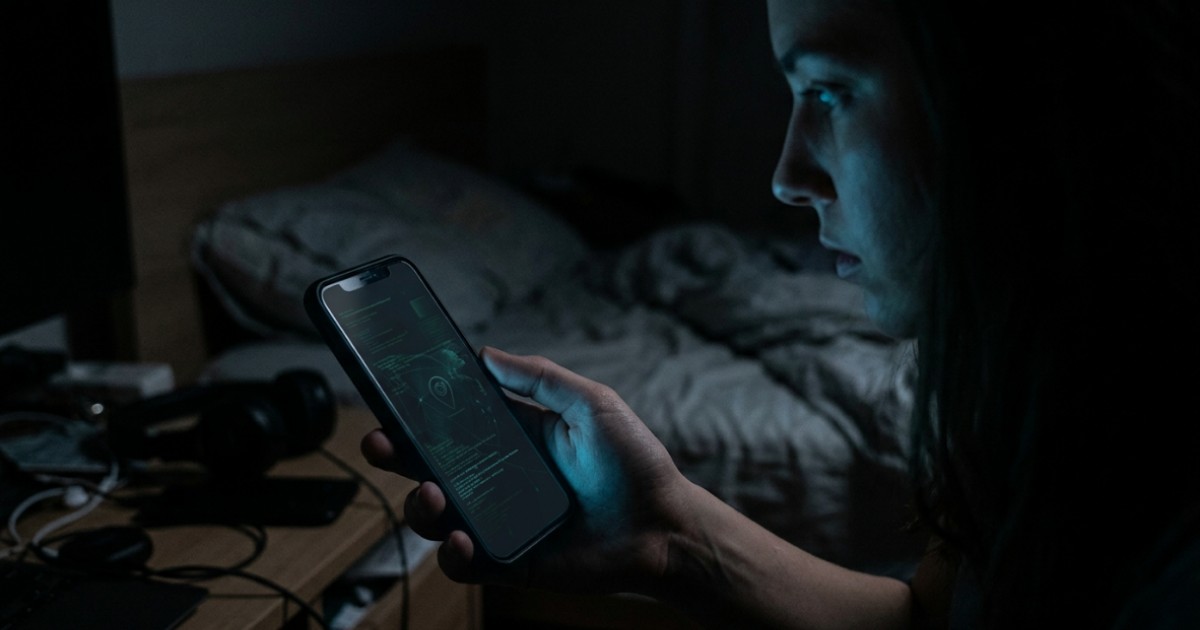
Digital harassment and secret digital surveillance are rising rapidly across global communication platforms. However, a significant portion of the adult population still fails to categorize these tracking behaviors as domestic or psychological abuse. Global cybersecurity firm Kaspersky highlighted these alarming trends in its latest international research report, pointing out a massive deficit in general public awareness.
The study indicates that nearly half of all surveyed adults have experienced some form of digital tracking.
Tech abuse typically encompasses online harassment, non-consensual device tracking, identity theft, and doxing, which involves leaking private files onto public domains. These harmful digital actions are routinely normalized or dismissed across popular social media channels. Because these violations lack visible physical evidence, victims frequently struggle to seek formal legal intervention or emotional support.
Dr. Leonie Maria Tuanzer, head of the Gender and Tech Research Lab at University College London (UCL), expressed deep concern over the statistics.
She noted that tech-facilitated abuse is still fighting for formal recognition as a serious crime within mainstream legal frameworks. Many internet users remain completely unaware of the boundaries defining cyber harassment. Consequently, a vast number of tracking experiences go entirely unreported, leaving victims without necessary institutional assistance.
According to data compiled by Kaspersky, only 32 percent of global respondents accurately understand the concept of tech abuse.
In stark contrast, 45.7 percent of participants admitted to directly experiencing these modern tracking vectors. The research specifically identifies stalkerware—malicious software secretly installed on a target`s mobile device to track real-time locations and read private messages—as a critical threat. To counter these digital vulnerabilities, UCL and Kaspersky are currently conducting joint safety workshops in multiple countries.