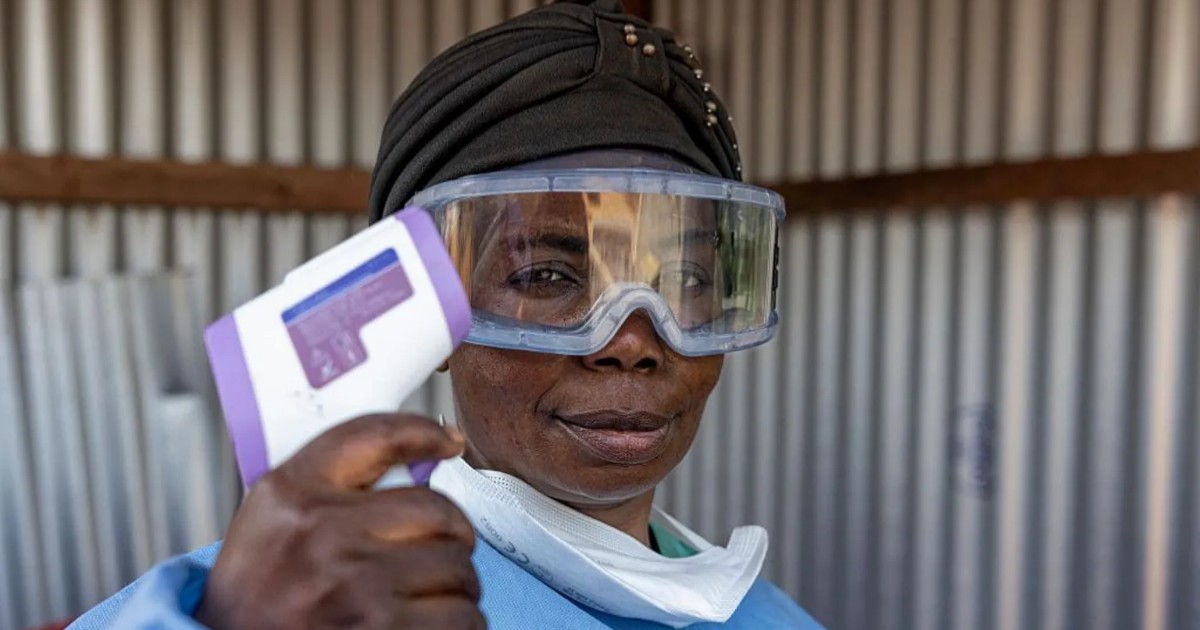
The government of the Democratic Republic of Congo banned all mass gatherings in the capital city of Kinshasa on Saturday to curb the deadly spread of Ebola, the interior minister announced, according to BBC News. Although the current outbreak remains concentrated in the eastern provinces, authorities fear the growing threat of an Ebola infection in Congo reaching the capital city of 18 million residents. The restrictive directive also applies to three other key provinces, including Tshopo, Haut-Euele, and Bas-Uele, all of which directly border the regions where active transmissions have been officially confirmed by health authorities. The sudden implementation of these emergency healthcare regulations has triggered widespread political controversy across the central African nation.
Prominent leaders from various opposition political parties have aggressively criticized the government order, alleging that the medical ban was intentionally designed to stifle an upcoming anti-government protest march scheduled for July 8. Prince Epenge, the official spokesperson for the prominent Lamuka opposition coalition, condemned the directive during an interview on Monday, labeling the decision as entirely political rather than medical. Epenge emphasized that because no active cases of Ebola have been confirmed within Kinshasa, the sweeping emergency order lacks legitimate public health justification. He urged civil society organizations and citizens to challenge the legality of the restriction.
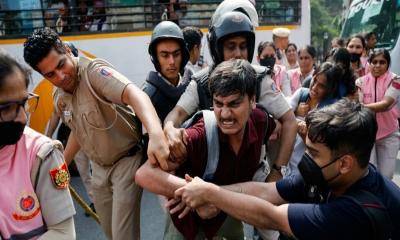
Simultaneously, Rodrigue Ramazani, the secretary-general of the opposition party Envol, urged citizens to completely ignore the official prohibition and participate in the scheduled demonstration. Ramazani stated to international reporters that the sudden decree clearly indicates a tactical political maneuver rather than a sincere public health intervention designed to protect the population. The administration has remained silent and has not issued any formal response regarding these intense criticisms from opposition organizers. The planned mass demonstration was organized by the C64 coalition, a political alliance campaigning heavily against a controversial proposed legislation that critics argue could allow President Felix Tshisekedi to bypass constitutional limits and extend his stay in power.
While local transmission has not been confirmed inside the capital city, health officials revealed that a medical doctor who recently tested positive for the virus in France had traveled directly through Kinshasa. The physician had been working closely at a specialized treatment center located at the direct epicenter of the current regional outbreak. Following the public disclosure of the doctor`s positive medical test, and to prevent a broader Ebola infection in Congo, the government ordered a mandatory 21-day quarantine for all individuals traveling from virus-affected territories to other parts of the country. According to official reports from the ministry of health, the active zone remains restricted to the eastern provinces of Ituri, North Kivu, and South Kivu, where gatherings have been heavily prohibited for several weeks.
Interior Minister Jacquemain Shabani issued the finalized directive over the weekend as newly confirmed daily cases across the affected provinces rose by 47, pushing the cumulative total of infections to 1,274. Official records indicate that the total number of verified fatalities has now reached 360 since the initial detection of the disease. The eastern province of Ituri remains the most severely impacted region, accounting for more than 90 percent of all documented infections in this latest outbreak. What remains unclear is how effectively the administration can enforce these stringent public health measures amid deepening political non-compliance, as opposition forces vow to execute their street demonstrations regardless of state penalties.