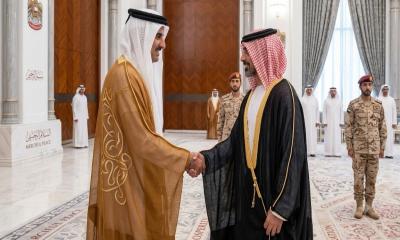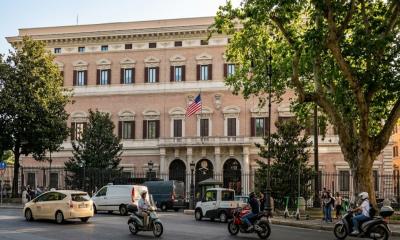
Lebanon and Israel have officially resumed diplomatic talks in Rome, with Beirut pushing for a full Israeli military withdrawal from southern Lebanon under a United States-brokered framework, Reuters and Al Jazeera reported on Tuesday. Delegations from both nations commenced two days of intense meetings at the US embassy in the Italian capital to establish practical steps for ending the prolonged conflict. Despite the diplomatic mobilization, officials from both sides have indicated that immediate expectations for rapid breakthroughs remain considerably low.
According to Lebanese official sources, relocating the diplomatic venue to Rome was a strategic move designed to enable both delegations to consult their respective central governments more efficiently during negotiations. The Lebanese presidency disclosed that President Joseph Aoun explicitly instructed his delegation to demand the immediate pullout of Israeli forces from two designated southern sectors before engaging in deeper substantive talks. The Lebanese administration views the vacuum of foreign troops as a prerequisite for any broader security arrangements.
Italian Foreign Minister Antonio Tajani confirmed on Monday that Italy offered to host these sensitive sessions to maintain international momentum toward achieving a genuine ceasefire. Speaking prior to a European Union summit in Brussels, Tajani expressed pride that the Italian capital could serve as a vital platform for global peace. The diplomatic push follows an earlier high-level meeting in Washington, DC on June 26, which drafted an initial agreement calling for the disarmament of non-state armed groups and the comprehensive deployment of Lebanese national troops.
What remains unclear is how these diplomatic maneuvers will translate to the ground, given that deadly Israeli military strikes have persisted unabated. Furthermore, the armed group Hezbollah has categorically rejected the terms of the framework deal, refusing any external attempts at forced disarmament. Conversely, the Israeli government maintains that its defensive forces will remain positioned in southern Lebanon as long as Hezbollah units pose an active military threat, presenting a significant bottleneck for the Rome talks.