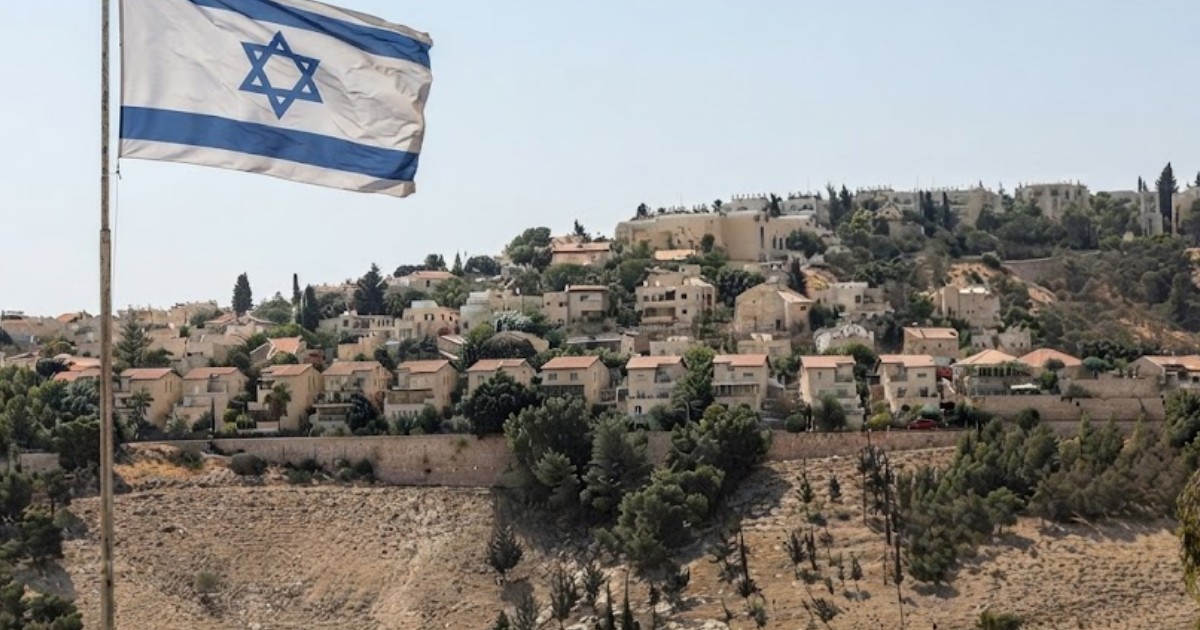
Israeli political discourse has taken a sharp turn as hundreds of settlers, joined by high-ranking government ministers and lawmakers, marched to the Gaza border to demand the return of Israeli settlements. The demonstration, which saw participants calling for the territory to be resettled, underscores a growing momentum within the Israeli political establishment to re-establish a presence in the Gaza Strip. The march has sparked significant controversy and highlighted the deepening divisions within Israeli society over the future of the territory.
Participants at the rally carried banners and chanted slogans declaring that Gaza belongs to Israel, insisting that the time has come for citizens to return to the area. For many of the politicians in attendance, the march represented a culmination of efforts to push back against the historical decision to withdraw settlements from Gaza years ago. These lawmakers argued that establishing a civilian presence in the strip is a matter of national necessity, framing the demand as essential for Israel’s long-term security and territorial integrity.
The participation of sitting ministers in such a demonstration reflects the shift in Israeli politics toward a more nationalist and hardline agenda. As the government grapples with the complexities of the ongoing war, the push for resettlement has moved from the political fringe to the center of policy debate. Proponents of this view claim that maintaining military control is insufficient and that civilian infrastructure must be integrated into the territory. However, this stance faces intense opposition both domestically and internationally.
International organizations and various world leaders have repeatedly warned that any attempt to resettle the Gaza Strip would be viewed as a violation of international law. The United Nations has consistently called for a two-state framework and cautioned against actions that would further entrench the conflict. Critics argue that the move would exacerbate tensions, undermine existing peace efforts, and create an untenable security situation for both Israelis and Palestinians. Domestically, many Israelis fear that a return to Gaza would lead to a perpetual cycle of violence and drain military resources that are already stretched thin.
The Israeli government faces a delicate balancing act as it navigates these internal demands. While the administration has not officially endorsed a return to Gaza, the vocal support from key cabinet members suggests that the resettlement issue will remain a prominent feature of the political landscape. The march near the border served as a powerful signal that the nationalist base of the current coalition is determined to press their agenda regardless of global censure.
As the conflict continues, the debate over Gaza settlements is likely to intensify. The images of ministers and settlers marching together illustrate the complex intersection of ideology, security, and politics that defines the region. Whether the government will eventually align with these demands or attempt to mitigate the pressure remains unclear, but the march has undeniably set the stage for further friction, both within Israel and on the international stage.