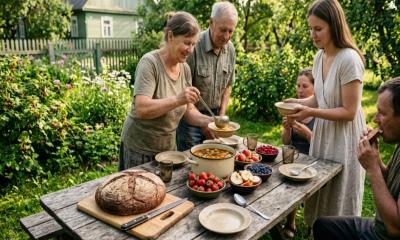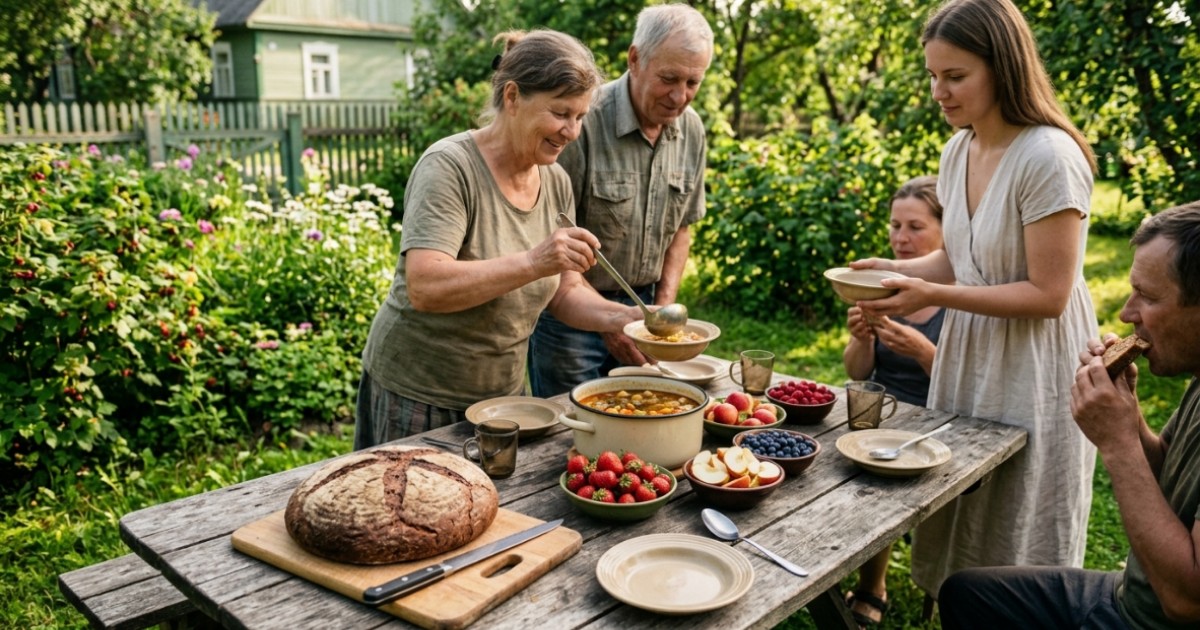
Each summer, home gardens, garages, and even bedroom windows across Estonia transform into temporary cafes welcoming anyone who stops by. According to a feature by BBC News, this beloved tradition gives visitors an intimate glimpse of everyday Estonian life that is usually out of reach. In the outskirts of Kehra, local resident Heiki Kalvik turns his back garden into a bustling pop-up eatery every year. Guests queue to buy homemade seljanka soup, freshly baked rye bread, and local pickles while sitting under the shade of an apple tree. Kalvik notes that his outgoing personality and passion for cooking inspire him to share his outdoor space with curious travelers and neighbors alike, creating a warm communal atmosphere.
More than one hundred and fifty such events take place across Estonia between April and September, a cultural phenomenon that has expanded steadily over the past two decades. While some pop-up cafes feature rented tents and elaborate seating arrangements, others are simple lemonade stands run by children. Elsewhere in Kehra, Karolin Vahtre operates a one-day garage cafe behind a Soviet-era apartment building, selling tempura sushi rolls and chanterelle quiche to hungry visitors. These temporary eateries offer a unique community experience where locals proudly showcase their culinary skills, family recipes, and genuine hospitality to everyone who stops by.
The Estonian home cafe tradition originated on Hiiumaa, the country`s second-largest island, back in two thousand seven when local tourism promoters sought ways to attract visitors beyond the peak summer month of July. Organizers drew inspiration from the island town of Kärdla and its historical association with coffee culture dating back to the mid-nineteenth century. Factory workers employed by a Baltic German baron adopted coffee-drinking habits from Central Europe, eventually earning locals the affectionate nickname of coffee flasks. Fifteen homes participated in the inaugural island event, which has since grown into a massive multi-day festival attracting thousands of tourists from near and far.
Kauri Kiivramees, director of the Hiiumaa Museum, explains that the tradition taps into something much deeper than food and drink. He notes that island residents have a long-standing history of welcoming outsiders, rooted in times when travelers arrived unexpectedly due to shipwrecks and required immediate assistance. This ingrained sense of community and openness remains a cornerstone of the modern cafe days, fostering meaningful connections between locals and visitors from around the world. The enduring success of these events reflects the resilient and hospitable character of the island population.
Finding these pop-up cafes is straightforward for travelers who check local tourism portals and social media event listings ahead of their trip. Unlike conventional restaurants or commercial food festivals, these temporary spaces offer authentic homemade dishes prepared with personal care and local ingredients. As modern tourism becomes increasingly commercialized, Estonia`s home garden cafe culture provides a refreshing reminder of genuine hospitality and community spirit, offering travelers an unforgettable glimpse into authentic Nordic life. Visitors leave not just with full stomachs, but with lasting memories of warm human connections forged across backyard garden fences.