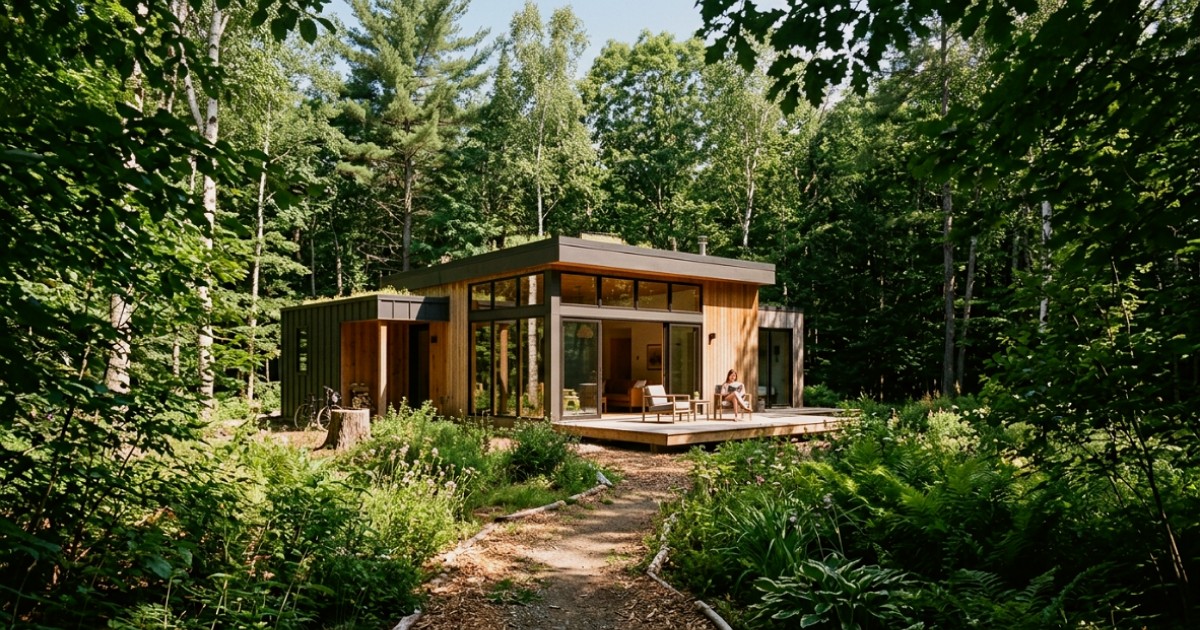
The concept of the ultimate summer home is shifting toward a synthesis of environmental consciousness and architectural innovation. As highlighted in the new book Summer Houses by Izabela Anna Moren, a collection of holiday dwellings across the globe demonstrates how architecture can be shaped by geography rather than imposing itself upon it. From stilt-supported structures in the Costa Rican jungle to repurposed stone cottages on Scottish cliffs, these residences offer a blueprint for sustainable living.
One of the standout examples in the collection is the Sinfonia Verde in Costa Rica. Designed by architect Benjamin Saxe of Studio Saxe, the residence is situated on the Osa Peninsula. The project was conceived as a platform that allows occupants to experience the rainforest from within. The homeowners, both biologists, required a design that facilitated nature observation. The circular configuration provides a 360-degree relationship with the environment, offering unobstructed views of the forest canopy. Because of the sloping terrain, the structure is partially built into the hillside while simultaneously appearing to float above it.
The parabolic roof serves a functional purpose, managing heavy rainfall while operating as an integrated component of the local ecosystem. Saxe explains that in the rainforest, every element is interconnected, and the architecture was designed to function in a similar manner. The home is elevated on stilts, allowing water, air, and wildlife to move naturally beneath the structure. This strategy minimizes disruption to the terrain, ensuring the residence exists in a symbiotic relationship with its location.
In contrast, the Mesaria Canava in Greece represents an approach rooted in the adaptive reuse of historical structures. Once a 200-year-old subterranean wine cellar, the property has been transformed by Kapsimalis Architects into a contemporary summer residence. Located on the island of Santorini, the home overlooks the Aegean Sea. The designers preserved the original vaulted rooms, underground cisterns, and terraces, repurposing these spaces into cool, open-plan living areas. By utilizing simple, bleached walls and respecting the original volume of the building, the architects have successfully bridged historical rural production with modern domestic life.
What unites these diverse projects is the logic, materials, and form derived directly from the landscape. Sustainability in these contexts is not merely an added feature but the foundational premise of the design. Each property demonstrates how architecture can draw from its surroundings to offer an escape from everyday life while minimizing ecological impact. For those interested in the future of residential design, these ten retreats serve as case studies in how humanity can exist in balance with the natural world. These houses are not just vacation spots; they are tangible examples of ecological stewardship and architectural ingenuity.