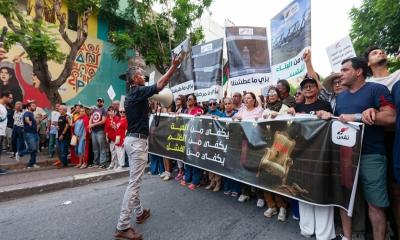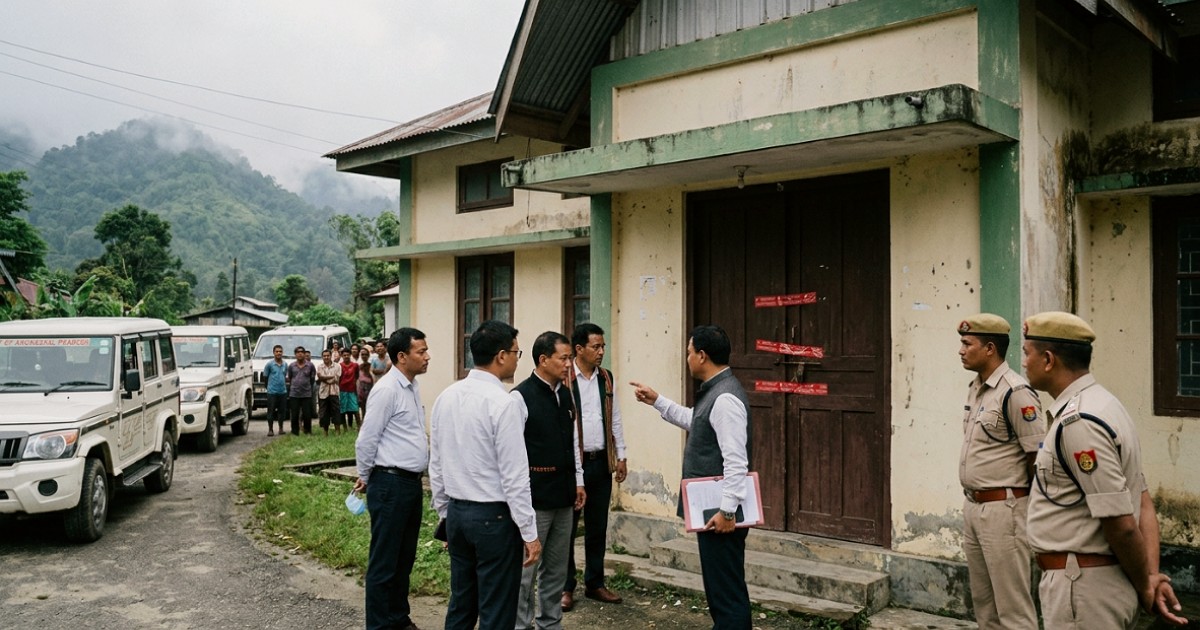
The state government of Arunachal Pradesh in northeastern India has sealed 15 mosques in the capital city of Itanagar, citing unauthorized construction, according to reports by NDTV. The administrative action follows mounting pressure from the Arunachal Pradesh Indigenous Youth Organization (APIYO), which has been campaigning against what they term as illegal encroachments and unapproved religious structures within the capital region. Prior to the government`s intervention, the organization had conducted a 24-hour strike, threatening further demonstrations if their demands regarding these structures were not fully met.
State government spokesperson and Education Minister P D Sona informed the media that the issue was first brought to the government`s attention during a meeting between Chief Minister Pema Khandu and representatives of APIYO in January this year. Following the meeting, the administration ordered district authorities to identify all structures constructed without the necessary permits. A subsequent official survey within the Capital Complex area confirmed the existence of 15 unauthorized religious structures.
Minister Sona explained that the legal procedures for the first 12 identified structures were completed prior to their sealing or evacuation. The remaining three cases were reviewed during a follow-up meeting between the Chief Minister and APIYO leaders on June 1, leading to the decision to take administrative action against those sites as well. Minister Sona stated that the concerns raised by the APIYO that led to their strike have been addressed through lawful administrative measures, expressing hope that such organizations will reconsider their decision to call for strikes on public interest issues in the future.
This incident has triggered widespread discussion in Arunachal Pradesh regarding the challenges of illegal immigration, demographic shifts, and the protection of indigenous communities. State officials have acknowledged that the porous interstate and international borders present a significant security challenge, necessitating constant vigilance and monitoring. The issue was also a focal point during a high-level consultative meeting convened by Chief Minister Pema Khandu last month, where representatives from student unions, indigenous groups, civil society, legal experts, and political parties gathered to address demographic concerns and the regulation of the Inner Line Permit (ILP) system.
During the high-level meeting, Chief Minister Pema Khandu reaffirmed his government’s commitment to addressing anxieties regarding illegal migration and demographic changes while simultaneously protecting the interests of the indigenous communities. The sealing of these mosques is being viewed by local observers as part of a broader government effort to assert administrative control over land use and immigration in the region. As the situation remains tense, state authorities continue to emphasize that all constructions must adhere to existing municipal and state regulations. The government’s move reflects a strategic attempt to balance local indigenous rights with state-wide legal and administrative standards.