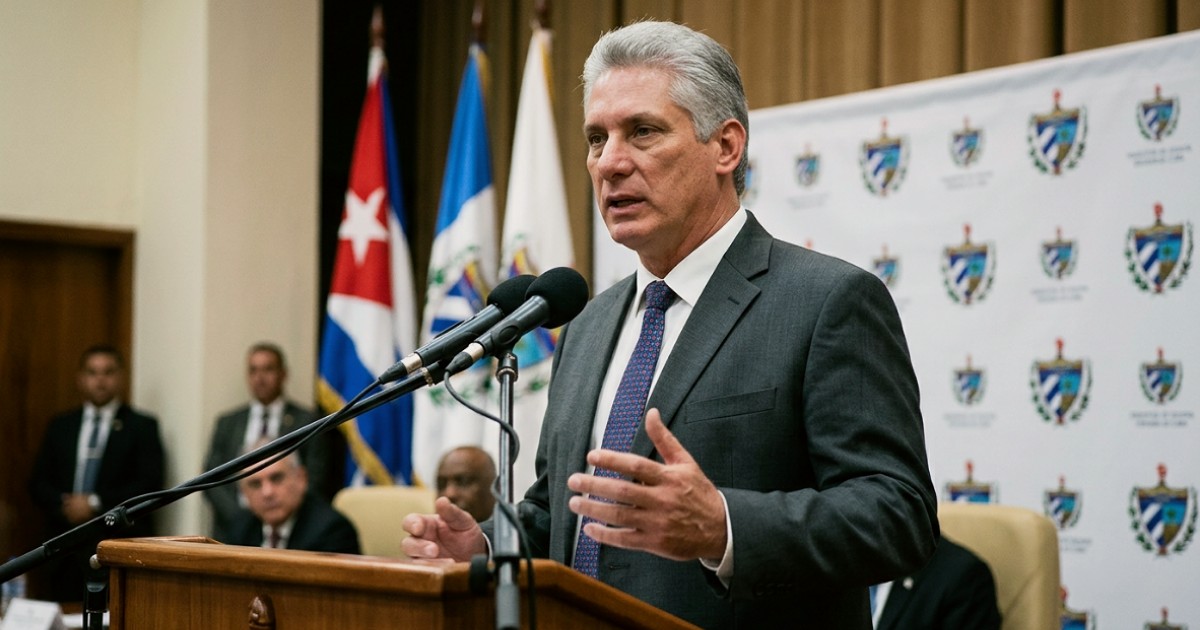
The United States government has announced new sanctions targeting Cuban President Miguel Díaz-Canel, along with several of his close associates and state institutions. The U.S. Treasury Department confirmed the latest restrictive measures, which mark another escalation in the long-standing political tensions between Washington and Havana. The newly sanctioned list includes not only the President but also his wife, Lis Cuesta Peraza, two members of the Castro family, and the Cuban Revolutionary Armed Forces Ministry, among other entities.
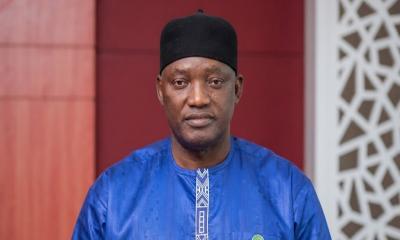
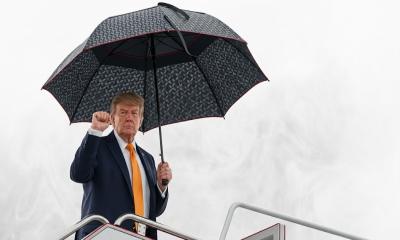
President Miguel Díaz-Canel, aged 66, has served as the leader of the Caribbean nation since 2018. He ascended to power as the successor to Raul Castro, the brother of the late revolutionary leader Fidel Castro. The move is viewed as part of Washington`s sustained campaign to exert maximum pressure on Cuba`s Communist leadership. U.S. President Donald Trump has publicly voiced his administration`s position, asserting that the United States aims to see Cuba transition into what he described as a well-governed nation, though Cuban officials have consistently rejected such rhetoric as foreign interference.
The Cuban government has reacted sharply to the latest round of sanctions. Foreign Minister Bruno Rodriguez took to social media to denounce the move, labeling it as reprehensible and a clear example of U.S. interventionism. He claimed that every effort taken by Washington to exacerbate the divide between the two nations is destined to fail. Havana has remained defiant, suggesting that such economic pressure will not compel the government to alter its political policies or governance structure.
This is not the first time the U.S. has utilized sanctions against Cuban officials. Last month, the U.S. government imposed restrictive measures on 11 high-ranking officials, including the Minister of Information and Communications, several military leaders, and the head of the national intelligence agency. Washington has also pursued legal action regarding a 1996 incident involving the downing of a plane operated by a group fleeing the island, levying homicide charges against Raul Castro. These historical grievances continue to fuel the diplomatic friction between the two countries.
Political analysts suggest that the strategy of applying continuous sanctions is intended to heighten the economic strain on the Cuban leadership. However, there has been no indication from Havana that they are prepared to seek common ground or negotiate under these conditions. On the contrary, the leadership views these sanctions as direct attacks on national sovereignty. As both nations remain entrenched in their respective positions, international observers remain concerned that this cycle of sanctions and confrontation will continue to diminish the prospects for any meaningful diplomatic rapprochement in the near future.