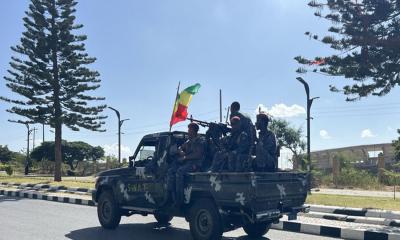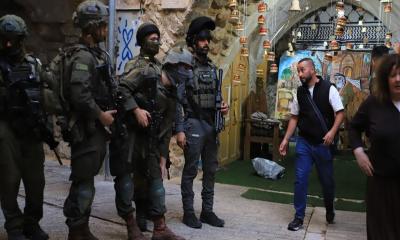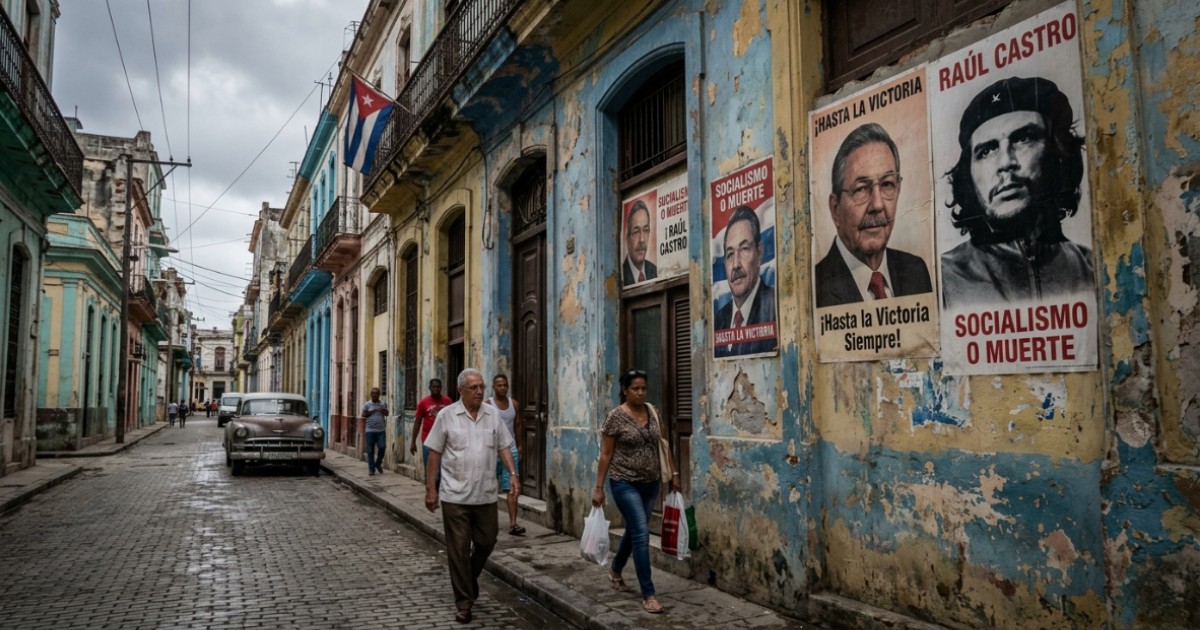
Geopolitical tensions between Washington and Havana have spiked following aggressive rhetoric from US President Donald Trump. After federal prosecutors filed charges against former President Raul Castro and the administration labeled Cuba a "major threat," Havana has begun intensifying its military readiness. The Cuban Civil Defense has released a detailed manual for family safety, rooted in the nation’s long-standing "War of All People" defensive strategy.Cuban citizens and the military are highly trained in irregular warfare.
Post-Soviet defense doctrine in Cuba centers on the "War of All People," a strategy designed to integrate the entire population into a defensive web through guerrilla tactics, local militias, and civil defense networks. Helen Yaffe, a professor at the University of Glasgow, notes that nearly all Cubans have received some form of military training, forming a comprehensive national defense architecture.Charges against Raul Castro are viewed as a tactic to increase pressure.
The recent surge in US surveillance flights near the Cuban coast has heightened the sense of impending conflict. Cuban President Miguel Díaz-Canel has warned that any US military intervention would lead to a "bloodbath." Analysts observe that Cuba’s military, while smaller than regional counterparts, remains significantly more organized and ideologically entrenched than the forces Washington faced in Venezuela.Cuba`s geographical proximity is a major deterrent.
Analyst Carlos Malamud points out that Cuba’s location so close to the US mainland means that any conflict could easily reach American cities. While Sebastian Arcos of Florida International University argues that Cuban military hardware is aging and likely incapable of withstanding sustained US pressure, Havana’s defensive posture remains defiant. Cuba has officially rejected reports suggesting it is stockpiling military drones for attacks on US interests.Trump’s political calculus makes a direct intervention complex.
Any aggressive move against Cuba would likely trigger a massive migration crisis, creating political liability for the Trump administration, especially given his focus on border security. Furthermore, the influential Cuban-American lobby in Washington adds another layer of political friction. With the defiant slogan "Aquí no se rinde nadie"—meaning "Nobody surrenders here"—Havana signals that it is preparing for a prolonged struggle.