Cuba’s lingering economic struggles have taken a catastrophic turn as the country has completely run out of diesel and fuel oil, according to Energy Minister Vicente de la O Levy. In a sobering interview with state-run media, de la O Levy described the national energy infrastructure as being in a "critical" state. While there are still limited amounts of domestic gas available from local wells, the near-total evaporation of liquid fuel imports has effectively paralyzed the Caribbean nation`s ability to generate electricity, triggering widespread domestic unrest.
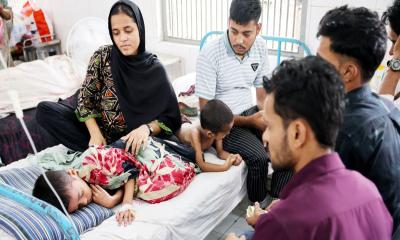
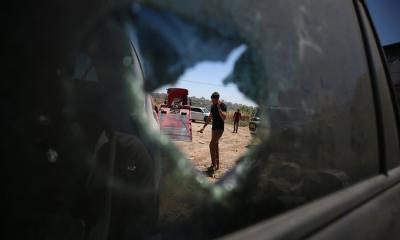
The immediate fallout of this fuel exhaustion has been devastating for daily life. Major sectors of the capital city, Havana, are now plunged into darkness for up to 20 to 22 hours a day. These rolling, near-permanent blackouts have grounded essential services to a halt; hospitals are struggling to maintain routine operations, while schools and government offices have been ordered to shut down indefinitely. Tourism, which serves as the primary economic engine for the island, has also suffered a massive blow as infrastructure fails to support international travelers. Frustrations boiled over on Wednesday as scattered protests erupted across Havana.
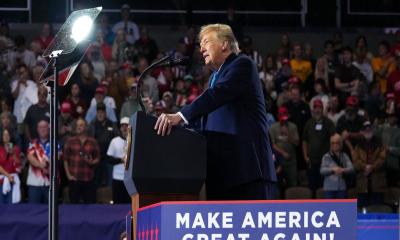
Here is the thing that accelerated this collapse: Cuba’s traditional lifelines have been severed. Historically, Havana relied heavily on subsidized crude and fuel oil shipments from ideological allies like Venezuela and Mexico. However, both nations have drastically choked off their supplies in recent weeks. This shift comes after US President Donald Trump threatened to impose aggressive trade tariffs on any country sending fuel to the island. By targeting Cuba`s supply chain, the Trump administration has effectively orchestrated an airtight energy blockade, severely squeezing the communist government.
Amidst the growing humanitarian disaster, Washington has reiterated an offer of $100 million (£74 million) in aid. However, the assistance comes with a massive political catch: the United States is demanding "meaningful reforms to Cuba`s communist system" in exchange for the relief. According to the US State Department, the proposed aid would bypass the Cuban government entirely, being distributed instead through the Catholic Church and other "reliable" non-governmental humanitarian organizations. Washington maintains that the ball is now in Havana`s court to either accept the terms or answer to its own citizens for blocking life-saving aid.
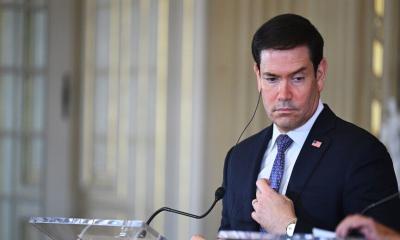
The aid offer has quickly turned into a geopolitical shouting match. US Secretary of State Marco Rubio publicly claimed that the Cuban regime had officially rejected the $100 million humanitarian package—a claim that Cuban authorities have fiercely denied, calling it American misinformation. Meanwhile, Washington`s broader pressure campaign escalated earlier this month when it slapped a new wave of sanctions on senior Cuban officials over alleged human rights abuses. Cuban Foreign Minister Bruno Rodriguez fired back, characterizing the latest sanctions as both "illegal and abusive."
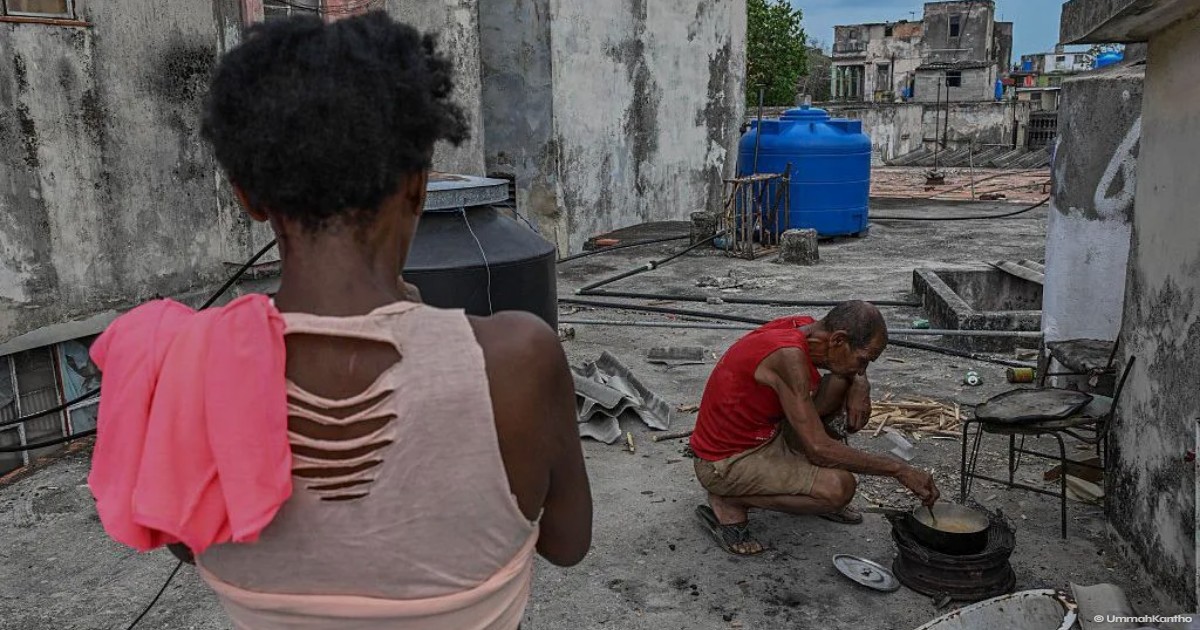
What this really means for ordinary Cubans is a harsh regression in living standards, with many citizens reduced to cooking on open fire pits with firewood on the streets of Havana. As the diplomatic standoff between Washington and Havana intensifies, the structural paralysis of Cuba`s electrical grid offers no short-term solution. For an island nation caught in the crosshairs of a relentless US blockade and the loss of regional oil backers, the coming months promise to test the absolute limits of the population`s endurance.