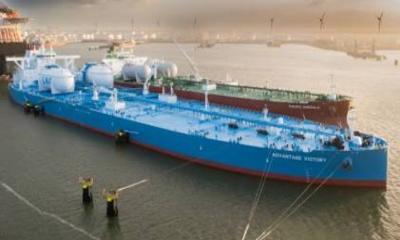
Air travelers in Europe should prepare for a significant hit to their wallets as the International Air Transport Association (IATA) warns that higher ticket prices are now inevitable. Willie Walsh, the head of IATA, stated that the soaring cost of jet fuel, exacerbated by the ongoing conflict in Iran, has reached a point where airlines can no longer absorb the additional expenses. This economic ripple effect is primarily driven by the closure of the Strait of Hormuz, a critical maritime artery for global energy supplies that the UK and Europe depend on heavily for jet fuel imports.
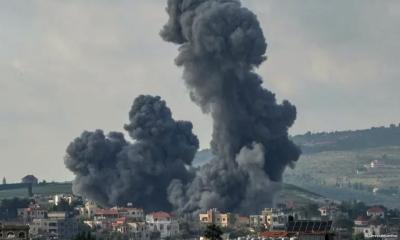
The conflict in the Middle East has sent shockwaves through the global oil market, leading to dramatic spikes in fuel prices and widespread concern over supply stability. While some European carriers have recently offered discounted fares to stimulate flagging demand, Walsh insists that this trend is unsustainable in the long run. Here is the thing: airlines operate on thin margins, and when their single largest operating cost—fuel—skyrockets, those costs eventually get passed down to the consumer. What this really means for the average traveler is that the era of bargain-basement fares may be coming to an end, at least for the foreseeable future.
Specific concerns have been raised regarding the United Kingdom’s aviation sector as it approaches the peak summer travel season. Traditionally, the demand for flights and fuel increases by approximately 25 percent in July and August compared to the spring months. Walsh pointed out that if alternative supplies are not secured quickly to replace the lost imports from the Hormuz region, the UK could face genuine fuel shortages during its busiest time of the year. However, he emphasized that there is no need for immediate panic, as widespread flight cancellations are not yet on the horizon.
In response to the crisis, the European Union has begun implementing contingency measures. One significant move was the recent announcement that European airlines are now permitted to use US-grade jet fuel, a practice previously restricted due to regulatory hurdles. EU Energy Commissioner Dan Jorgensen remarked that while a catastrophic shortage is unlikely in the short term, the long-term outlook remains uncertain. This sentiment was echoed by travel giant TUI, whose CEO, Sebastian Ebel, stated that while they don’t expect immediate disruptions, the industry must remain vigilant as the conflict persists.
The UK government has taken a more optimistic stance, with a spokesperson claiming that domestic airlines are currently well-stocked and have seen no evidence of an immediate fuel crisis. Officials are reportedly working closely with the aviation industry to plan realistic flight schedules and avoid the kind of last-minute disruptions that have plagued holidaymakers in recent years. Despite these reassurances, the underlying reality remains that the global energy infrastructure is under immense strain. Even if the Strait of Hormuz were to reopen tomorrow, the damage to refining facilities and the disruption of crude oil flows mean that prices are unlikely to normalize anytime soon.
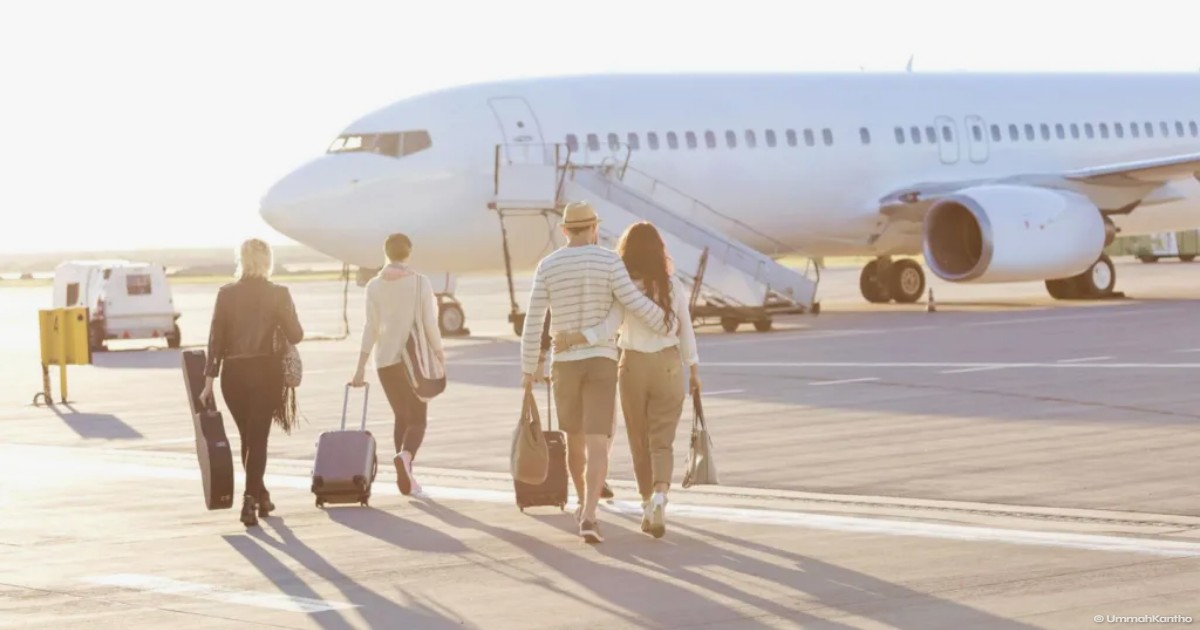
Looking ahead, the impact of the Iran war is expected to be felt well into 2027. The disruption has not only hiked prices but has also forced a massive redirection of global logistics. As airlines scramble to find fuel from more distant and expensive sources, the cost of flying will reflect this new reality. For many families planning their summer vacations or business professionals looking to cross the Atlantic, the "inevitable" price hikes discussed by Walsh are a stark reminder of how geopolitical instability can directly impact everyday life. The message from the industry is clear: the cost of global mobility is going up, and the world must adapt to a more expensive sky.