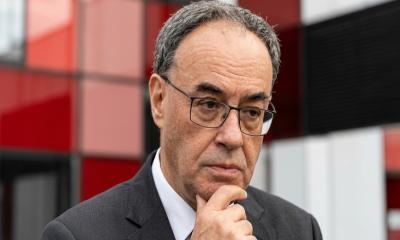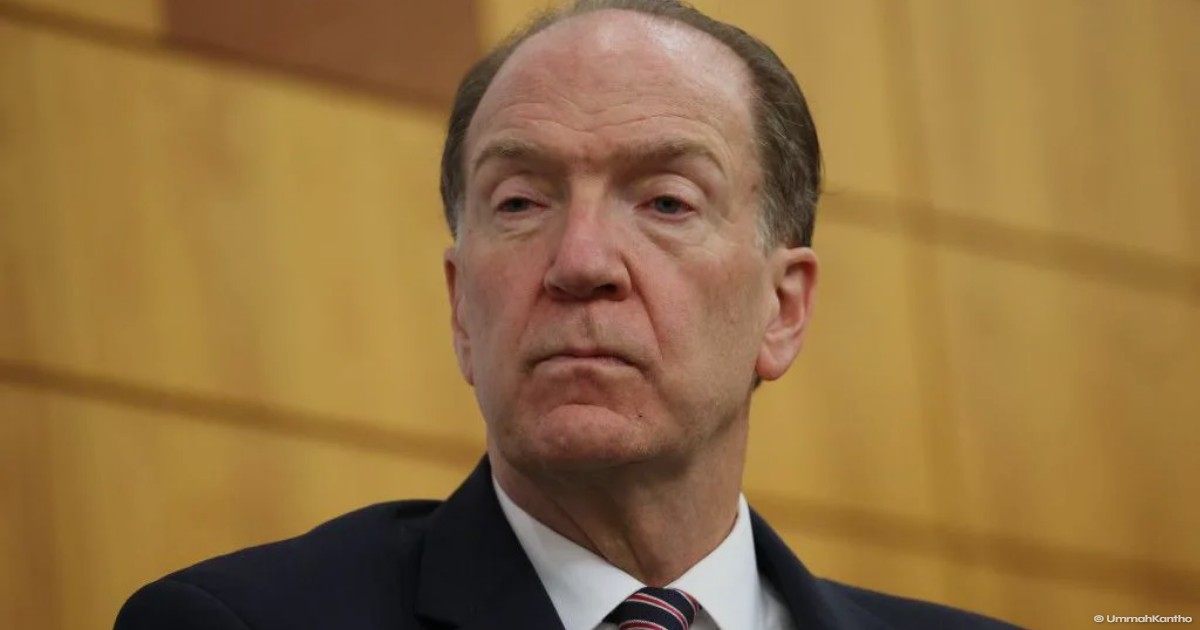
Former World Bank President David Malpass has issued a stern call to China, urging the economic superpower to stop hoarding food and fertilizer. Speaking to the BBC’s World Business Report, Malpass emphasized that such a move is essential to alleviate the global supply crisis exacerbated by the ongoing Iran war. These remarks come on the eve of a high-stakes summit in Beijing between U.S. President Donald Trump and Chinese President Xi Jinping, where regional security and economic stability are expected to dominate the agenda.
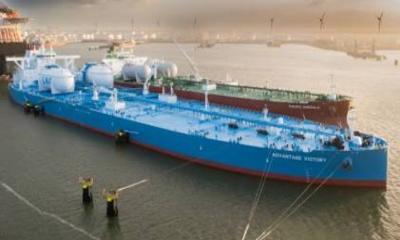
Malpass, who led the World Bank from 2019 to 2023 and previously served in the Trump administration, noted that China currently holds the world`s largest stockpiles of essential foodstuffs and fertilizers. "They can stop building their stockpiles," he told the BBC, pointing out that countries across the globe are struggling to secure fertilizer for the crucial spring planting season. The situation has been worsened by the closure of the Strait of Hormuz, which has severely disrupted international shipping lanes. Since March 2026, China has halted exports of various fertilizers, citing domestic supply protection, a trend that began with restrictions as early as 2021.
The impact of China`s export freeze is profound. In 2025, China accounted for approximately 25% of the global fertilizer output, with exports exceeding $13 billion. Malpass argued that China’s continued insistence on being labeled a "developing nation" within international organizations like the WTO and the World Bank is no longer credible. "They present themselves as a developing country when they`re the second-biggest economy in the world and in many ways rich," Malpass stated, calling on Beijing to suspend this pretense and take on more global responsibility.
In response, Liu Pengyu, a spokesperson for the Chinese embassy in Washington D.C., told the BBC that China remains committed to maintaining global market stability. He denied that Beijing was the cause of the current disruptions, stating that the "root causes" of the supply chain issues are clear and should not be blamed on China. Liu also defended China`s status, calling it the "largest developing country" in the world and asserting that upholding this designation is a "legitimate right."
The conversation also touched upon the fragile Iran ceasefire, which President Trump recently described as being on "massive life support." Malpass expressed hope that China would assist in resolving the deadlock in the Strait of Hormuz. He argued that open waterways are in China`s direct economic interest, given their dominance in shipping lines and container ownership. "They would be a big loser if Iran in some way had control of the Strait of Hormuz," Malpass noted, emphasizing that the free movement of goods is vital for China`s trade-heavy economy.
Addressing the economic outlook for American citizens ahead of the April inflation data release, Malpass predicted that prices for many products would continue to rise. However, he remained optimistic about the resilience of the U.S. economy, citing "robust" employment data as a positive indicator. As the Trump-Xi summit begins, Malpass`s comments underscore the growing international pressure on Beijing to act as a stabilizing force in a world increasingly rattled by war and supply shortages.