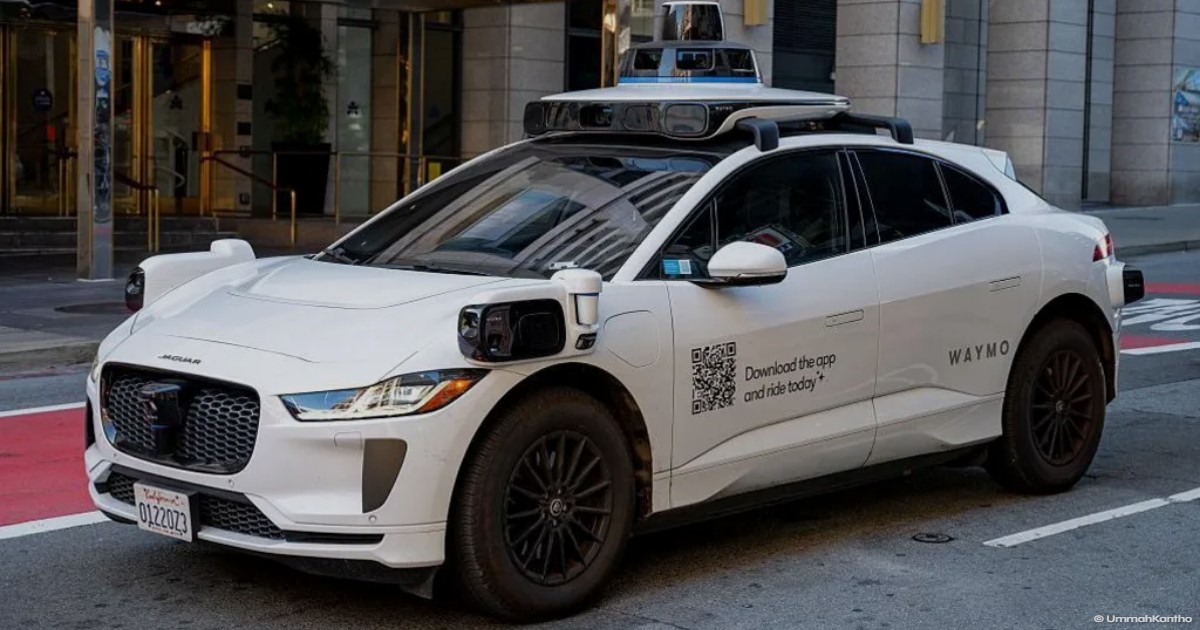
Autonomous vehicle pioneer Waymo is voluntarily recalling nearly 3,800 of its self-driving cars in the United States following a critical software glitch that could allow the vehicles to navigate onto heavily flooded roads. According to a regulatory filing posted on the National Highway Traffic Safety Administration (NHTSA) website on Tuesday, the voluntary recall impacts thousands of robotaxis equipped with the company`s fifth and sixth-generation automated driving systems. This represents one of the most significant software-related fleet rollbacks for the Alphabet-owned company to date.
The mass recall was triggered by a dramatic incident on April 20 in San Antonio, Texas. An empty Waymo vehicle driving autonomously mistakenly entered a severely flooded roadway and was subsequently swept away into a nearby creek. While no passengers were on board and no injuries were reported, the accident exposed a significant blind spot in the artificial intelligence`s driving logic. In response, Waymo has temporarily suspended its commercial ride-hailing services in San Antonio, promising a swift return only after a comprehensive software patch has been deployed across its entire fleet.
Here is the thing that makes this recall a massive headache for Alphabet: it directly disrupts their aggressive global expansion plans. Waymo currently operates at a massive scale, facilitating over 500,000 trips per week across major US hubs including San Francisco, Austin, and Miami. Furthermore, the firm has been actively prepping to launch its highly anticipated robotaxi services in London by September 2026. This sudden recall injects a heavy dose of regulatory skepticism into their European ambitions, giving foreign policymakers plenty of reasons to think twice before greenlighting driverless fleets.
Academics and industry watchdogs note that autonomous driving systems are inherently limited by edge cases—unusual scenarios that developers fail to fully anticipate. Jack Stilgoe, a professor of science and technology policy at University College London, told the BBC that these operational thresholds typically only become clear after a system failure occurs. What this really means is that as the deployment of autonomous vehicles accelerates, more bizarre engineering oversights are bound to surface. Stilgoe stressed that international regulators would much prefer to understand these hardware and software limitations proactively rather than relying on hindsight following a public safety scare.
Waymo’s latest setback is part of a broader pattern of technological failures plaguing the driverless car sector over the past year. In December 2025, a massive grid power outage in San Francisco caused dozens of Waymo taxis to completely freeze across the city, paralyzing local traffic. More recently, in April 2026, a widespread system outage affecting Baidu`s Apollo Go robotaxis in Wuhan, China, resulted in over a hundred driverless cars completely shutting down mid-traffic, blocking major intersections. For now, Waymo says safety remains its primary priority, and the company is implementing temporary geo-fencing mitigations to block its vehicles from entering known flash-flood zones while engineers finalize the permanent code fix.