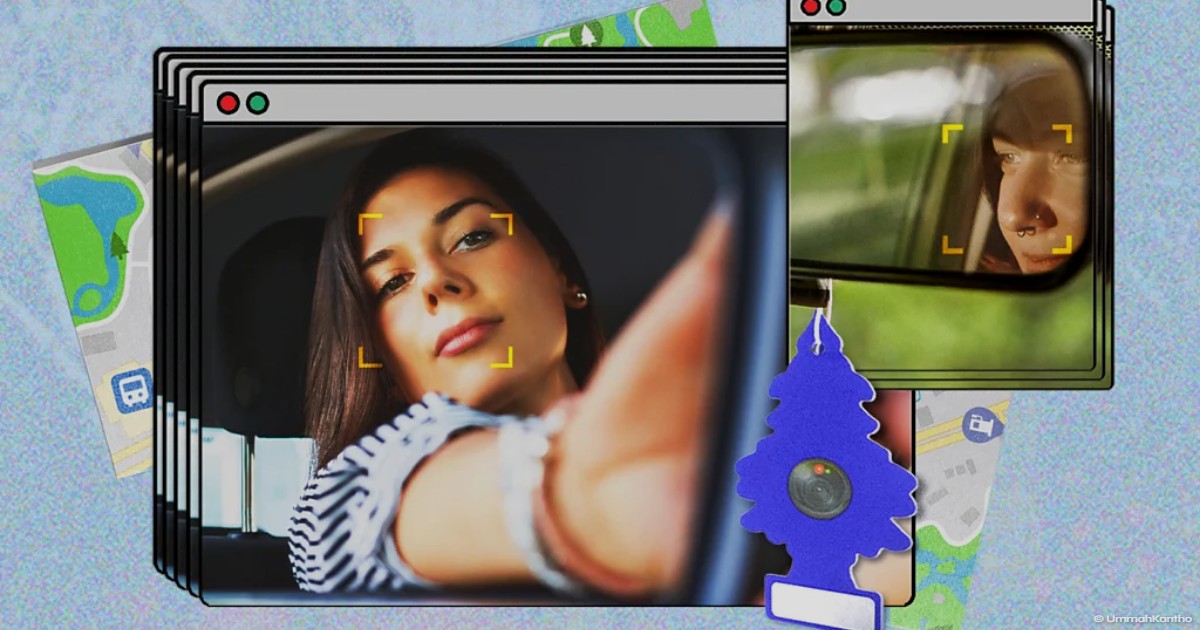
Cars used to be the ultimate symbol of independence and privacy, a sanctuary where you could escape the watchful eyes of the world. However, that era is officially over. Modern vehicles are essentially supercomputers on wheels, and giant automotive corporations are transforming them into highly invasive surveillance hubs. If you think your time behind the wheel is solitary, think again. Your car is likely tracking your precise location, monitoring who sits next to you, evaluating your driving habits, and potentially harvesting sensitive details like your age, weight, and facial expressions.
The scope of this corporate snooping was laid bare in a comprehensive analysis by the Mozilla Foundation, which reviewed the privacy policies of 25 major car brands. The results were alarming: every single brand failed to meet basic privacy and security standards. Mozilla explicitly designated cars as the "worst product category we have ever reviewed for privacy." The report highlighted that automakers routinely grant themselves the right to collect deeply intimate data—including psychological trends and physical traits—and transmit it via built-in internet connections without the driver`s explicit awareness.
Here is the thing that makes this data harvest truly dangerous: it is directly impacting consumers` wallets. Automakers are not just collecting this data for internal diagnostics; many are selling it to third-party data brokers like LexisNexis. These brokers compile massive dossiers on individual driving behaviors, which are then purchased by insurance companies to justify raising premium costs. In one high-profile case exposed by the New York Times, a General Motors (GM) driver discovered a 130-page log detailing every single trip he and his wife made over a six-month period. Shortly after this data transfer, his insurance costs jumped by 21 percent.
While the US Federal Trade Commission (FTC) has stepped in to bar GM from selling vehicle data for the next five years, the broader industry remains largely unregulated. Data brokers continue to source information from other manufacturers and popular driving apps. According to data from the consulting firm McKinsey, 50 percent of cars on the road in 2021 featured internet connectivity, a figure projected to climb to an overwhelming 95 percent by 2030. What this really means is that nearly every vehicle on the road will soon be a data-harvesting node.
The privacy landscape is set to become even more complicated due to upcoming US federal mandates. New safety laws will soon require automakers to install interior infrared biometric cameras and eye-tracking sensors to detect whether a driver is fatigued or under the influence of alcohol. While designed to save lives, these features will simultaneously unlock a massive new trove of biometric and health data. Currently, there are virtually no legal boundaries preventing car companies from exploiting or monetizing this highly sensitive information once it is captured.
Automakers frequently defend these connected features by pointing out the convenience of real-time navigation, over-the-air updates, and advanced safety alerts. While those benefits are tangible, they come at the cost of total digital exposure. This synthesized data can be used not just for targeted marketing, but potentially for employment decisions or warrantless surveillance by law enforcement. As our vehicles evolve into data empires, understanding what happens under the hood has become a critical battleground for personal privacy.