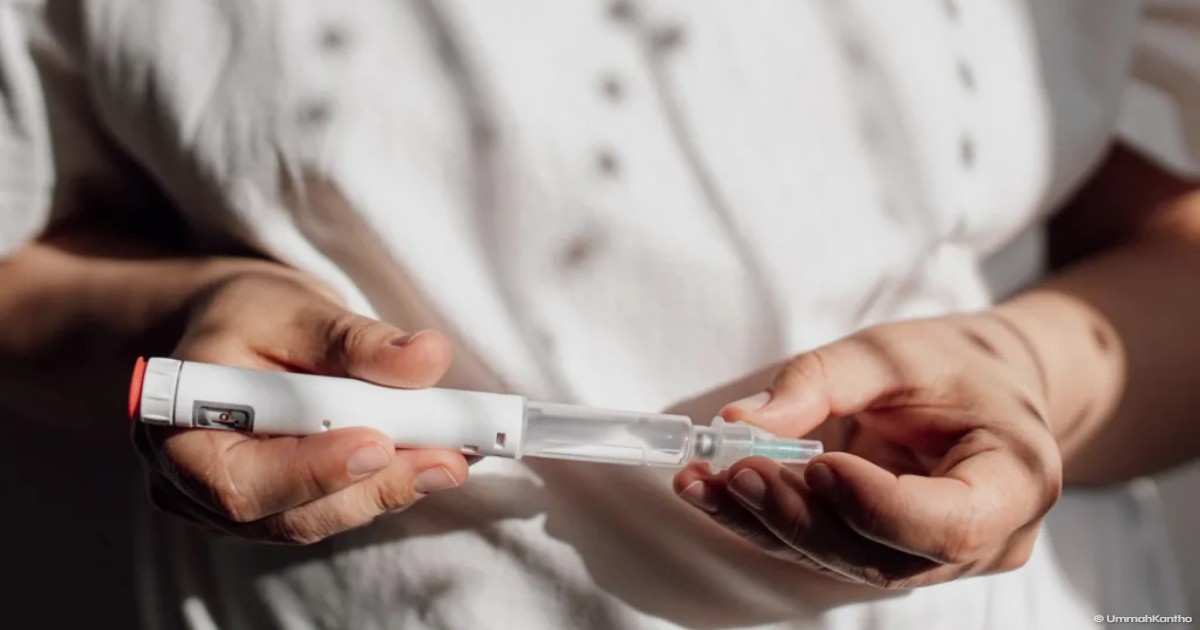
The global surge in the use of weight-loss "jabs" has reached a fever pitch, with an estimated 1.6 million people in the UK alone currently utilizing these medications. The most prominent names in this pharmaceutical revolution are Mounjaro and Wegovy. While these drugs offer life-changing results for many, 2026 has brought new insights and warnings regarding their long-term use, specifically the biological "rebound" effect that occurs once the treatment is discontinued.
The Mechanism: Appetite and Metabolism
At their core, these medications are designed to mimic human biology. They function by imitating a hormone called GLP-1 (Glucagon-like peptide-1), which is naturally released by the gut after eating to signal the brain that the body is satisfied.
- Wegovy (Semaglutide): Functions primarily as an appetite suppressant, making users feel fuller for longer periods, thereby reducing caloric intake.
- Mounjaro (Tirzepatide): Goes a step further by mimicking a second hormone (GIP). This dual action not only suppresses appetite but also impacts metabolism, helping the body regulate its energy balance more efficiently.
Administered as a weekly self-injection into the thigh, abdomen, or upper arm, patients typically start with a low dose to minimize side effects, gradually increasing to a maintenance dose over several months.
Comparing Efficacy: Mounjaro vs. Wegovy
In the first major head-to-head trial involving 750 participants with an average weight of 113kg, researchers discovered that Mounjaro holds a significant edge in efficacy. After 72 weeks of treatment:
- Mounjaro users achieved an average weight reduction of 20%.
- Wegovy users saw an average reduction of 14%.
Despite these impressive numbers, medical experts emphasize that these are not standalone cures. They are designed to be prescribed alongside structured, healthier eating plans and consistent exercise programs.
The Challenge of Weight Regain
A significant concern highlighted by the British Medical Journal (BMJ) in January 2026 is the speed of weight regain after stopping the injections. The research indicates that when the drugs are withdrawn, food cravings return almost immediately. Strikingly, patients who stopped the injections regained lost weight four times faster than those who concluded traditional diet and exercise programs.
However, a promising update arrived in May 2026 via the journal Nature Medicine. A study found that a daily pill called orforglipron could help patients maintain their weight loss after stopping the injections. While already available in the United States, this pill is expected to launch in the UK soon, potentially offering a long-term solution to the rebound problem.
NHS Access and Eligibility
In the UK, the NHS maintains strict guidelines for these prescriptions. Wegovy is currently available for adults with a Body Mass Index (BMI) of at least 35 who also suffer from at least one weight-related health condition, such as high blood pressure or type 2 diabetes. The goal is to treat obesity as a chronic health risk rather than a cosmetic concern. As we move through 2026, the medical community remains cautiously optimistic, stressing that while the science is groundbreaking, a patient`s commitment to lifestyle changes remains the bedrock of lasting health.
Given that these drugs might need to be taken long-term to maintain results, do you think our healthcare systems are prepared for the lifelong cost of obesity management?