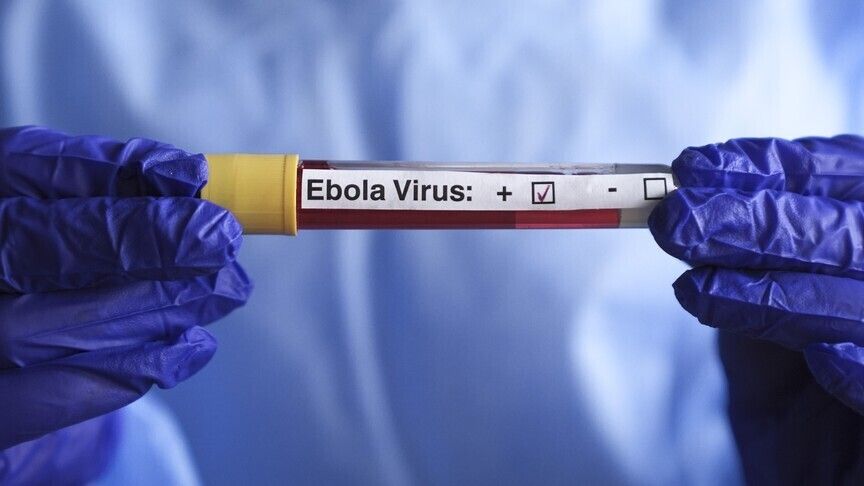
Two experimental Ebola vaccines will begin phase two clinical trials in the Democratic Republic of Congo next week, the World Health Organization said.
Speaking at a news conference in Geneva on Thursday, Dr Meg Doherty stated that the candidates received the necessary authorisations to advance within the Tumani randomised controlled trial.
The first candidate, designated as ChAdOx1, was jointly developed by Oxford University and the Serum Institute of India. The second vaccine comes from the pharmaceutical company Moderna.
"Both of them last week were provided approval to move into phase two," Doherty told reporters. Testing begins on November 26 or 27 in the city of Bunia.
The upcoming phase will assess vaccine safety and immunogenicity, which is the ability to trigger an immune response. Candidates that meet the required criteria will then advance to phase three, where researchers evaluate effectiveness against a comparator.
The Tumani trial was launched on October 23 and is structured to accommodate other vaccine candidates as they become available. More than 140 participants have already enrolled.
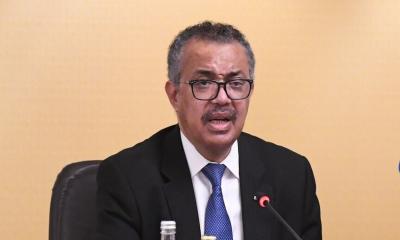
Organisers expect thousands of people to take part as testing expands to new sites with mobile teams. WHO Director-General Tedros Adhanom Ghebreyesus spoke about the ongoing progress in vaccine development.
"We expect two candidate vaccines developed specifically for Bundibugyo virus to begin testing as early as next week," Tedros said. He gave updated figures for the epidemic, stating that the outbreak has surpassed 11,300 total cases and 5,500 deaths.
Between 400 and 500 new infections are reported every week. Tedros warned that ongoing insecurity, attacks on health workers, and delays in identifying infections are hurting efforts to contain the epidemic.
"Such attacks also discourage people from seeking care in an Ebola treatment center," he explained during the briefing.