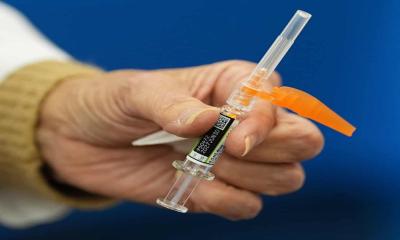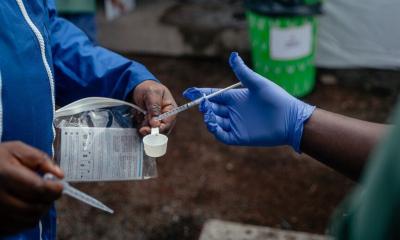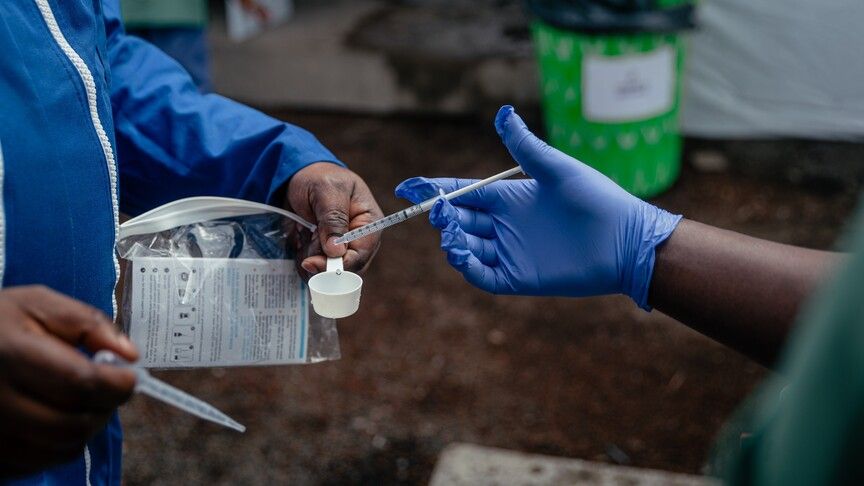
The first participants received injections in Bunia, the provincial capital of Ituri, according to the World Health Organisation Africa regional office. The clinical evaluation is known as Tumaini, a Swahili word for hope.
The trial will assess candidate vaccines against Ebola strains caused by the Bundibugyo virus. Recipients will include individuals who have been in contact with confirmed cases.
No approved vaccine currently exists for the Bundibugyo strain. Health officials first declared the outbreak of this specific strain in Congo in May.
The WHO described the launch as a major step in the fight against the disease, noting that the virus is spreading rapidly across geographic boundaries.
WHO Director-General Tedros Adhanom Ghebreyesus said on social media that the trial will help authorities understand if the designed vaccine candidates actually work. He added that the evaluation follows strict scientific rigor, transparency, ethical principles, informed consent, and community engagement.
The Coalition for Epidemic Preparedness Innovations is coordinating the trial. The Congolese Health Ministry, the WHO, and other partners are providing support.
Separately, Congo received 70,000 Ervebo vaccines in August from the global Ebola virus disease vaccine stockpile. That vaccine is approved for use against the Zaire Ebola virus.
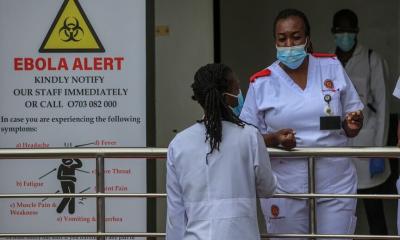
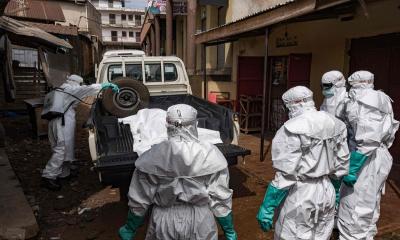
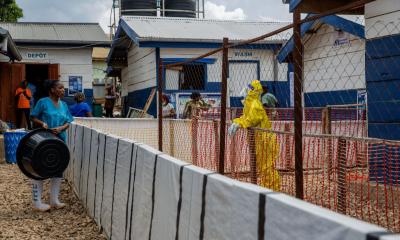
Confirmed Ebola cases in Congo have surpassed 9,700 since the outbreak began. The Africa Centres for Disease Control and Prevention reported that the death toll has exceeded 4,690.
The epidemic has impacted eight provinces across the country, including Haut-Uele, Ituri, North Kivu, South Kivu, Bas-Uele, Tshopo, South-Ubangi, and North Ubangi.
Health officials stated that the regional spread of the disease is complicating containment efforts. Kenya has reported nine confirmed cases and two deaths, while Nigeria confirmed its first case, which is believed to be imported from Congo.